Choose wireless headphones that let you follow speech at a low volume without letting the guide disturb people nearby. Active noise cancellation can help if intermittent noise makes narration hard to follow, but fit, accessible controls and a considerate playback level matter even in a quiet space. For a longer guide, consider comfort and battery life; pause playback when you need to hear an important announcement or speak with staff.
Who needs which features?
Listeners in quiet study areas
If you are following a spoken guide near other readers, clear speech at a low volume and minimal sound escaping from the headphones take priority. Birmingham City University Library requires headphones for audio-visual playback, while University of Nottingham Libraries asks users in silent-study spaces to keep audio levels low.
Listeners distracted by nearby noise
If conversation or movement makes narration difficult to follow, a comfortable fit and active noise cancellation (ANC) may help you avoid turning the guide up. The World Health Organization recommends well-fitting noise-cancelling headphones as one way to reduce the need for higher volume in noisy surroundings.
Listeners following a longer guide
If the guide runs across several stops, consider how the headphones feel over time, how long they can run between charges and how readily you can pause to speak with staff. Published battery figures cannot tell you whether a particular fit will remain comfortable.
What matters when choosing?
For a spoken guide in a quiet library, start with intelligible speech at a considerate level. Then decide whether interruptions, extended wear or quick awareness of your surroundings most affects your choice.
| Concern |
What to check |
Who this matters to |
| Clear speech without disturbing others |
Try spoken audio at a low level, check that volume is easy to adjust and, where possible, ask someone nearby whether they can hear it. |
I want to follow the narration without making it audible to people studying beside me. Around 36% of consumers put considerate, low-volume listening first. |
| Intermittent distractions |
Check for ANC and a separate way to pause or admit surrounding sound; do not assume every wireless model offers both. |
Nearby conversation breaks my concentration, but I do not want to compensate by raising the guide volume; roughly 29% of consumers make distraction reduction their main concern. |
| Comfort and battery life |
Try the fit for a realistic session and compare the stated battery life under the conditions relevant to you. |
For a guide lasting several stops, I need headphones I can keep wearing without a charging interruption. Comfort and endurance come first for about 21% of consumers. |
| Hearing staff and announcements |
Check how quickly you can pause playback or activate an ambient, aware or transparency mode. |
I may need to respond to staff without fumbling with my phone; quick access to surrounding sound is the primary need for around 14% of consumers. |
Mistakes to avoid
-
Turning the volume up because ANC is on
Noise cancellation may reduce distractions, but it does not make loud playback considerate or remove listening risks. The World Health Organization advises keeping device volume to no more than 60% of maximum.
Start at a low level, increase it only enough to follow the speech and pause when someone needs your attention.
-
Choosing by the battery figure alone
A stated runtime does not establish how the headphones will fit you or whether they will connect to the device playing the guide. Battery figures also depend on the conditions in which they are quoted.
Check the exact model's charging method and supplied accessories, and try the fit or review the retailer's return terms if you cannot try it before buying.
-
Relying on ambient mode for every announcement
Ambient and transparency modes admit surrounding sound, but an important instruction can still be missed while narration is playing.
Pause the guide or remove the headphones for staff instructions, alarms and conversations.
-
Assuming every library has the same rules
Expectations vary by venue and study area. Birmingham City University Library requires headphones for audio-visual playback; University of Nottingham Libraries also asks users of silent-study spaces to keep audio levels low.
Check the library's current policy, silence your phone and test whether the guide is audible to anyone nearby.
Brands to consider for relevant features
Sony
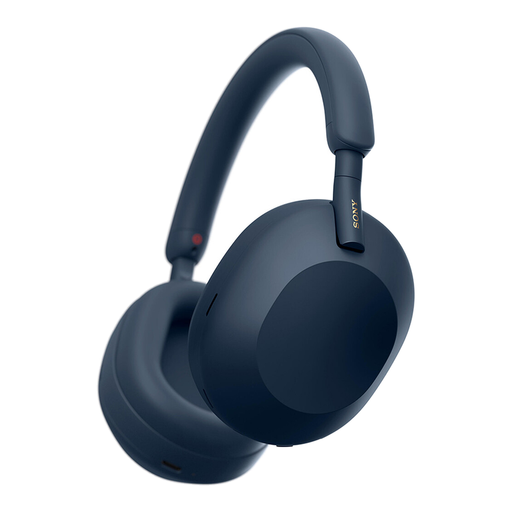
Sony's WH-1000XM5 is an over-ear wireless option for listeners considering ANC, an ambient-sound setting and switching between devices.
- Sony UK lists multipoint connection and up to 30 hours of battery life for the WH-1000XM5. Sony distinguishes noise cancelling from Ambient Sound Mode, which admits surrounding sound.
- Those features do not establish personal comfort, speech clarity or how much sound others will hear at your chosen volume.
Bose
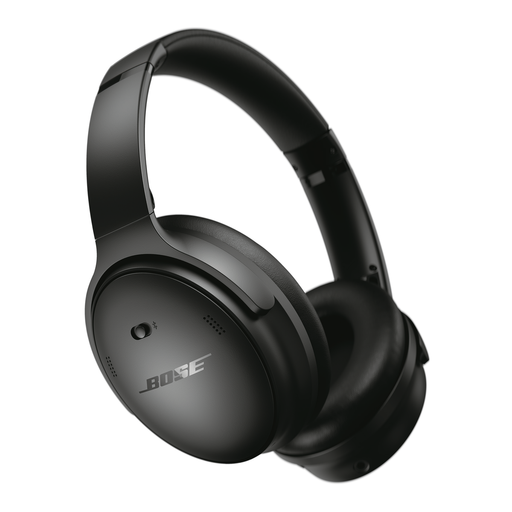
Bose QuietComfort Headphones are worth considering if you want distinct quiet and awareness settings, with a cable available for a compatible wired connection.
- Bose UK describes Quiet, Aware and custom modes, up to 24 hours of battery life and an included audio cable for this model.
- Check the guide device's connection and the headphones' fit; the presence of a cable does not by itself establish plug compatibility.
Sennheiser
Sennheiser ACCENTUM Wireless is another over-ear option to examine if ANC and a separate awareness setting matter to you.
- Sennheiser UK lists hybrid ANC, Transparency Mode and up to 50 hours of battery life for ACCENTUM Wireless.
- The stated features do not determine whether the headphones will fit comfortably or keep your guide inaudible to nearby readers.
Joybuy products for this use
These wireless over-ear headphones and in-ear earbuds offer different ways to carry and wear an audio guide. Check the controls, fit and sound escaping at your intended low volume before deciding which design suits your library visit.
 No image available
Sony WH1000XM5 wireless over-ear headphones, blue
Consider this over-ear model if intermittent noise makes a spoken guide harder to follow. Sony UK lists noise cancelling, multipoint connection and up to 30 hours of battery life for the WH-1000XM5. Check the fit and whether sound escapes at your preferred low volume.
Joybuy
 No image available
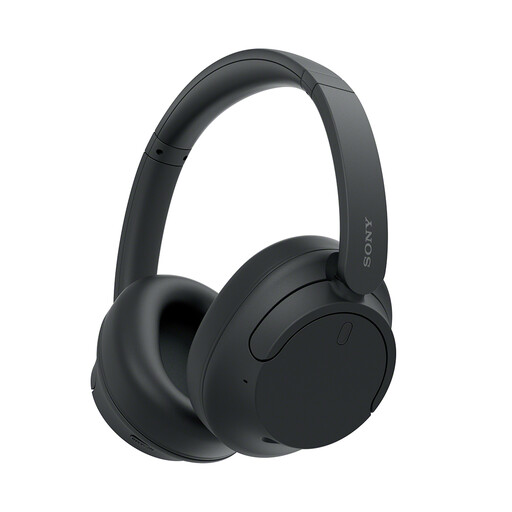
Sony WH-CH720N noise-cancelling over-ear headphones, black
This wireless over-ear design is an option to consider when background noise interrupts narration. Check how its volume and pause controls work for you, then assess comfort and sound escaping at a low playback level.
Joybuy
 No image available
Bose QuietComfort wireless headphones, black
Consider this model if you want to switch between noise cancellation and hearing your surroundings. Bose UK describes Quiet and Aware modes, up to 24 hours of battery life and an included audio cable for QuietComfort Headphones. Confirm the cable suits your guide device, and check fit and sound escaping at low volume.
Joybuy
 No image available
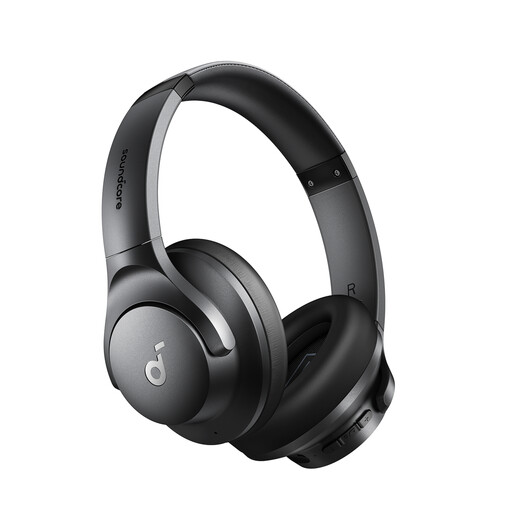
soundcore Q21i wireless over-ear headphones, black
This noise-cancelling over-ear model is a choice to assess if nearby sounds interrupt the guide. Before buying, check whether you can adjust volume and pause promptly, and whether the fit lets you listen without disturbing others.
Joybuy
 No image available
EDIFIER Neobuds Pro 3 wireless earbuds
Consider the in-ear design if compactness matters more to you than an over-ear fit. Its product name specifies Bluetooth V5.4, adaptive ANC and a 36-hour figure; check the conditions behind that figure. Try the fit, assess sound escaping at low volume and confirm how you will pause for important instructions.
Joybuy
Questions about listening in a library
Do I need noise cancellation in a quiet library?
Not necessarily: ANC is most useful when intermittent sound makes the spoken guide difficult to follow at a low volume. In an already quiet area, prioritise fit, easy volume adjustment and whether playback is audible to people nearby. The World Health Organization recommends well-fitting noise-cancelling headphones to reduce the need to raise volume in noisy surroundings.
How loud should I play an audio guide?
Use the lowest level at which you can follow the narration clearly, while making sure it does not disturb nearby readers. The World Health Organization advises setting device volume to no more than 60% of maximum; listening duration and frequency matter too.
When should I use ambient or transparency mode?
Use it when you need to hear your surroundings briefly, such as when approaching staff. Sony, Bose and Sennheiser describe awareness modes that admit surrounding sound on the cited models, but pause the guide for important announcements or instructions rather than relying on a mode to make every word audible.
What if I am having trouble hearing the guide even with headphones?
Do not assume a different pair of headphones will resolve a persistent hearing problem. Keep playback at a considerate level; if you have difficulty hearing more generally, the NHS advises speaking to a GP.


