Listeners distracted by household noise
If nearby television, conversation, appliances or neighbours make narration difficult to follow, over-ear ANC headphones are worth considering. Fit still matters, and noise reduction varies between models.


For regular documentary listening amid household noise, start with comfortable, well-fitting over-ear wireless headphones with active noise cancellation (ANC). Choose accessible ambient-sound controls if you also need to hear people or household alerts, and check that the headphones connect to your usual radio source; an ANC label alone does not tell you how well a particular model will handle the sounds in your home.
If nearby television, conversation, appliances or neighbours make narration difficult to follow, over-ear ANC headphones are worth considering. Fit still matters, and noise reduction varies between models.
If you may need to hear someone calling or a doorbell, look for an ambient or transparency mode you can switch to without removing the headphones.
If you listen through lengthy programmes or charge infrequently, pay attention to ear-pad comfort, battery life under the mode you intend to use and any sound controls you want to try for speech.
Check how your radio or streaming device sends audio before choosing headphones. Then weigh noise reduction against the household sounds you still need to hear and the comfort you need for a full programme.
| Concern | What to check | Who this matters to |
|---|---|---|
| Following narration through noise | Check the exact model’s ANC and over-ear fit; consider independent noise-cancelling tests as well as comfort. | If conversation or appliances cover quieter words, reducing that interference is my first priority. Around 39% of consumers put noise reduction first. |
| Hearing household cues | Look for an ambient, aware or transparency mode with controls you can use easily. | I need to stay aware of someone calling or the doorbell, even while a documentary plays. For around 23% of consumers, household awareness comes first. |
| Comfort through long programmes | Assess ear-pad and headband fit, battery claims for your listening mode and any sound-adjustment controls. | Long sessions make comfort and charging interruptions more important to me, and I may want to adjust the sound for speech. Around 23% of consumers prioritise sustained listening. |
| Connecting to the source | Identify the source’s Bluetooth output or headphone socket, then check cable connectors or whether a transmitter is needed. | I want to use my existing radio or switch between devices without discovering they cannot connect. Source compatibility comes first for around 15% of consumers. |
Which? tests noise cancelling separately from sound quality and comfort; an ANC label does not establish how a headset will handle the particular sounds in your home.
Compare independent test coverage where available, then assess fit, comfort and noise control in your listening space if the applicable return arrangements allow it.
Loud or prolonged listening can increase hearing risk. The World Health Organization advises keeping volume down and taking breaks.
Try a comfortable seal and noise control rather than relying on more volume, and use a device’s listening-level monitoring if available.
Wireless headphones do not automatically receive audio from every DAB or FM radio. Bluetooth transmission and wired connection options depend on the source and the exact headphone model.
Check the radio’s Bluetooth capability and audio socket, plus the headphone cable’s connector sizes, before relying on either connection.
A separate Bluetooth transmitter or compatible cable may be needed.
Manufacturers’ maximum playback figures may refer to different settings. A headline figure alone does not establish how long headphones will run with your chosen noise-control or audio mode.
Check the battery claim for the settings you expect to use, and consider a compatible wired option if interruptions would matter.
The WH-1000XM6 is a reference point for listeners considering over-ear ANC, adjustable awareness and a wired fallback; these details do not describe every Sony model.
The QuietComfort Ultra Headphones suit consideration if you want to switch between Bose’s Quiet and Aware modes; check the exact generation when comparing models.
The Momentum 4 Wireless is relevant if long intervals between charges and adjustable sound are important during spoken-word listening.
These wireless over-ear models are relevant if household noise makes radio narration hard to follow. Compare their fit and controls, and confirm how each will connect to your usual listening device.
 No image available
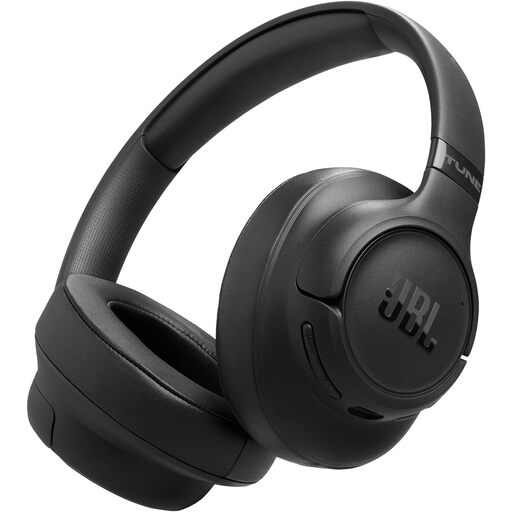
Consider this model if you want to try noise control while following narration in a busy room.
The title identifies adaptive noise cancelling. If hearing household cues matters, check how its Ambient Aware and TalkThru controls work for you; confirm cable and radio compatibility before relying on wired listening.
 No image available
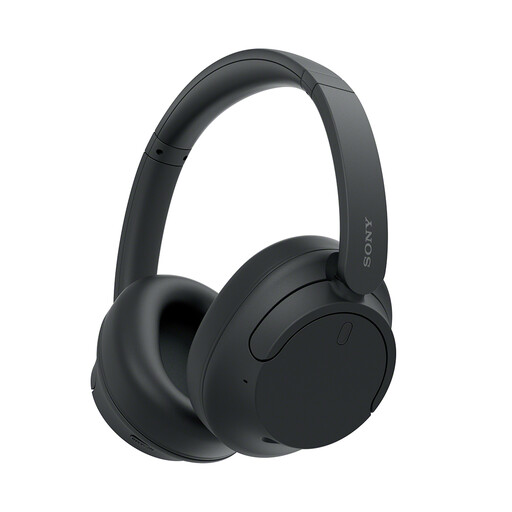
Consider these if you want over-ear listening and the option to adjust how much of the room you hear.
The title identifies noise cancelling. Try the fit and awareness controls for your household, and check that your radio offers a suitable Bluetooth or wired connection.
 No image available
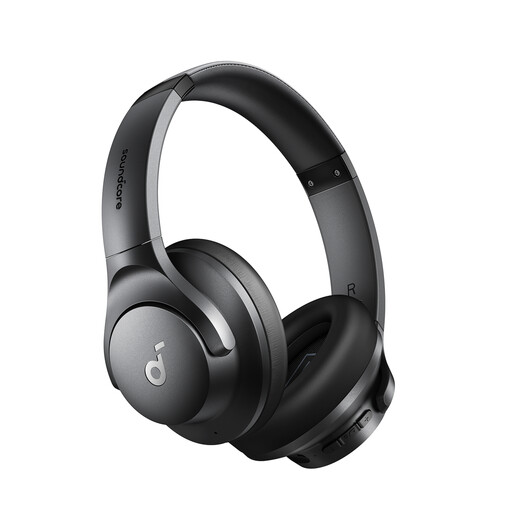
Consider these if you want to alternate between quieter documentary listening and awareness of activity around you.
The title identifies noise cancelling; check whether its Transparency mode gives you the balance you need. If a cable connection matters, confirm the connector and what comes with the headphones before ordering.
 No image available
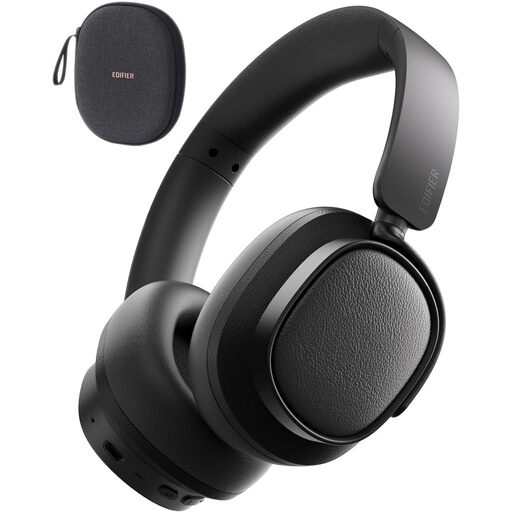
Consider these if long listening sessions and trying sound adjustments matter alongside noise control.
The title identifies active noise cancelling and wired and wireless listening, and advertises 92 hours of playtime without specifying the listening mode. Check the battery figure for your intended settings and the cable connectors for your radio.
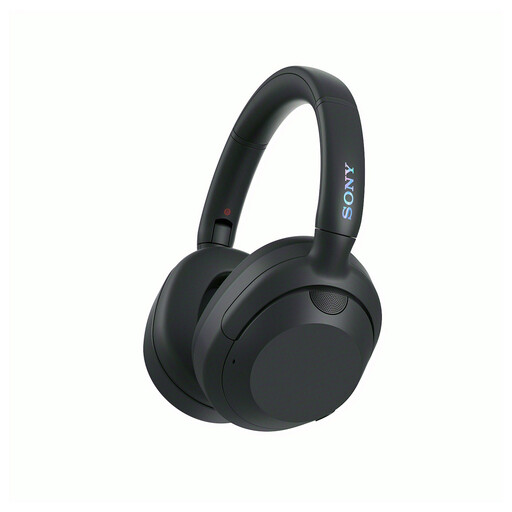 No image available
Consider these if you want noise-cancelling over-ear listening and may also use a compatible wired source.
Check how the fit and noise control handle your room. Before relying on the cable option, confirm that the radio has a compatible headphone output.
ANC and a good fit can reduce the temptation to raise the volume over background noise, but neither makes a listening level automatically safe. The World Health Organization advises keeping volume down and taking breaks.
They will work wirelessly only if the radio can send audio to Bluetooth headphones, or through another compatible connection arrangement. Check the radio’s outputs and the headphone model’s cable connectors; a separate Bluetooth transmitter may be needed.
They can matter for fit and the seal around your ears. Bose says replacement cushions help maintain the acoustic seal and comfort of its QuietComfort Ultra Headphones; if you expect heavy long-term use, check replacement-pad availability for the exact model you choose.
Do not put battery-containing headphones in household rubbish. GOV.UK advises taking electrical products and batteries marked with the crossed-out wheelie-bin symbol to an appropriate recycling collection point; if the battery cannot be removed, treat the headphones as electrical waste.