
24/7 Customer Support

Free returns

Same-day & Next-day Delivery

Quality Guaranteed

Unlock Your Welcome Offers: FREE Delivery | Up to 80% OFF | Free 30-day JoyPlus trial
Download the APP
Navigating the market for wireless headphones can feel overwhelming. With endless features and technical jargon, it is easy to fall for marketing promises that do not hold up in daily use. As a Joybuy Product Recommendation Officer, my role is to help you identify the key factors that truly matter, so you can find a pair that fits your lifestyle without the buyer's remorse.
This guide cuts through the clutter, focusing on common purchasing pitfalls and the essential specifications to check before you buy.
Many shoppers end up disappointed because of clever marketing that obscures a product's real-world performance. Here are three common traps to watch out for:
To make a smart choice, focus on these three practical parameters. They will have the biggest impact on your day-to-day satisfaction.
The physical design of your headphones dictates their comfort and suitability for different activities.
The quality of your wireless connection is fundamental. Look for headphones with at least Bluetooth 5.3. Newer versions offer a more stable connection, improved energy efficiency (meaning better battery life) and lower latency, which reduces the audio delay when watching videos or gaming.
The IP rating tells you how resistant a device is to dust and water. It is written as "IP" followed by two numbers.
For general UK use, an IPX4 rating is a good baseline for peace of mind during workouts or a drizzly commute.
Instead of a generic list, we have matched specific models to different user needs, helping you find a practical fit for your life.

Why This Fits Their Persona: These earbuds offer a reliable set of core features without a high price tag. They are perfect for listening to podcasts on the train or taking calls on the go, providing a practical solution for everyday use in the UK.
It has a solid IP54 rating, offering better dust and splash protection than many budget models. The AI call noise reduction is clearly positioned for calls, avoiding confusion with ANC.
Features modern Bluetooth 5.4 for a stable connection and includes a low-latency game mode, a useful feature not always found at this price point.
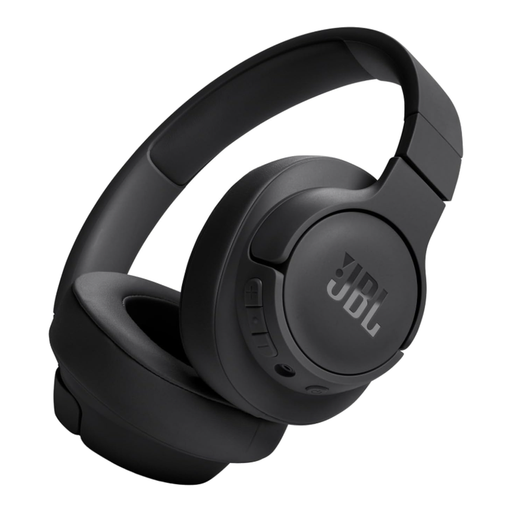
Why This Fits Their Persona: For those who spend their day on calls or need to focus for long periods, these over-ear headphones are a workhorse. The long battery life and multi-device connection are ideal for a busy workflow.
It directly counters the battery life trap with a massive 76-hour single-charge playback time. This is not a combined figure; it is continuous use, making it genuinely reliable for multiple days.
The multi-point connectivity allows you to be connected to a laptop and phone simultaneously, seamlessly switching from a video meeting to an incoming call without re-pairing.
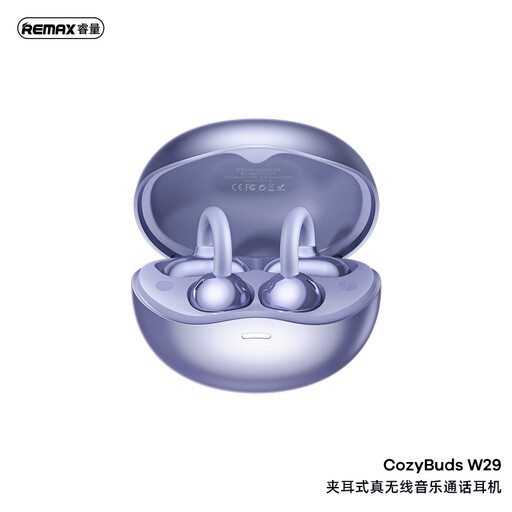
Why This Fits Their Persona: Ideal for runners, cyclists or anyone who finds in-ear buds uncomfortable. The clip-on, open-ear design provides a secure fit during movement and allows you to hear traffic and your surroundings for safety.
This model's primary selling point is its ergonomic design, which directly addresses the comfort and fit issues many users have with traditional Bluetooth earbuds. It does not over-promise on features like ANC.
The open-ear design is a significant safety and comfort feature. It also has a respectable 6.5-hour single-charge battery life, which is ample for long workouts or daily use.
We have compiled a complete, real-time list of products that fully satisfy these strict selection criteria and UK safety regulations.
1. What is the real difference between ANC and ENC? Active Noise Cancellation (ANC) uses microphones to detect and cancel out ambient sounds for you, the listener. It is designed to immerse you in your audio. Environmental Noise Cancellation (ENC), often marketed as "AI noise reduction for calls," uses microphones to isolate your voice and reduce background noise for the person on the other end of your call. ANC improves your listening; ENC improves your call quality for others.
2. How long can I expect my wireless headphones to last? The physical lifespan of a good pair of wireless headphones can be several years if cared for. However, the built-in lithium-ion batteries will degrade over time. You can typically expect to see a noticeable decline in battery capacity after 2-3 years of regular use. To prolong their life, avoid exposing them to extreme temperatures and do not leave them fully discharged for long periods.
3. Can I connect wireless headphones to a device without Bluetooth? Generally, no. Wireless headphones rely on a Bluetooth signal. However, some over-ear wireless headphones come with a detachable 3.5mm audio cable, allowing you to plug them into devices with a headphone jack, such as in-flight entertainment systems or older audio equipment. This is a useful feature for versatility.