
24/7 Customer Support

Free returns

Same-day & Next-day Delivery

Quality Guaranteed

Unlock Your Welcome Offers: FREE Delivery | Up to 80% OFF | Free 30-day JoyPlus trial
Download the APP
Choosing a wireless home security camera UK households can rely on is not simply a matter of picking the highest resolution. A camera may advertise 4K video, AI alerts or “wire-free” installation, yet still be unsuitable for a shaded garden, weak Wi-Fi network or busy family home.
The practical choice depends on where the camera will be installed, how footage will be stored and whether you need continuous monitoring or occasional motion alerts. The following guide explains the main buying pitfalls and compares suitable options for different UK households.
A Wi-Fi CCTV camera can connect to your router without an Ethernet cable, but it may still require a mains adapter. Indoor models such as a baby monitor camera or pet camera often use plug-in power, while an outdoor wireless camera may use a rechargeable battery or solar panel.
Check both specifications separately:
A solar security camera reduces cable requirements, but its panel still needs a suitable position with reasonable daylight. In shaded gardens or north-facing locations, battery capacity and charging performance matter more than the word “solar” on the packaging.
A 4K CCTV camera records more pixels than a 1080p model, but clarity is also affected by lighting, lens quality, compression, digital zoom and the distance to the subject. In a small hallway, 2K or 3MP footage may be sufficient. For a driveway, garden gate or larger property, 4K can provide more detail when correctly positioned.
Night performance also varies. Infrared footage is usually monochrome, while a colour night vision camera may use a larger-aperture sensor, white light or a spotlight. Colour footage can provide more visual context, but illumination may affect neighbours or attract attention.
“Cloud-ready” does not always mean free cloud storage. Some systems provide a trial period, while others require a paid plan for extended history, thumbnail previews or advanced features. A no monthly fee security camera may instead use a microSD card, local hub or built-in storage.
Before ordering, check:
An indoor security camera is not designed to withstand rain, frost or condensation. For external installation, look for a stated weather-resistance rating such as IP65 or IP66. These ratings describe protection against dust and water, but they do not remove the need to seal cable connections and mount the camera securely.
An outdoor security camera should also be placed where its field of view does not unnecessarily capture neighbours’ windows, gardens or public areas. In the UK, domestic surveillance should be used responsibly, with privacy and data-protection obligations considered where other people may be recorded.
A fixed camera may be suitable for a front door, cot or cupboard area. For open-plan rooms and gardens, a 360° pan and tilt camera can cover a wider area. However, pan-and-tilt movement does not mean every angle is recorded simultaneously. A camera can also miss activity while it is facing elsewhere.
Dual-lens designs offer a practical alternative: one lens can show a broad view while another provides a closer or moving view. Consider preset viewpoints, patrol modes and whether automatic tracking can be adjusted or disabled.
AI motion detection can distinguish selected categories such as people, pets or vehicles, helping reduce notifications caused by trees, shadows or passing traffic. Detection accuracy depends on mounting height, lighting and the defined activity zone, so treat quoted performance figures as manufacturer specifications rather than a guarantee.
Useful everyday features include:
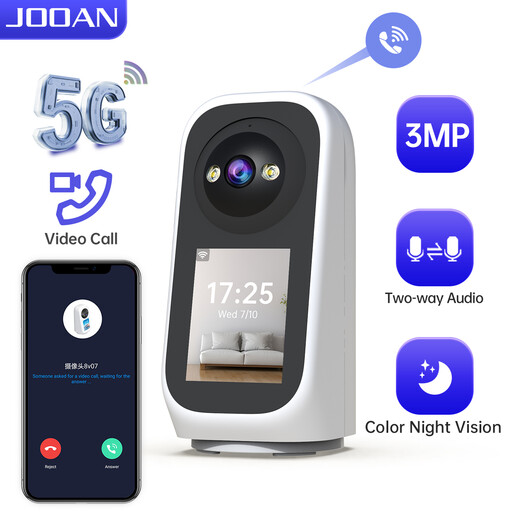
Why This Fits Their Persona: A plug-in indoor option for renters, parents or households wanting a straightforward camera for a bedroom, living room or elderly relative.
The listing clearly identifies plug-in power, indoor use and paid optional cloud storage, helping set realistic running-cost expectations.
2K-class 3MP video, 355° pan and 90° tilt, two-way visual calling, auto tracking and microSD support up to 256GB.
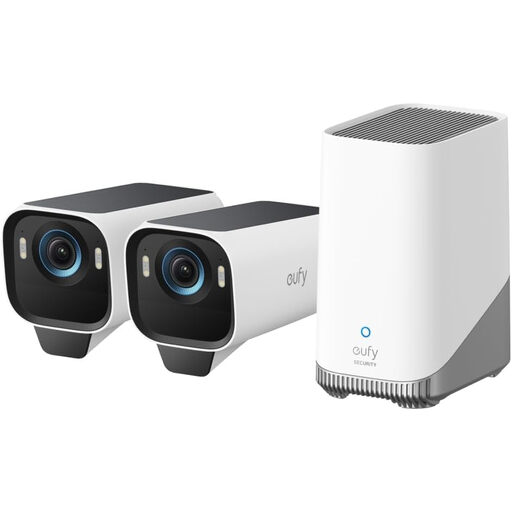
Why This Fits Their Persona: Designed for homeowners wanting detailed outdoor coverage, solar-assisted power and local storage rather than a compulsory monthly plan.
It lists 16GB on-device storage and expansion up to 16TB, so buyers can assess local recording before considering cloud services.
4K resolution, colour night vision, dual radar and PIR motion detection, solar charging and a stated waterproof outdoor design.
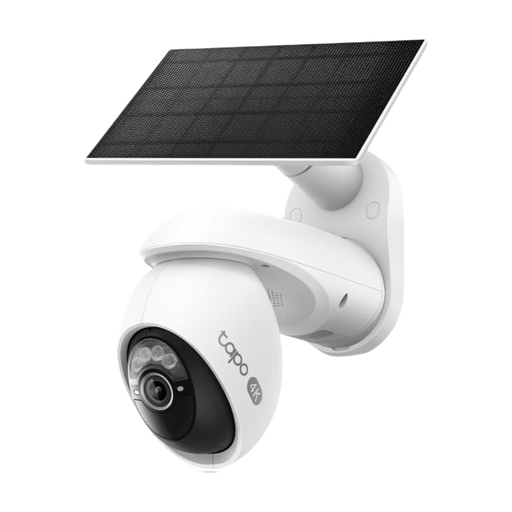
Why This Fits Their Persona: Suitable for larger gardens, driveways and properties where broad movement coverage, solar power and detailed footage are priorities.
Its IP65 rating, separate solar-panel positioning and stated microSD capacity make installation and storage requirements easier to evaluate.
4K 8MP video, 360° coverage, person, pet and vehicle detection, two-way audio, dual-band Wi-Fi and colour night vision.
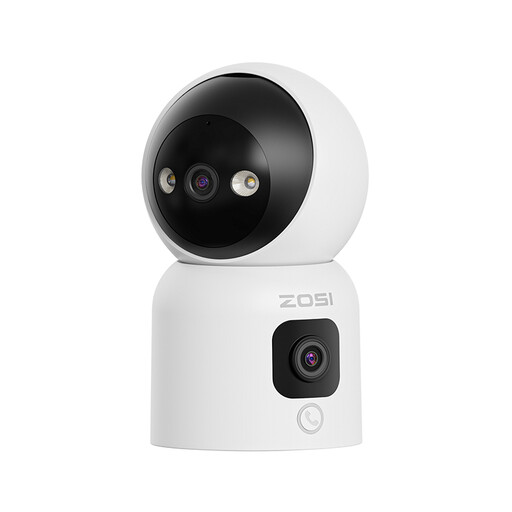
Why This Fits Their Persona: A practical indoor monitor for checking children, pets or older family members from a smartphone.
The wired power design avoids battery replacement, while three listed night-vision modes and local storage options clarify its everyday operation.
Dual 2MP lenses, 360° horizontal rotation, human and pet detection, auto tracking, gesture calling and two-way audio.
We have compiled a complete, real-time list of products that fully satisfy these strict selection criteria and UK safety regulations.
Most Wi-Fi cameras need a functioning home network for remote smartphone viewing and notifications. Some models can continue recording to a microSD card or local hub during a temporary internet interruption, but this varies by product. Check whether the camera supports offline recording before relying on it for continuous surveillance.
Battery duration depends on temperature, activity levels, recording frequency, Wi-Fi strength and available sunlight. A solar panel can reduce charging frequency, but winter cloud, dirt or poor positioning may reduce energy collection. Review the stated battery specification and install the panel where it receives the most practical daylight.
Not always. Local microSD storage, built-in storage or a compatible hub can provide alternatives to a monthly cloud plan. However, features such as extended video history, cloud backups or thumbnail notifications may still be subscription-based. Confirm the storage terms before purchasing if avoiding recurring costs is important.