
24/7 Customer Support

Free returns

Same-day & Next-day Delivery

Quality Guaranteed

Unlock Your Welcome Offers: FREE Delivery | Up to 80% OFF | Free 30-day JoyPlus trial
Download the APP
Great video quality is now standard on most smartphones, but clear, crisp audio often remains a challenge. If you are a content creator, vlogger or journalist, you know that muffled sound or distracting background noise can undermine an otherwise excellent recording. The built-in microphone on your phone is simply not designed for professional results, especially from a distance.
A wireless lavalier microphone is a straightforward and effective solution. These compact, clip-on devices capture your voice directly, eliminating the echo and ambient noise that plague mobile recordings. This guide is designed to help you navigate the options and select a microphone that fits your needs, ensuring your message is heard loud and clear.
Choosing the right lapel mic for your phone involves more than just picking one off the shelf. Here are a few practical points to consider to ensure you get a device that works seamlessly with your equipment and recording style.
The most critical factor is compatibility with your device. Wireless microphone systems for phones come with a small receiver that plugs directly into your phone's charging port.
Always double-check the port on your specific device before purchasing to avoid compatibility issues.
Consider how you will be using the microphone.
Many modern wireless lavalier microphones feature built-in noise reduction technology. A noise cancelling lapel mic uses processing to identify and suppress consistent background sounds like air conditioning hum, traffic rumble or computer fans. This feature is particularly useful for anyone recording in unpredictable or busy locations, as it helps isolate your voice and deliver a much cleaner final audio track.
As a Joybuy Product Recommendation Officer, I have filtered through various options to highlight models that offer practical features and reliable performance for content creators.
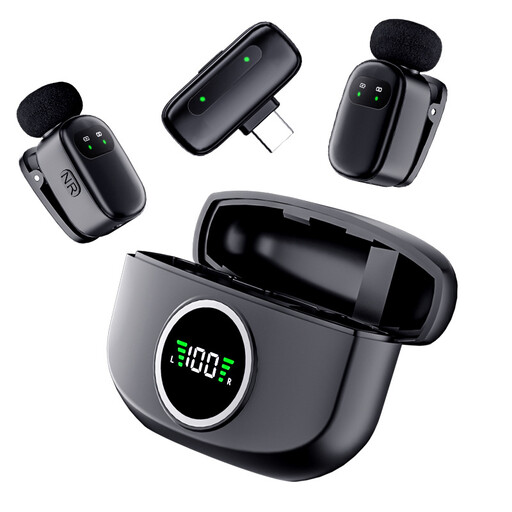
Why It Stands Out: The Verbex K21 is a complete two-person audio solution designed specifically for modern Android devices and other electronics with a USB-C port. Its all-in-one design with a magnetic charging case makes it highly portable and convenient for creators on the move.
Pros:
Who is it for? This is an excellent choice for Android-based content creators, journalists and educators who frequently conduct interviews or record two-person vlogs and need a reliable, portable system.
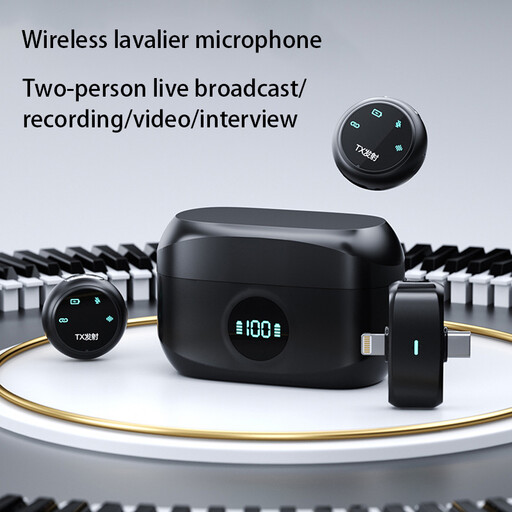
Why It Stands Out: The K31Pro’s main advantage is its versatility. It comes equipped with a universal receiver that supports both Apple Lightning and USB-C interfaces, making it a future-proof option for creators who use devices from different ecosystems or plan to upgrade in the future.
Pros:
Who is it for? Ideal for creators who work across multiple platforms, such as an iPhone and an Android tablet, or for small teams and families sharing equipment with different types of phones.
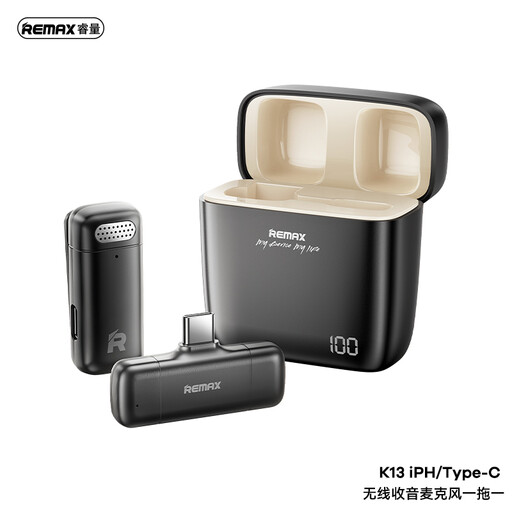
Why It Stands Out: The REMAX K13 focuses on delivering high-quality audio for the solo creator. Its inclusion of a professional furry wind muff makes it particularly well-suited for outdoor microphone for vlogging applications, while the real-time monitoring feature gives you full control over your sound.
Pros:
Who is it for? This system is perfect for solo vloggers, YouTubers and journalists who primarily use USB-C devices and demand clear audio, especially when recording outdoors.
If these recommendations do not quite match what you are looking for, or if you need a system with different specifications, there are many other models available.
1. How do wireless lavalier microphones work with a phone? Most modern systems are designed for simplicity. You plug the small receiver into your phone's charging port (USB-C or Lightning). Then, you clip the transmitter, which has the microphone built-in, onto your shirt or lapel. The two parts typically pair automatically, and your phone will recognise it as the primary audio input for video recording or live streaming.
2. Can I use a wireless microphone for live streaming? Absolutely. A clip-on microphone is an excellent tool for live streaming on platforms like YouTube, TikTok or Instagram. It ensures your audience hears you clearly without the echo and background noise common when using a phone's internal mic, leading to a more professional and engaging broadcast.
3. Do I need to charge both the microphone and the receiver? Typically, only the transmitter (the part you wear) contains a battery and needs to be charged. Many, like the Verbex models above, come with a charging case that tops them up between uses. The receiver is usually powered directly by the phone it is plugged into, so it does not require its own charging.