
24/7 Customer Support

Free returns

Same-day & Next-day Delivery

Quality Guaranteed

Unlock Your Welcome Offers: FREE Delivery | Up to 80% OFF | Free 30-day JoyPlus trial
Download the APP
Poor audio can make a clear video difficult to watch, whether you are filming a vlog, interviewing someone in a busy UK high street or joining an online meeting from home. A wireless microphone for smartphone can improve voice pickup and give you freedom to move, but choosing the wrong system may create more problems than it solves.
The main buying risks are not always obvious from product photographs. A small receiver may not match your phone, advertised noise cancellation may not remove every background sound and battery claims may refer to ideal conditions rather than continuous use. Before choosing a USB-C wireless microphone, Lightning model or wireless lavalier microphone, check the following points.
A receiver designed for USB-C will not directly fit an iPhone with a Lightning port, while a Lightning wireless microphone is not suitable for a phone with USB-C. Some newer phones and tablets may also require permission before using an external microphone.
Check:
If you use more than one device, a system with broader compatibility may be more practical than a model designed for one connector.
A noise-cancelling microphone can help reduce certain unwanted sounds, but it does not make a busy environment completely quiet. Traffic, wind, handling noise and nearby conversations can still affect a recording. A furry wind muff is particularly useful for outdoor filming, while positioning the microphone close to the speaker remains important.
Look for clearly stated controls, wind protection and the ability to mute the transmitter. Avoid choosing solely because a product description uses terms such as “professional” or “studio quality”.
A microphone may have a stated running time, but the transmitter and receiver need to remain charged. A compact charging case can be useful for mobile creators, while a longer stated operating time may suit filming several clips in one day.
Also check whether the product has a low-battery indicator, how it charges and whether the receiver draws power from your smartphone.
For an Android phone or modern tablet with USB-C, a USB-C wireless microphone is usually the most straightforward option. A direct receiver avoids Bluetooth pairing in many systems and can reduce setup steps.
For compatible Apple devices, a wireless microphone for iPhone with a Lightning receiver provides a direct connection. However, owners of newer USB-C iPhones should select a USB-C model instead. Always confirm the product listing and your device specification before ordering.
A one-transmitter kit is suitable for solo vlogging, presentations and voiceovers. A dual wireless microphone system is more useful for interviews, two-person videos and conversational livestreams. Confirm whether the kit includes one receiver and two transmitters, rather than assuming “dual” describes the entire package.
A 2.4G wireless system can provide cable-free movement between the transmitter and receiver. For filming or live streaming, low delay helps keep speech aligned with video. A 3.5mm headphone output on the receiver may allow real-time monitoring, although your phone or recording app must also support the relevant audio route.
For outdoor use, prioritise a clip or magnetic attachment, a furry wind muff and sensible microphone placement. Keep the microphone away from clothing friction and avoid covering its pickup area.
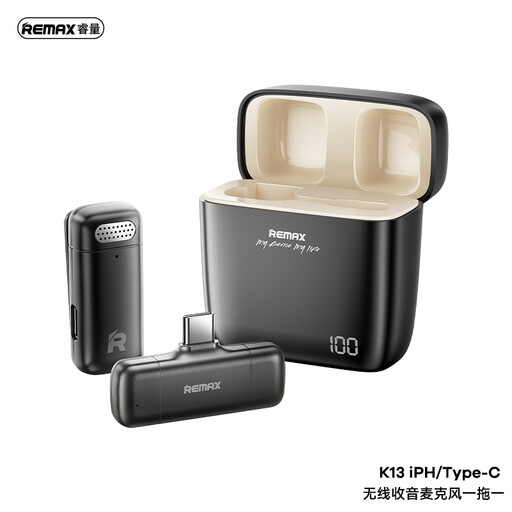
Why This Fits Their Persona: A straightforward option for new vloggers, students and casual creators using USB-C smartphones, tablets or compatible cameras.
The USB-C receiver makes the connection type clear, while the included furry wind muff addresses a common outdoor recording weakness.
One transmitter and receiver; 2.4G transmission, one-touch mute and a 3.5mm headphone monitoring jack are listed features.
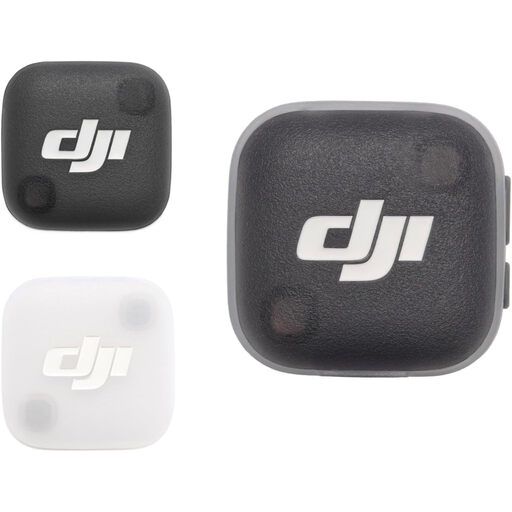
Why This Fits Their Persona: Suitable for creators who value a lightweight transmitter and flexible connection options for vlogs, podcasts and mobile filming.
It offers two noise-cancelling levels and auto limiting, but buyers should verify direct Bluetooth compatibility with their exact phone before purchase.
The transmitter weighs 11 g according to the listing and includes three voice tone presets plus direct Bluetooth connection on supported phones.
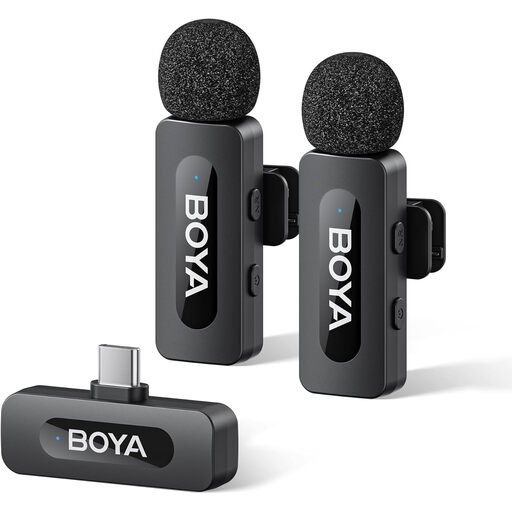
Why This Fits Their Persona: A two-person kit for interviewers, co-hosted livestreams and creators who regularly record conversations with a USB-C device.
Its stated 2 TX + 1 RX configuration avoids the common mistake of buying a one-transmitter kit for two speakers.
The listing specifies one-click noise cancellation and up to 9 hours of battery life for the kit.
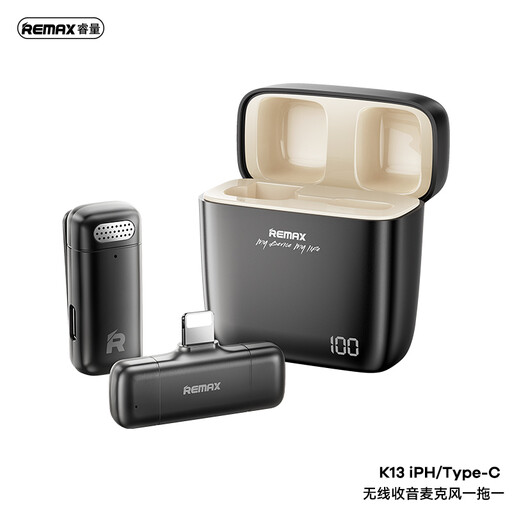
Why This Fits Their Persona: Designed for iPhone users with a Lightning port who want a portable microphone for vlogging, interviews or live streaming.
The dedicated Lightning receiver makes the connector requirement explicit, and the included furry wind muff helps with outdoor wind noise.
The receiver is listed with one-touch controls and a 3.5mm headphone jack for monitoring on compatible setups.
We have compiled a complete, real-time list of products that fully satisfy these strict selection criteria and UK safety regulations.
Many do, provided the receiver connector matches the phone. A wireless microphone for Android with a USB-C receiver is generally the relevant format, but app permissions and phone compatibility can vary. Test the microphone in your intended recording app before an important shoot.
It can place the microphone closer to the speaker, which may produce a more direct voice recording than a phone positioned several metres away. Results still depend on placement, wind, background noise and the recording app. A wireless system is particularly practical for vlogging, interviews and presentations where the speaker moves.
Battery life depends on usage, charging habits and storage conditions. Compare the stated continuous operating time with your typical filming session, and consider a charging case or spare charging time if you record frequently. A listed nine-hour battery figure, for example, should be treated as a guide rather than a guarantee for every recording situation.