
24/7 Customer Support

Free returns

Same-day & Next-day Delivery

Quality Guaranteed

Unlock Your Welcome Offers: FREE Delivery | Up to 80% OFF | Free 30-day JoyPlus trial
Download the APP
Choosing wireless noise-cancelling headphones and earbuds is not simply a matter of comparing prices or selecting the product with the largest decibel figure. UK shoppers also need to consider comfort, battery claims, microphone performance, durability and whether the advertised noise control suits their daily routine.
A low-cost pair may look appealing but become uncomfortable after a short commute. Conversely, a premium model may include features you rarely use. The right choice depends on where and how you listen.
Active noise cancellation (ANC) uses microphones and electronic processing to reduce external sound. It generally performs more consistently against low, continuous noise such as train engines, aircraft cabin hum and office ventilation.
It may be less effective against sudden voices, nearby conversations or irregular traffic sounds. Passive isolation from well-sealed earcups or ear tips remains important. A product with several microphones is not automatically the right choice if its fit allows sound to leak in.
Battery figures are normally maximum estimates and can change according to volume, codec, ANC mode, calls and temperature. For example, a pair advertised with long battery life may provide a different result when ANC and high-resolution audio are enabled.
Check whether the stated figure applies to ANC on or ANC off, and whether it describes one charge or the total capacity including a charging case. Quick-charge performance can also be more useful than a headline figure when travelling.
Over-ear noise-cancelling headphones can offer a comfortable seal and physical controls, but they take up more space in a bag. In-ear wireless earbuds are lighter and easier to carry, although the correct ear-tip size is essential for sound quality and passive isolation.
Also check water-resistance information carefully. An IPX4 rating indicates resistance to splashes and sweat, not submersion. Products intended for sports should be kept away from swimming unless the manufacturer specifically provides suitable protection.
ANC is designed primarily for listening. ENC, or environmental noise cancellation, usually refers to microphone processing that helps reduce background noise during calls. These functions are not interchangeable.
If you regularly work from cafés or take calls on public transport, look for multiple microphones and a stated call-noise-reduction feature. Transparency or aware modes are useful when you need to hear announcements, colleagues or nearby traffic. Do not use noise-cancelling modes while driving or cycling.
For daily commuting, look for a realistic balance between single-charge playback and case capacity. Some relevant specifications in this range include:
These are listed product specifications rather than guaranteed personal results. Volume, Bluetooth codec and call usage can reduce operating time.
Bluetooth 5.3 or 5.4 can offer modern connectivity, but the version alone does not determine sound quality or range. Check device compatibility, multipoint support and whether the product works with your phone, laptop and tablet.
Shoppers seeking Hi-Res audio headphones should check codec support as well as the source device. For example, the Baseus Bowie H1i lists LHDC decoding and a 20Hz–40kHz frequency response, while the Soundcore Space One Pro lists LDAC support. These features may require compatible hardware and settings.
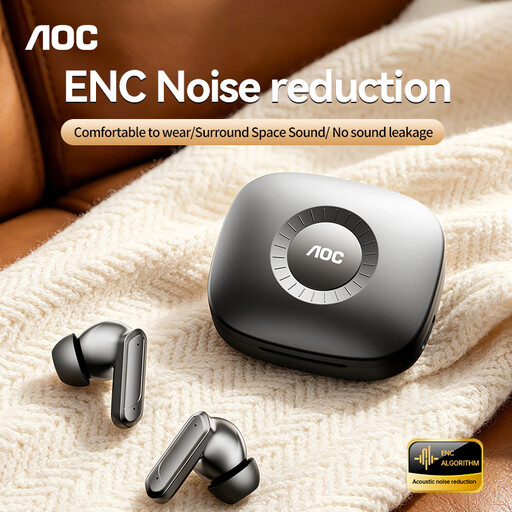
Why This Fits Their Persona: A compact option for everyday listening, phone calls and short commutes where USB-C charging and touch controls are useful.
The listing identifies ENC call noise cancellation separately from general listening features, helping buyers understand its intended use.
Bluetooth 5.4, touch controls, USB-C charging and a listed 20-hour standby figure.
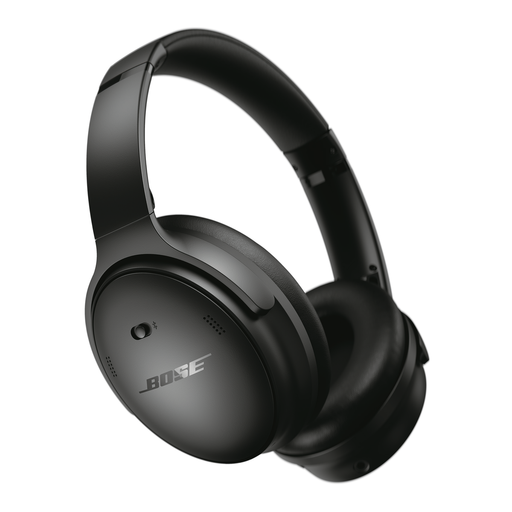
Why This Fits Their Persona: Suited to listeners who prioritise over-ear comfort, adjustable modes and extended use at home, in the office or on UK rail journeys.
Quiet, Aware and Custom Modes make the listening environment adjustable instead of relying on one fixed ANC setting.
Up to 24 hours of battery life, adjustable EQ, carry case and included wired audio cable.
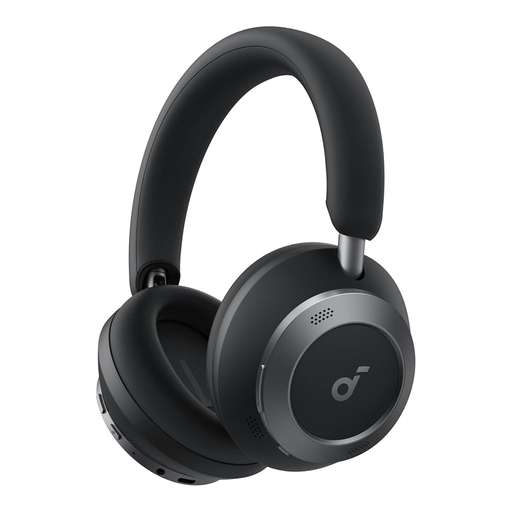
Why This Fits Their Persona: A foldable over-ear design for frequent train journeys, flights and long listening sessions where battery capacity matters.
The listing separates ANC-on and ANC-off playback figures, while the foldable structure addresses storage in a travel bag.
Up to 40 hours with ANC on, 60 hours with ANC off, LDAC support and a stated five-minute quick charge for up to eight hours of playback.
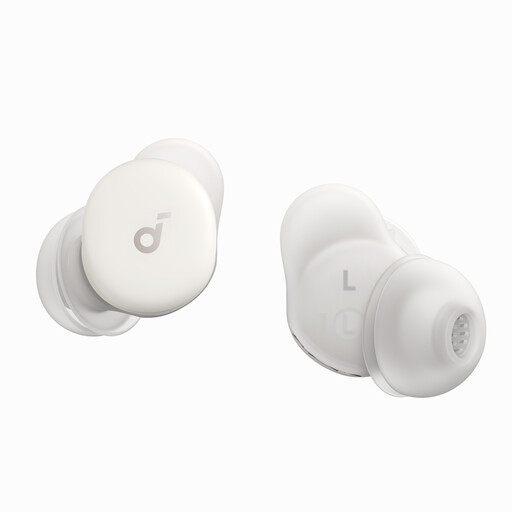
Why This Fits Their Persona: Designed for a specific use case, with a slimmer in-ear profile and soft silicone ear tips for overnight wear.
Its product information describes ear-canal adaptation and sleep-focused features rather than presenting it as a general-purpose travel headset.
Bluetooth connectivity, USB-C charging and a lightweight profile intended for side-sleepers.
We have compiled a complete, real-time list of products that fully satisfy these strict selection criteria and UK safety regulations.
Yes, ANC earbuds can work well on buses, trains and in shared offices when they fit securely. Select the correct ear tips and use transparency mode near roads, platforms and station announcements. Avoid using noise cancellation when cycling or operating a vehicle.
Battery capacity gradually reduces with charging cycles, while physical wear depends on storage, moisture and handling. Keeping earbuds in their case, cleaning ear tips carefully and avoiding extreme heat can help maintain them. Look for replaceable cushions or included cables if you want more flexibility over time.
ANC and high-volume playback generally consume more power than basic Bluetooth listening. In practical terms, the main cost is the electricity used to recharge the built-in battery, which is usually small. The more important consideration is selecting a model with a battery figure that suits your routine, so you are not repeatedly charging it during the day.