
24/7 Customer Support

Free returns

Same-day & Next-day Delivery

Quality Guaranteed

Unlock Your Welcome Offers: FREE Delivery | Up to 80% OFF | Free 30-day JoyPlus trial
Download the APP
Navigating the world of wireless speakers can feel like walking through a minefield of marketing jargon and exaggerated claims. From promises of "earth-shattering bass" from a palm-sized device to confusing technical specs, it is easy to make a purchase you later regret. As a Joybuy Product Recommendation Officer, my role is to help you sidestep these issues and find a product that genuinely fits your needs.
Before you add any wireless speaker to your basket, be aware of these three common pitfalls that catch out UK shoppers.
Many brands label their products as "waterproof," but this term can be misleading. A speaker that can withstand a light rain shower is very different from one that can survive an accidental drop into a swimming pool. This ambiguity often leads to disappointment and a broken device. The key is to look for an official IP (Ingress Protection) rating. A speaker rated IPX4 is only splash-resistant, whereas a waterproof outdoor speaker with an IPX7 rating can be submerged in up to one metre of water for 30 minutes.
A claim of "20-hour playtime" often comes with a significant catch. Manufacturers typically measure battery life under ideal lab conditions—usually at 50% volume with features like ambient lighting turned off. In real-world use, listening at a higher volume or using extra features can easily cut that advertised time in half. This is a frequent source of frustration for those who need a reliable portable bluetooth speaker for a full day out.
Terms like "immersive sound" and "powerful bass" are subjective and mean very little without context. Instead of falling for marketing buzzwords, it is more practical to focus on objective specifications that directly impact audio performance. These are the details that separate a genuinely great speaker from one that just talks a good game.
To make an informed decision, focus on these three non-negotiable areas. They provide a clear indication of a speaker's performance, durability and suitability for your specific environment.
While Bluetooth is standard, the type of connectivity determines how you can use your speaker.
The physical components of a speaker define its sound profile.
A speaker is an investment, and its construction should reflect that. For portable models, look for robust materials and a confirmed IP67 or IPX7 rating if you plan to use it outdoors. For home speakers, a solid cabinet made from materials like MDF (medium-density fibreboard) is preferable to thin plastic, as it helps reduce unwanted vibrations and resonance for cleaner sound.
Based on these practical criteria, here are a few options from our catalogue matched to specific user needs.
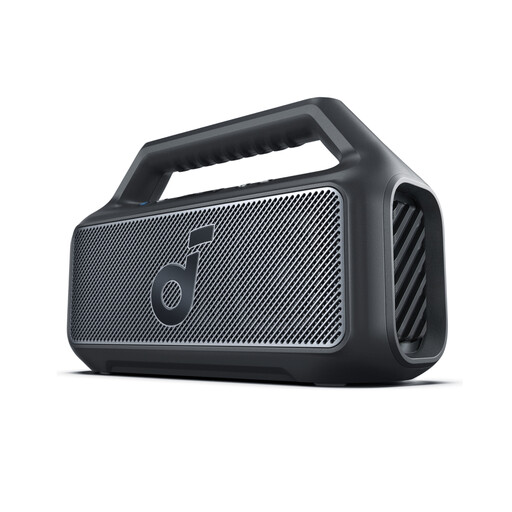
Why This Fits Their Persona: Its lightweight design, built-in handle and robust waterproofing make it a practical companion for UK trips to the park, beach or garden, regardless of the unpredictable weather. The long battery life is ideal for all-day excursions.
It has a certified IPX7 waterproof rating, meaning it can be fully submerged, not just splashed. The 18-hour playtime is a more realistic figure for extended outdoor use, avoiding the trap of exaggerated battery claims.
It is not just waterproof, it also floats, making it easy to retrieve from water. The built-in powerbank is a highly practical feature for charging your phone while on the move.
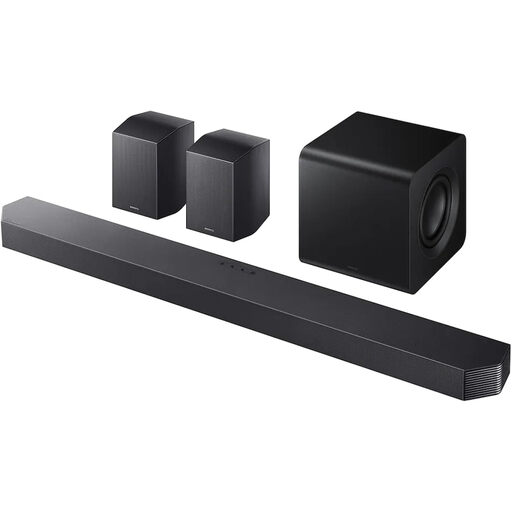
Why This Fits Their Persona: For those in the UK looking to replicate a true cinema experience at home, this system provides immersive, three-dimensional sound without the complexity of a traditional AV receiver and wired speaker setup.
It moves beyond vague marketing by offering a true 9.1.4 channel configuration with dedicated up-firing drivers for genuine Dolby Atmos height effects, not just simulated virtual surround sound.
It includes true wireless rear speakers and a wireless subwoofer, delivering a complete surround system out of the box. The SpaceFit Sound Pro feature calibrates the audio to your specific room layout.
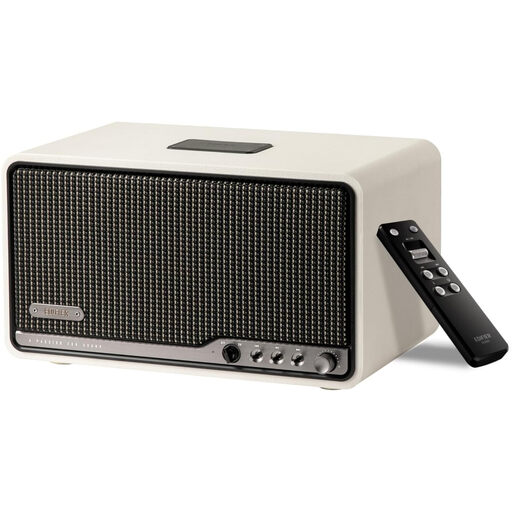
Why This Fits Their Persona: Perfect for a home office or stylish living room, it delivers high-fidelity sound for music lovers who appreciate both audio quality and design. It is a significant upgrade over typical desktop speakers for PC.
It backs up its quality claims with support for Hi-Res Audio formats and the LDAC codec, which transmits data at a much higher rate than standard Bluetooth for noticeably more detailed sound.
Offers both high-quality Bluetooth streaming and Wi-Fi connectivity for a lossless multi-room audio system via AirPlay 2. The MDF wood cabinet is designed to reduce acoustic resonance.
We have compiled a complete, real-time list of products that fully satisfy these strict selection criteria and UK safety regulations.
Absolutely. One of the main advantages of a wireless subwoofer is placement flexibility. You can position it wherever it sounds and fits best in your room without running cables across the floor. Even in a smaller space, a dedicated subwoofer provides a depth and impact to movie sound effects and music that TV speakers or an all-in-one soundbar simply cannot replicate.
It depends on your use case. For a simple, portable speaker you take on the go, Bluetooth is all you need. However, if you want to build a multi-room audio system or prioritise the highest possible streaming quality at home, Wi-Fi is a valuable feature. Audio streamed over Wi-Fi is not compressed as much as standard Bluetooth and is not interrupted by phone calls or notifications on your device.
The lifespan of a wireless speaker depends on two main factors: battery health and build quality. The lithium-ion batteries in most portable speakers will gradually lose capacity after 300-500 charge cycles. For home speakers that are always plugged in, this is not a concern. Build quality is the other factor; a speaker with a high IP rating and durable housing is more likely to withstand the knocks and bumps of daily life, extending its usable lifespan significantly.