
24/7 Customer Support

Free returns

Same-day & Next-day Delivery

Quality Guaranteed

Unlock Your Welcome Offers: FREE Delivery | Up to 80% OFF | Free 30-day JoyPlus trial
Download the APP
Finding the right wireless sports headphones can feel like a workout in itself. The market is flooded with options, all promising the perfect audio experience for your active lifestyle. Yet, many of us have faced the frustration of an earbud falling out mid-sprint or a "waterproof" pair dying after a particularly sweaty session.
As the Joybuy Product Recommendation Officer, my role is to help you navigate past the marketing jargon. Before you invest in your next pair, let's look at a few common pitfalls that can lead to disappointment and a wasted purchase.
By understanding a few key specifications, you can make a much more informed decision and find a pair that genuinely supports your activities.
To avoid the traps, focus on the specifications that directly impact performance during exercise. Here are the three most important factors to consider.
How your headphones fit is paramount for any activity. The design dictates both comfort and stability.
The Ingress Protection (IP) rating is the official standard for how resistant a device is to dust and water. For headphones, the second digit is the most important.
When you see a claim of "40 hours of playtime," check the fine print. This number almost always includes recharges from the case. The specification that matters for your marathon or extended gym session is the single-charge battery life. A good pair of long battery life earphones should offer at least 6-8 hours of continuous playback on the earbuds alone.
Based on these practical criteria, here are a few recommendations from our catalogue, matched to specific user needs.
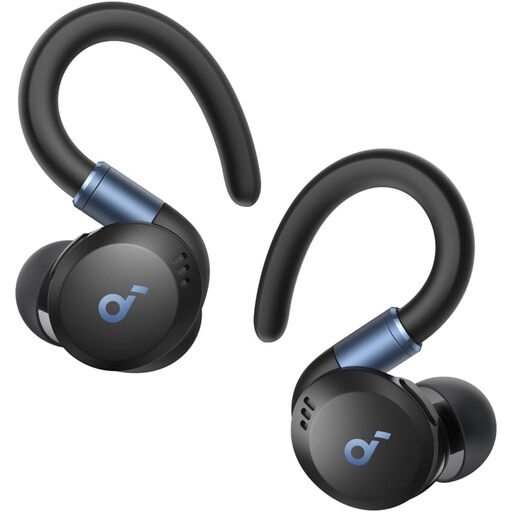
Why This Fits Their Persona: This user needs headphones that will not budge during intense activity and will last for long training sessions. The adjustable ear-hook design provides a highly stable and comfortable fit for running or weightlifting.
It directly solves the "unstable fit" problem with its rotating and stretching ear hooks. The 12-hour single-charge battery life is clearly stated, avoiding the "confusing battery claims" trap.
Adaptable Secure Fit: The ear hooks adjust up to 30 degrees for a personalised fit.
Long Single-Charge Playtime: Up to 12 hours of continuous audio is ample for marathons or multiple workouts.
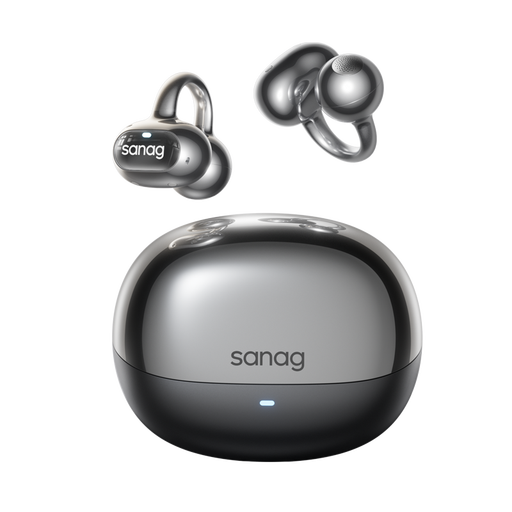
Why This Fits Their Persona: Ideal for cyclists, urban runners or office workers who need to hear their surroundings. The open-ear, air-conduction design ensures traffic, announcements and colleagues can still be heard clearly.
This model's primary feature is situational awareness, preventing the isolation that can be dangerous in busy environments. The ear-clip form factor provides a secure fit without blocking the ear canal, addressing the "unstable fit" issue for non-in-ear users.
Situational Awareness: The open-back, air-conduction design is purpose-built for safety.
High Water Resistance: An IPX7 rating means it can handle a sudden downpour during a commute without issue.
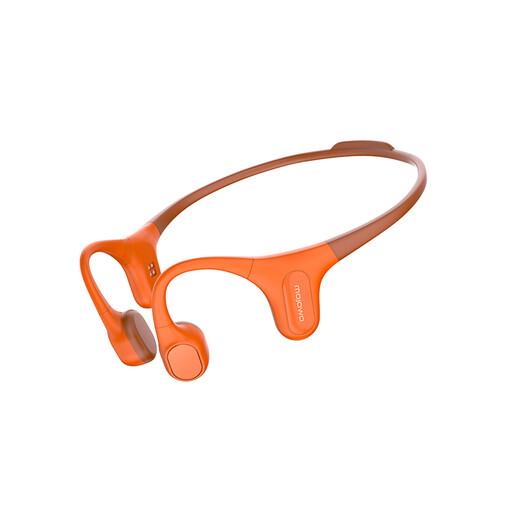
Why This Fits Their Persona: This user needs a true audio solution for swimming laps. This requires high-level waterproofing and a way to play music without a phone, as Bluetooth doesn't work underwater.
It completely avoids the "waterproof myth" by offering a genuine IP68 rating and, crucially, 32GB of built-in storage. This allows for phone-free music playback, solving the underwater Bluetooth problem that catches many buyers out.
IP68 Waterproofing: Fully submersible and designed for swimming.
Onboard MP3 Player: The 32GB of storage holds thousands of songs, making it a standalone device for the pool.
We have compiled a complete, real-time list of products that fully satisfy these strict selection criteria and UK safety regulations.
Always check the IP rating first. For most sweat-resistant (IPX4) models, wipe them down with a soft, dry cloth after use. For higher ratings like IPX7, you can often rinse them gently under a tap. Crucially, always ensure the earbuds and their charging contacts are completely dry before placing them back in the charging case to prevent damage.
Both technologies allow you to hear your surroundings, but they work differently. Bone conduction headphones send sound vibrations through your cheekbones directly to your inner ear. Open-ear air conduction headphones use tiny, precisely aimed speakers that sit just outside your ear canal, directing sound towards it without blocking it. The end result is similar—audio playback with full environmental awareness.
Most modern true wireless earbuds support "mono mode," which allows you to use either the left or right earbud independently. This is useful for taking calls, extending total battery life by using one while the other charges or for situations where you need one ear completely free for safety.