Socket-constrained tactical player
You play sessions you do not want to interrupt for charging. A dedicated 2.4 GHz connection and power you can replenish when needed take priority over avoiding spare batteries.


For tactical games, choose a mouse with dedicated 2.4 GHz wireless and a power system you can maintain between sessions. Replaceable AA or AAA batteries suit players who cannot rely on charging access but can keep spares; a rechargeable mouse suits players who can plan USB charging. Bluetooth can be useful for a compatible second device, while weight, grip and the conditions behind battery-life claims still matter.
You play sessions you do not want to interrupt for charging. A dedicated 2.4 GHz connection and power you can replenish when needed take priority over avoiding spare batteries.
You want freedom from a mouse cable but also need a shape, weight and button layout you can control consistently. Your charging plan still has to work around play sessions.
You use a gaming PC and another compatible device. Bluetooth may make switching to the second device more convenient, provided the mouse also has the 2.4 GHz connection you want for tactical play.
Start with how you will keep the mouse powered, then check its gaming connection. Compare handling and second-device convenience once those requirements are covered.
| Concern | What to check | Who this matters to |
|---|---|---|
| Power between sessions | Check whether the exact model takes replaceable AA or AAA batteries or needs USB charging, and what conditions apply to its stated runtime. | If I cannot count on charging before a match, I need a way to keep playing when power runs low. Around 33% of consumers put power independence first. |
| Gaming connection | Confirm a dedicated 2.4 GHz mode and check whether its receiver comes with the exact variant. | When I play tactical matches, I want the mouse's gaming-oriented connection rather than relying on Bluetooth alone. That is the first concern for around 27% of consumers. |
| Aim and grip | Compare weight in the battery configuration you will use, then assess shape and button placement for your grip. | If the mouse feels awkward during repeated aiming movements, solving the charging problem is not enough for me. Around 27% of consumers prioritise handling and control. |
| Second-device use | Check for both 2.4 GHz and Bluetooth, and confirm that your other device supports the intended connection. | I also move between a gaming PC and another device, so switching connections matters to me. Multi-device flexibility comes first for around 13% of consumers. |
Bluetooth adds convenience on compatible devices, while SteelSeries describes the Rival 3 Wireless 2.4 GHz connection as its gaming-grade, low-latency mode. Do not assume the two modes serve the same purpose in a tactical session.
Check that the exact mouse has a dedicated 2.4 GHz mode and whether the required receiver is included.
A rechargeable mouse still needs a workable charging connection. A depleted battery could interrupt play if you cannot recharge between sessions.
Decide where and when you would charge it. If that plan is unreliable, consider a mouse that accepts replaceable batteries and keep a compatible spare.
Battery choice can change how a mouse handles. Razer presents AA as the longer-runtime option and AAA as the lighter option for the DeathAdder V2 X HyperSpeed.
Compare stated weights for the battery or charging arrangement you would actually use, rather than comparing configurations as if they were identical.
GOV.UK advises that batteries and electrical products should go to an appropriate collection point rather than household rubbish.
Use a battery collection point for used portable batteries, and check a local electrical-waste collection or take-back option for an old mouse.
Its wireless models cover different approaches to power and connection rather than one standard setup.
The DeathAdder V2 X HyperSpeed is relevant if you want to choose between AA and AAA power alongside 2.4 GHz and Bluetooth connections.
Its Rival 3 Wireless offers 2.4 GHz and Bluetooth, while the Aerox 5 Wireless takes a different approach to weight and controls.
These choices include an AA/AAA-powered mouse for less dependence on charging and rechargeable 2.4 GHz models for setups where charging between sessions is practical. Check receiver inclusion and the power requirements of the exact variant before choosing.
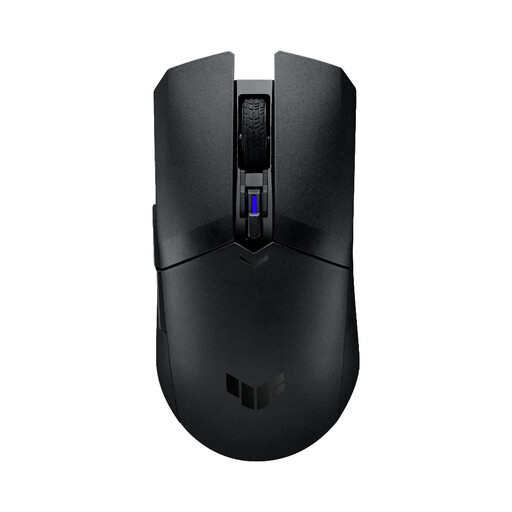 No image available
Consider this model if keeping a compatible AA or AAA spare is easier than arranging charging during play.
Check the battery configuration and stated runtime you intend to rely on, as well as whether a 2.4 GHz receiver is included.
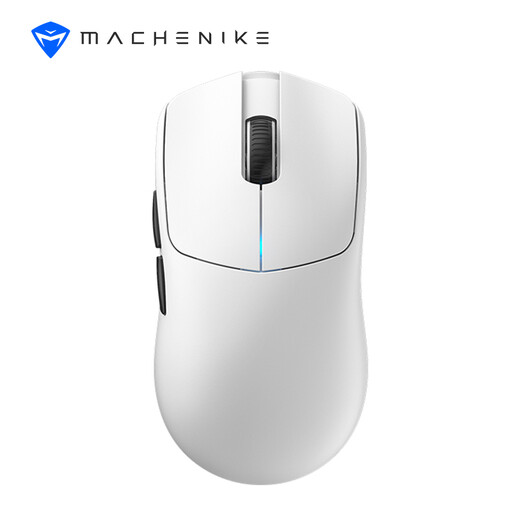 No image available
This rechargeable option is worth considering if you can charge between sessions and want to assess a lighter mouse for aiming.
Its title lists wired, 2.4G and Bluetooth modes, a PAW3395 sensor and dual 8K polling. Check the settings behind any runtime claim and whether the 2.4G receiver is included.
 No image available
This rechargeable mouse suits a setup where you can charge between sessions and want to assess a stated 53 g weight and ten programmable buttons.
Its advertised up-to-750-hour runtime applies at 1000 Hz after a driver update unlocks low-power mode; check what to expect at the settings you intend to use. The wireless dongle also needs a USB port.
 No image available
Consider this rechargeable model if a charging base fits your desk setup and you want to assess its stated 56 g weight.
The title lists 2.4G and wired modes, a PAW3950 sensor and 8 kHz polling. Check the exact connection modes, receiver contents, runtime and charging-base power requirements before relying on it for long sessions.
 No image available
This rechargeable model may suit players who can accommodate a charging dock and want controls they can configure for their games.
Its title lists BT, 2.4G and USB-C modes and a PAW3311 sensor. Check the exact weight, expected runtime, dock power needs and whether the 2.4G receiver is included.
Choose replaceable AA or AAA batteries if you cannot reliably charge between important sessions and can keep the correct spare available. Choose rechargeable if you have a workable charging routine; check the connection and settings behind any stated runtime before depending on it.
Choose a dedicated 2.4 GHz mode for tactical play when you want the connection the manufacturer positions for gaming. SteelSeries describes its Rival 3 Wireless 2.4 GHz mode as gaming-grade and low-latency; Bluetooth remains useful for a compatible secondary device.
Treat them as conditional manufacturer claims, not like-for-like test results. Check the battery type, connection mode and settings behind each figure, then keep a compatible spare or a charging plan for sessions you do not want interrupted.
Take them to appropriate collection points rather than putting them in household rubbish, as GOV.UK advises for batteries and electrical products. Check a local battery collection point for portable batteries and an electrical-waste collection option for the mouse.