
24/7 Customer Support

Free returns

Same-day & Next-day Delivery

Quality Guaranteed

Unlock Your Welcome Offers: FREE Delivery | Up to 80% OFF | Free 30-day JoyPlus trial
Download the APP
Choosing women’s hygiene pads is not simply a matter of picking the thickest pack or the product with the most impressive packaging. The right option depends on whether you need menstrual pads, bladder leak pads, postpartum pads or disposable nursing pads, as well as the coverage, absorbency and fit required for your routine.
Marketing language can make products appear interchangeable, but small differences in length, fastening and materials can affect comfort and leak protection. This guide explains the practical details to check before buying sanitary pads in the UK.
Menstrual pads and incontinence pads are designed for different types of fluid and usage patterns. A product labelled for urinary leakage should not automatically be used as a menstrual pad. Likewise, a standard sanitary pad may not provide the fit or absorbency needed for bladder weakness.
Always check the intended use on the packaging. This is particularly important when buying discreet incontinence pads for women, postpartum protection or products such as TENA incontinence pads.
Ultra-thin pads can feel less bulky, but thickness alone does not indicate absorbency. A slim daytime pad may be practical for light or moderate flow, yet insufficient for overnight use or heavier periods.
Look for the product’s size, intended flow level and coverage area. Overnight sanitary pads usually have additional length or rear coverage, while ultra-thin pads designed for daytime use prioritise discretion and flexibility.
A 104-pack may offer a practical supply for regular use, but it is poor value if the pad shifts, causes irritation or does not match your flow. Before buying in bulk, confirm:
A smaller pack can be more suitable for trialling a new shape or absorbency level.
Absorbency should match the situation rather than simply being labelled “heavy duty”. For periods, consider light, medium or heavy flow and whether you need additional protection while sleeping. For urinary leakage, check whether the product is intended for light, moderate or heavier bladder weakness.
Incontinence pads, including TENA Discreet options and Always Discreet products, are shaped for bladder leaks and often include odour-control features. Product descriptions may state a capacity, but absorbency can vary according to fluid volume, movement and how securely the pad is positioned.
Long sanitary pads provide more front-to-back coverage than shorter styles. This can be useful for overnight wear or users who experience back leakage. Pads with wings wrap around the underwear and can help reduce movement during walking, commuting or sleeping.
Size labels are not completely uniform between brands, so compare the product description and shape rather than relying on a number alone. A longer pad is not necessarily more comfortable if it bunches or extends beyond the underwear gusset.
Check the top sheet, absorbent core and back layer. Common materials include non-woven fabric, cellulose or wood pulp, superabsorbent polymer and polyethylene film. Those with sensitive skin may prefer fragrance-free products and should review the ingredient information before use.
Replace pads regularly according to the packaging guidance and personal needs. If persistent redness, itching or discomfort occurs, stop using the product and seek suitable medical advice. Used pads should be wrapped and placed in a bin; do not flush sanitary pads or absorbent pads down the toilet.
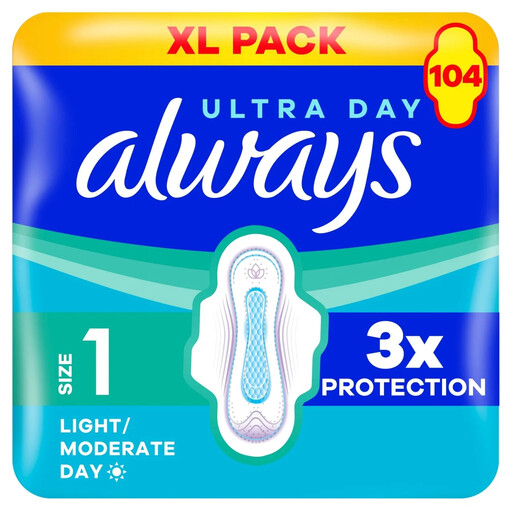
Why This Fits Their Persona: A large 104-pad pack is suited to regular daytime menstrual protection where a standard size is appropriate.
The normal Size 1 format makes the intended coverage clearer than choosing by pack size alone.
Ultra-thin construction; 104 individual pads for maintaining a regular household supply.
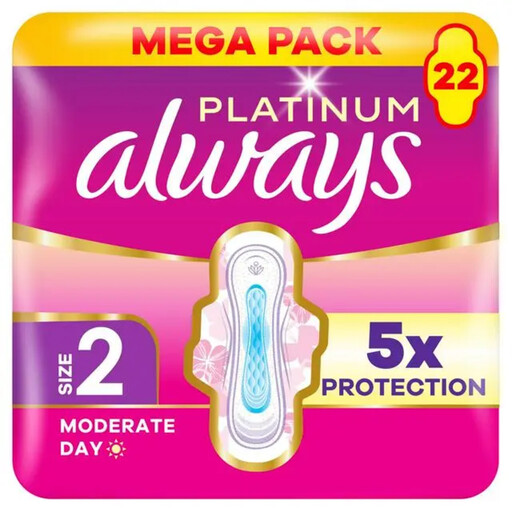
Why This Fits Their Persona: The long Size 2 format and winged design suit medium-flow days when softness and secure positioning matter.
The product specifies both length and wings, helping buyers assess coverage instead of relying on “premium” wording alone.
Long design; adhesive wings; ultra-thin breathable construction.
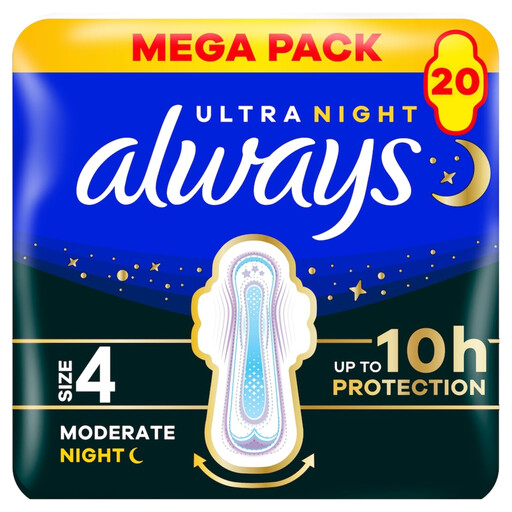
Why This Fits Their Persona: Designed for medium to heavy menstrual flow and overnight use, with an extended rear area for sleeping positions.
Its Size 4 night specification and wings make it more suitable for sleep than a standard daytime pad.
Extended rear coverage; winged fastening; pack of 20.
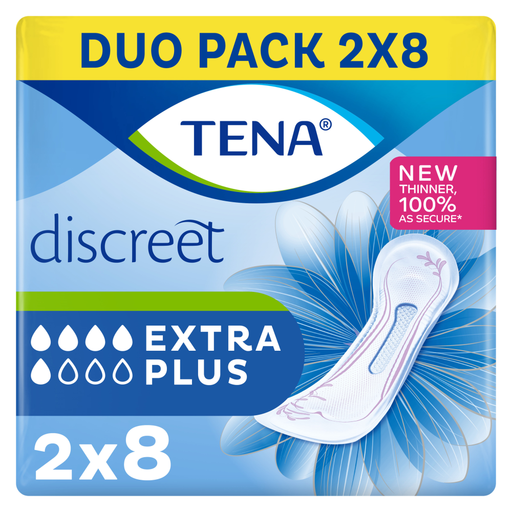
Why This Fits Their Persona: A contoured option for women seeking medium to heavy bladder-leak protection during daily routines.
It is clearly labelled for bladder leakage rather than menstrual use and identifies a fragrance-free design.
Contoured shape; individually wrapped pads; product description lists odour and moisture protection.
We have compiled a complete, real-time list of products that fully satisfy these strict selection criteria and UK safety regulations.
Change a pad when it feels wet, full or uncomfortable, and follow the product’s packaging guidance. Many disposable pads are intended for regular replacement throughout the day rather than extended continuous wear. More frequent changes may be needed during heavier flow, warmer weather or physical activity.
Generally, no. Incontinence pads are designed for urinary leakage, while menstrual pads are made for menstrual flow. Check the product label carefully, as some products specifically state that they should not be used for menstrual protection.
Select a product labelled for night use, with sufficient length, rear coverage and wings if you tend to move while sleeping. For heavy flow, compare the stated size and absorbency category rather than choosing solely by thickness. A secure fit inside well-fitting underwear also helps prevent shifting.