
24/7 Customer Support

Free returns

Same-day & Next-day Delivery

Quality Guaranteed

Unlock Your Welcome Offers: FREE Delivery | Up to 80% OFF | Free 30-day JoyPlus trial
Download the APP
Navigating the world of outdoor gear can be a minefield of technical jargon and ambitious marketing claims. For anyone living in the UK, a reliable waterproof jacket isn't a luxury; it's an essential. The women's 3 in 1 waterproof jacket promises ultimate versatility—a single purchase to cover you through blustery autumn walks, frigid winter commutes and damp spring showers.
However, many buyers find their all-season solution failing after just one season. Before you invest, it's crucial to understand the common pitfalls that lead to disappointment and a soggy walk home.
To find a truly dependable all-weather hiking jacket, you need to look past the marketing and focus on a few key performance indicators. Understanding these will help you select a jacket that performs as promised.
True waterproofing is about more than just the fabric. It's a combination of material and construction.
A jacket's ability to let water vapour (sweat) escape is measured by its Moisture Vapour Transmission Rate (MVTR), rated in grams per square metre per 24 hours (g/m?/24h).
windproof trekking jacket with an MVTR of 10,000g or higher is recommended to keep you dry and comfortable. This is a critical feature of any good women's technical shell.The core appeal of this jacket is its modular design. A well-designed system offers genuine year-round functionality. It typically consists of:
fleece lined walking jacket or insulated layer that provides warmth.camping coat with removable liner.We've filtered the options to match different needs, focusing on products that address the common pitfalls with solid specifications and durable construction.
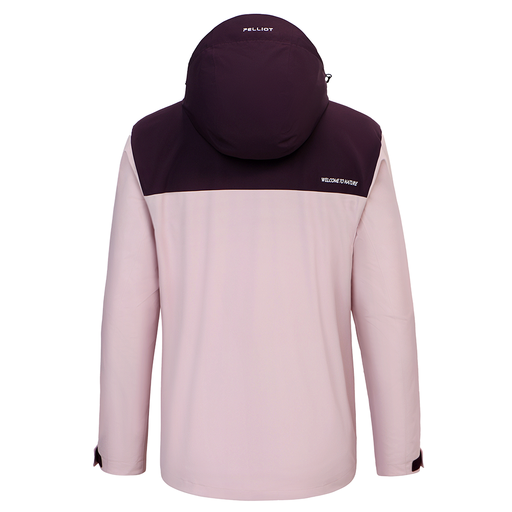
Why This Fits Their Persona: This jacket's 3-in-1 system is ideal for the UK's unpredictable weather, easily adapting from a rainy morning commute to a sunny but cool afternoon walk in the park. It offers practical features without being overly technical for daily life.
It features a microporous waterproof membrane with high-density seam taping, providing true waterproof protection, not just resistance. The breathable fabric prevents the clammy feeling common in lesser jackets.
A smart 3-in-1 system offers year-round value. The shell is scratch-resistant, adding durability for everyday wear and tear.
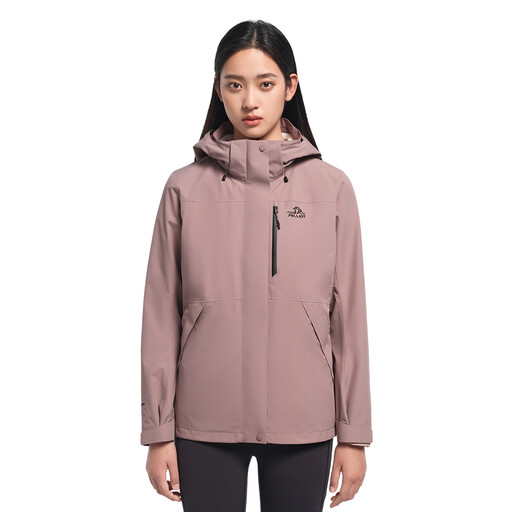
Why This Fits Their Persona: For those who venture into the mountains or go on multi-day treks, technical performance is non-negotiable. This jacket's high-level specifications are designed for challenging outdoor conditions, from wind-swept ridges to sudden downpours.
It boasts a storm-proof 35,900mm H?O waterproof rating and an excellent 16,000g/m?/24h breathability rating. This combination ensures you stay dry from both heavy rain and internal moisture during strenuous hikes.
The outer shell is highly abrasion-resistant, designed to withstand contact with rocks and branches. The anti-static inner fleece liner adds comfort in dry, cold conditions.
While a versatile 3-in-1 jacket is an excellent investment for all-season use, sometimes a more specific solution is needed. For those milder days or when you prefer a different style, you might also consider other options.
We have compiled a complete, real-time list of products that fully satisfy these strict selection criteria and UK safety regulations.
Always check the care label first. As a general rule, you should separate the outer shell from the fleece liner. Wash them on a gentle, cool cycle using a liquid detergent specifically designed for technical outerwear, as standard powders can clog the waterproof membrane. Close all zips and fastenings before washing. Avoid fabric softeners completely. It is often recommended to air dry the jacket or tumble dry on a very low heat setting, as this can help reactivate the water-repellent coating.
This depends on the design, but modern 3-in-1 jackets are far more streamlined than their predecessors. The key is versatility. For much of the year, you will likely only wear one layer—either the lightweight waterproof shell on a rainy autumn day or the fleece liner on a crisp, dry morning. You only combine them for the coldest winter days, so for most of the year, it is no bulkier than a standard jacket.
The 'mm' rating refers to the Hydrostatic Head test. In simple terms, it measures how tall a column of water the fabric can hold before it starts to leak.