
24/7 Customer Support

Free returns

Same-day & Next-day Delivery

Quality Guaranteed

Unlock Your Welcome Offers: FREE Delivery | Up to 80% OFF | Free 30-day JoyPlus trial
Download the APP
Choosing women's disposable pads is not simply a matter of selecting the largest pack or the product with the boldest absorbency claim. Periods, bladder weakness, postpartum bleeding and breastfeeding leaks require different designs. Buying the wrong type can lead to shifting, dampness, skin discomfort or paying for features you do not need.
This guide explains the practical details to check before buying sanitary pads, menstrual pads, incontinence pads for women or maternity breast pads, followed by recommendations matched to specific needs.
Menstrual and incontinence pads are designed for different fluid types and usage patterns. Period pads generally focus on managing menstrual flow, while bladder weakness pads are shaped to handle urine and may include odour-control features. A product labelled for one purpose should not automatically be treated as interchangeable with another.
For postpartum use, check whether the product is suitable for your requirements and follow the packaging instructions. If you have concerns about bleeding, irritation or recovery after birth, seek advice from a qualified healthcare professional.
Ultra-thin sanitary pads can feel less bulky under clothing, but thinness alone does not indicate the right protection level. Length, width, core construction and whether the pad has wings are equally important. A slim pad may suit daytime use or lighter flow, while a long sanitary pad with rear coverage may be more practical overnight.
A large pack can offer convenience, but only if the product matches your routine. Buying 88 daytime pads for occasional use may be less practical than choosing a smaller pack for a specific need. Conversely, a small six-pad pack may become expensive if used every day. Compare the price per pad, replacement frequency and storage space before ordering.
Do not rely on a single phrase such as “maximum protection”. Check the product’s stated size, intended flow level and dimensions where available. For overnight use, look for overnight sanitary pads with extra length or width at the back. This can provide more coverage when lying down, although fit and positioning still affect leakage protection.
For urinary leakage, choose incontinence pads for women with a body-shaped design and a core intended for urine. Products such as TENA Discreet Maxi list a 37.7 cm extra-long design, a Dry Fast Core and odour-control technology in their product information.
Absorbent pads with wings can help hold the pad around the gusset of underwear and reduce sideways movement. Check that the wings suit the underwear you normally wear. Adhesive should be applied to clean, dry fabric, and the pad should be centred rather than positioned too far forwards or backwards.
For nursing products, adhesive strips and a contoured shape can help the pad remain in place inside a bra. Replace a disposable nursing pad once it becomes wet rather than wearing it for an unnecessarily long period.
Review the material and warning information printed on the product packaging. Common components may include cellulose or wood pulp, non-woven fabric, polypropylene, polyethylene and superabsorbent polymer. If persistent redness, itching or discomfort occurs, stop using the product and seek appropriate advice.
Individually wrapped products are useful for handbags, work, travel and changing bags. Used pads must be placed in a waste bin; never flush sanitary pads or nursing pads down the toilet, as they can contribute to blockages.
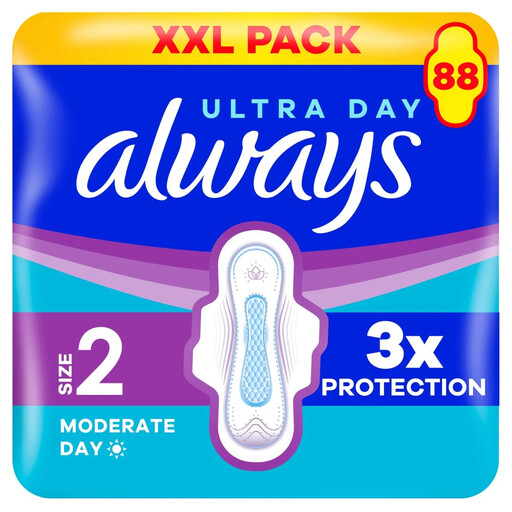
Why This Fits Their Persona: The 88-pad pack is practical for shoppers who want a sizeable supply of daytime menstrual pads for regular use and would like to compare cost per pad.
Its long Size 2 format gives more coverage than a standard daily pad, while the pack quantity makes the total purchase easier to assess against usage.
Long design; ultra-thin construction; 88 individual pads; materials listed as polypropylene, polyester, wood pulp and superabsorbent polymer.
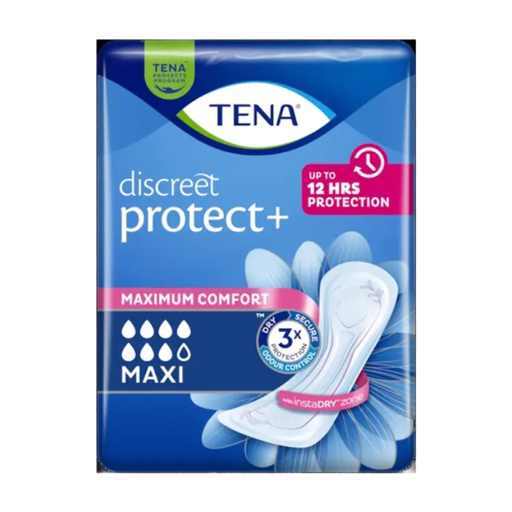
Why This Fits Their Persona: Suitable for shoppers prioritising a body-shaped fit, a textile-like surface and discreet daytime protection for bladder weakness.
It is clearly positioned as a bladder weakness pad rather than a general menstrual pad, helping shoppers match the product to the type of leakage involved.
Extra-long 37.7 cm format; Dry Fast Core; odour-control technology; silky soft surface; six pads per pack.
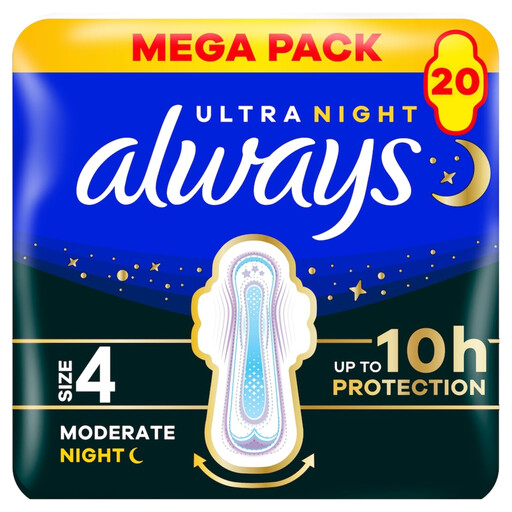
Why This Fits Their Persona: A practical option for medium or heavier menstrual flow, changing sleeping positions or anyone wanting a larger overnight pad with wings.
The Size 4 format, rear coverage and flexible wings address the common problems of insufficient length and pad movement during sleep.
20-pad pack; wings; oversized Size 4 design; extended rear coverage; odour-control feature listed in the product information.
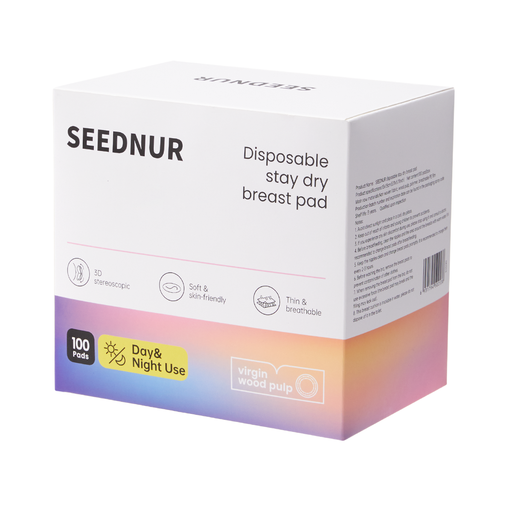
Why This Fits Their Persona: Individually wrapped breastfeeding pads are convenient for changing bags, work or journeys, particularly when frequent replacements are part of the daily routine.
The product is specifically described as a nursing pad, so it avoids the mistake of using period or bladder weakness pads for breast milk leakage.
100 individually wrapped pads; stated 1 mm ultra-thin design; contoured shape; two adhesive strips; breathable construction.
We have compiled a complete, real-time list of products that fully satisfy these strict selection criteria and UK safety regulations.
Change a pad when it becomes wet, saturated or uncomfortable, and follow the product’s own instructions. Timing varies with flow, leakage level, activity and the type of pad. Avoid wearing a damp product for longer than necessary.
They can be, particularly when they include rear coverage and wings, but check the stated purpose and size. Position the pad centrally in close-fitting underwear and replace it after waking or sooner if it becomes wet.
Menstrual pads are not automatically suitable for urinary leakage. Incontinence pads for women are designed for that use and may include features such as a urine-absorbent core, body-shaped fit and odour control. Select the category that corresponds to your needs and review the packaging before purchase.