
24/7 Customer Support

Free returns

Same-day & Next-day Delivery

Quality Guaranteed

Unlock Your Welcome Offers: FREE Delivery | Up to 80% OFF | Free 30-day JoyPlus trial
Download the APP
Choosing between women’s razors, a facial hair remover, an epilator, IPL and hair removal cream depends on more than the advertised result. Skin sensitivity, treatment area, running costs and how much time you have all affect whether a product earns regular use or ends up forgotten in a bathroom drawer.
The right option should match your routine. A razor may suit quick body hair removal, while a rechargeable epilator can reduce how often you need to groom. Facial tools require precision, and IPL devices involve more preparation and a regular treatment schedule.
Razors cut hair at skin level, so they are convenient but usually require frequent use as hair grows back. An epilator removes hair from the root, which can mean a longer interval between sessions but may feel less comfortable, particularly for first-time users.
IPL works differently again. It uses light-based treatment and requires repeated sessions according to the manufacturer’s instructions. It is not suitable for every combination of hair colour and skin tone, so check the product guidance before buying.
Labels such as “sensitive” or “skin-friendly” do not guarantee that every user will react comfortably. Fragrance, shaving lubricants, pressure, repeated passes and chemical ingredients can all affect skin comfort.
For sensitive skin hair removal, check the ingredient list on creams and lubricated blades. Follow patch-test instructions where provided, and do not use products on broken, inflamed, sunburnt or irritated skin.
The initial price is only part of the cost. Razors need blade refills, creams need replacing, and battery-powered portable hair removers require AA batteries. Corded epilators avoid charging interruptions but need access to a socket.
For UK shoppers, also check the plug specification. Some low-power appliances include a UK 2-pin plug and may require a suitable adapter for a standard three-pin socket.
A facial hair remover should be compact and precise, while a body device needs a suitable head, grip and speed setting. Dermaplaning tools are intended for controlled facial use and should be held at the recommended angle. They are not a substitute for a body razor.
Epilators can remove short hairs from the root, but trimming longer hair first may make the process more manageable. For daily touch-ups, a small rotary or trimming device can be more convenient than setting up a full-body routine.
A waterproof women’s epilator can be used in the bath or shower, which may suit users who prefer wet skin and easier clean-up. A dry-only model should be kept away from water and cleaned according to its instructions.
Do not assume that a washable head means the complete appliance is waterproof. Check the manufacturer’s specifications before rinsing any electrical device.
A rechargeable epilator should provide enough cordless time for the intended area. The Braun Silk-épil 9 listed below offers up to 50 minutes after a full charge, while a corded model provides continuous power.
Look for washable heads, cleaning brushes or replaceable blades. Never share razors or facial hair removers, and replace damaged or blunt cutting parts to reduce the chance of discomfort or injury.
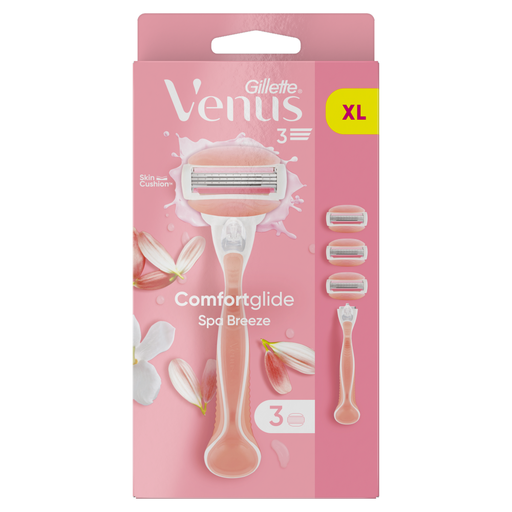
Why This Fits Their Persona: A straightforward choice for regular leg, underarm and body shaving without charging or complicated settings.
The reusable handle accepts compatible Venus blade refills, so the whole razor does not need replacing each time.
Three blades, a pivoting head and a flexible gel bar support controlled shaving with less need for separate shaving gel.
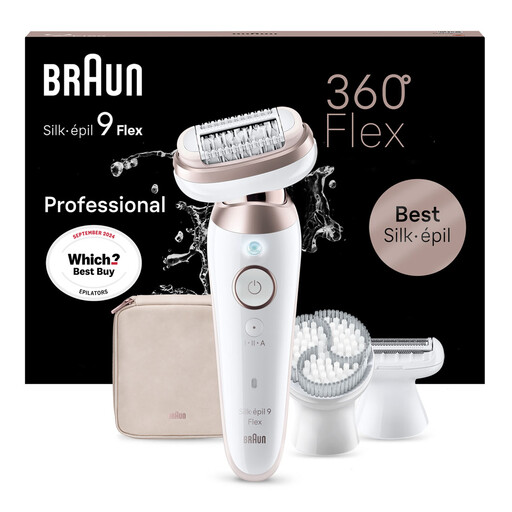
Why This Fits Their Persona: Suitable for shoppers wanting a rechargeable epilator with multiple attachments and wet or dry flexibility.
Its flexible head, pressure sensor and selectable attachments give more control than relying on one fixed shaving head.
Wet and dry use, 40 tweezers, a shaver head, trimmer cap and up to 50 minutes of cordless operation.
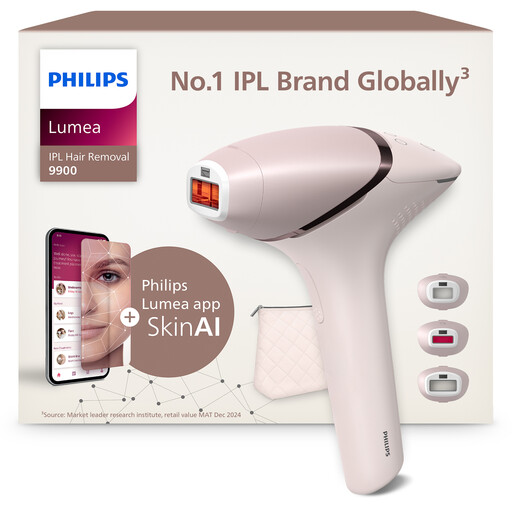
Why This Fits Their Persona: Designed for shoppers considering a structured, longer-term body hair reduction routine rather than frequent shaving.
The product information clearly states unsuitable hair and skin combinations, helping shoppers check compatibility before purchase.
It offers corded and cordless use, three attachments and five light settings; follow the supplied schedule and safety guidance.
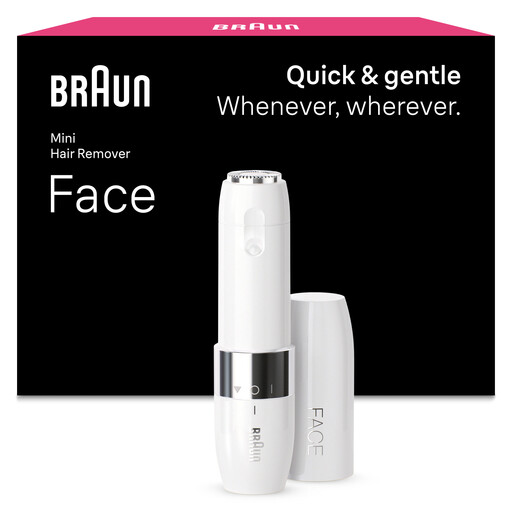
Why This Fits Their Persona: A discreet, lightweight option for facial peach fuzz and quick touch-ups at home or while travelling.
It is designed specifically for facial hair rather than being marketed as a general body device, with clear dry-use safety instructions.
The rotary cutting system, built-in light, AA battery and cleaning brush support simple maintenance and portable use.
We have compiled a complete, real-time list of products that fully satisfy these strict selection criteria and UK safety regulations.
A facial hair remover with a protective head, controlled cutting system and dry-use instructions can be easier to manage than a body razor. Check the safety guidance, avoid irritated skin and stop using the device if discomfort occurs.
A reusable handle or electrical device can last considerably longer than a disposable item when cleaned and stored correctly. Blade life depends on frequency and hair thickness. Replace blades when they become blunt, damaged or less comfortable. For rechargeable models, battery capacity may gradually decline with use.
Include replacement blades, batteries, creams and electricity in your budget. A corded epilator avoids battery purchases, while an AA-powered portable hair remover is convenient but needs occasional battery replacement. IPL may have a higher initial cost but does not normally require blade or cream refills.