
24/7 全天候客户支持

免费退货

当日/次日达

品质保障

开启新人专享福利: 全场免邮 | 低至 2 折 | 免费试用 30 天 JoyPlus 会员
下载 Joybuy
Choosing women’s health supplements can become confusing when similar-looking products contain very different ingredients, serving sizes and warnings. A prenatal formula is not interchangeable with a daily multivitamin, while herbal products marketed for “hormone balance” may not be appropriate during pregnancy or alongside medicines.
This guide explains what to check before buying, highlights common marketing pitfalls and matches selected products to different shopping needs.
General women’s multivitamins may contain ingredients that are unsuitable during pregnancy, or may not provide the nutrient profile recommended for this life stage. If you are planning pregnancy, pregnant or breastfeeding, look for a clearly stated intended use and check the label with a midwife, GP or pharmacist where appropriate.
The UK recommendation commonly associated with pre-pregnancy and early pregnancy is folic acid 400 micrograms daily, normally taken before conception and through the first 12 weeks. Some people may need a different dose following medical advice, so do not assume that a higher-strength product is automatically more suitable.
A long list of vitamins does not necessarily make a supplement suitable for your routine. Check the amount per daily serving, not just the number of ingredients. A product may require one tablet, two capsules or a tablet-and-oil combination.
Combining a prenatal vitamin with separate folic acid, iron, vitamin D or omega-3 DHA supplements can also lead to unnecessary duplication. Compare the full nutrition panel before purchasing.
Terms such as “hormone balance supplements”, “metabolism support” or “female wellness” describe a shopping category rather than a guaranteed outcome. Ingredients including evening primrose oil, chasteberry, motherwort and fenugreek have specific cautions. Several products are not recommended during pregnancy or breastfeeding, and some require additional care if you take prescription medicines.
Start by identifying your current need:
Compare nutrient quantity per daily dose, serving frequency and pack size. For example, one bottle may contain 60 tablets but require two tablets daily, while another may provide one tablet daily. A dual pack containing an omega-3 capsule and a multivitamin tablet needs to be assessed as one complete daily serving.
For omega-3 DHA supplements, check the stated DHA amount, not just the total fish oil weight. Also check whether the capsule contains fish or bovine gelatin if you have dietary, allergy or religious requirements.
Read the complete ingredients list before ordering. Common points to check include:
Formulations and packaging may change, so use the label supplied with the product as the final reference.
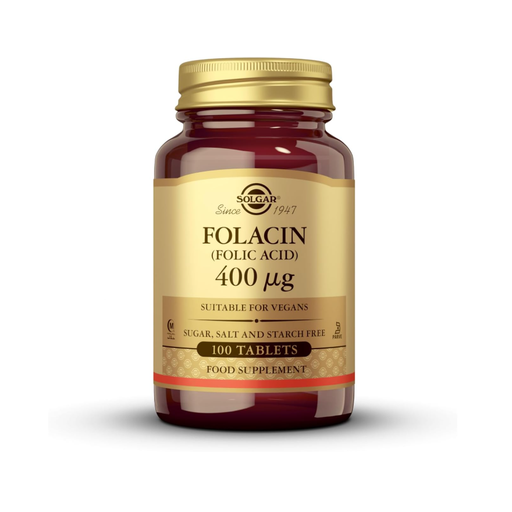
Why This Fits Their Persona: A straightforward option for adults seeking a standalone folic acid supplement while planning pregnancy or discussing folate intake with a healthcare professional.
The label states 400 µg folic acid per tablet and one tablet daily, making the serving easier to compare than a broad multi-ingredient formula.
100 tablets; one-tablet daily direction; suitable for adults needing folic acid supplementation.
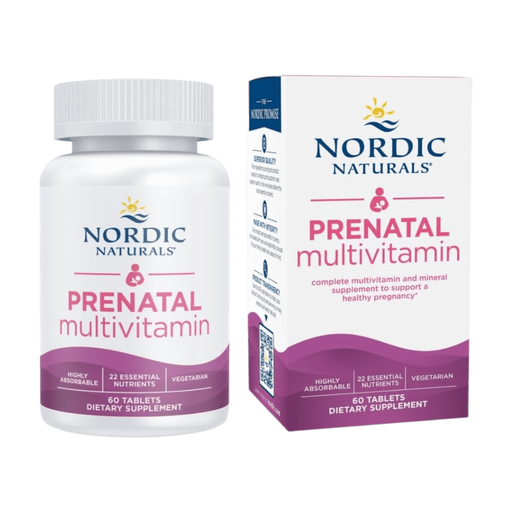
Why This Fits Their Persona: Suits shoppers seeking a broader prenatal formula with multiple vitamins and minerals in one planned daily routine.
Its nutrition panel lists the quantity of each vitamin and mineral, including folate, iron, iodine, vitamin D and choline, rather than relying only on general wellness wording.
Two-tablet daily serving; free from gluten, wheat, soya, milk derivatives and synthetic dyes according to the supplied product information.
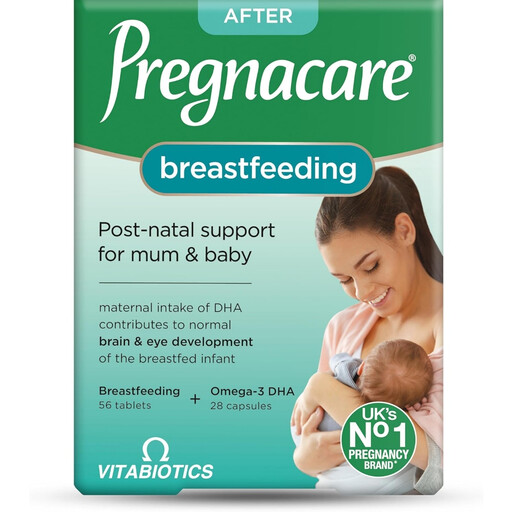
Why This Fits Their Persona: Designed for breastfeeding women who want a dedicated postnatal formula with a separate omega-3 capsule.
The product is labelled for breastfeeding rather than presenting itself as a universal prenatal supplement, helping shoppers separate pregnancy vitamins from breastfeeding supplements.
Includes 400 µg folic acid in the tablet and 300 mg DHA in the omega-3 capsule; contains fish and soya.
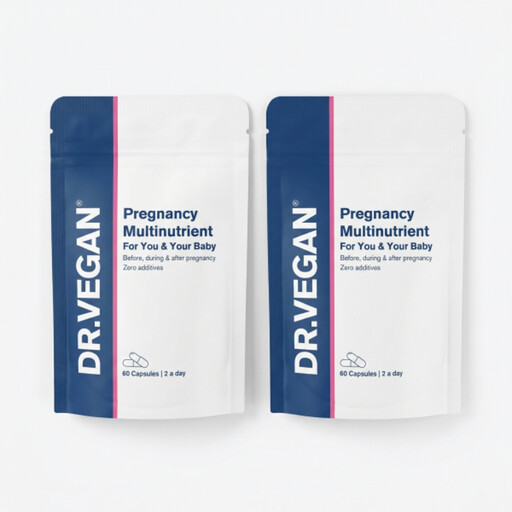
Why This Fits Their Persona: A practical match for pregnant or breastfeeding women seeking a vegan-friendly prenatal-style formula with a two-capsule daily serving.
The listed capsule shell is hydroxypropyl methylcellulose, and the product information states that it is free from dairy, lactose, soya, wheat and gluten.
Provides folate, iron, iodine, vitamin D3, vitamin B12 and choline; two capsules can be taken together or separately.
For non-pregnancy-specific needs, compare products by the active ingredient and its restrictions. Evening primrose oil products commonly state the oil quantity and GLA amount; however, they are not a substitute for medical care. Fenugreek capsules may be positioned for metabolic support, but the supplied products are not recommended during pregnancy or lactation. Chasteberry and other botanical hormone balance supplements also require caution if you use medicines or have a hormone-sensitive condition.
If your priority is a broader daily formula, products such as women’s multivitamins may include iron, vitamin B6, vitamin D, zinc and folic acid. Check for allergens and whether the product includes fish oil, soya or gelatin before ordering.
We have compiled a complete, real-time list of products that fully satisfy these strict selection criteria and UK safety regulations.
UK guidance commonly recommends 400 micrograms of folic acid daily before pregnancy and during the first 12 weeks. A prenatal multivitamin may be suitable for some people, but discuss your circumstances with a GP, pharmacist or midwife, particularly if you have a medical condition or take medication.
No. Some products are designed specifically for pregnancy, while others are labelled for breastfeeding. Their nutrient levels and additional ingredients can differ. Use the product’s stated life-stage guidance and avoid combining several multivitamins without professional advice.
Compare the cost per daily serving rather than the pack price. Check whether a 60-capsule bottle provides 30 or 60 days, confirm the recommended dose and avoid paying for duplicated nutrients across multiple products. A simple formula may be more practical than several overlapping supplements.