
24/7 Customer Support

Free returns

Same-day & Next-day Delivery

Quality Guaranteed

Unlock Your Welcome Offers: FREE Delivery | Up to 80% OFF | Free 30-day JoyPlus trial
Download the APP
Advice from the Joybuy Product Recommendation Officer
Choosing women’s health supplements is not simply a matter of picking the bottle with the longest ingredient list. UK shoppers are often comparing women’s multivitamins, menopause supplements, antioxidant supplements and daily wellness supplements without knowing which specifications genuinely matter.
The right choice depends on your age, diet, existing supplements, intended use and any medicines you take. Use this guide to avoid common marketing traps and compare formulations more objectively.
A formula containing 20 or more nutrients may appear economical, but it can include ingredients you do not need or already obtain from another product. This increases the risk of overlapping nutrients, particularly vitamin D, zinc, selenium, iron and folate.
Check the amount per daily serving, not just the number of ingredients. A shorter formula such as vitamin C and zinc tablets may be more suitable if your priority is straightforward immune and general nutritional support.
Menopause supplements containing red clover, evening primrose oil or dong quai are commonly marketed around hormonal balance or menopausal comfort. However, traditional use does not guarantee the same experience for every person. Treat herbal products as targeted dietary supplements rather than replacements for medical advice.
Be particularly cautious if you are pregnant, breastfeeding, taking hormone therapy, using blood thinners or managing a long-term condition.
“Natural” does not automatically mean vegan, vegetarian or allergen-free. Gelatine may be used in softgels and capsules, while fish oil, soya, milk, gluten or sulphites can appear in otherwise broad wellness formulas.
Always read the current label supplied with the product. Product formulations, packaging and instructions can change.
Compare the actual nutrient or botanical amount per capsule, tablet or serving. For example:
A higher number is not automatically more appropriate. Follow the stated daily dose and do not combine several high-strength products without checking their total intake.
For vegan supplements, look for a clearly stated vegan capsule or tablet and inspect the full ingredients list. A product may be plant-based but manufactured in a facility handling milk, soya or gluten.
For omega-3 supplements, confirm the source is fish oil or algae oil and check the capsule shell. Products using beef gelatine or standard gelatine are not suitable for vegans.
A product that fits your routine is more practical than one with an inconvenient serving schedule. Compare:
For instance, a 120-tablet pack taken once daily provides four months of use, while a three-tablet daily formula may provide only 28 days despite appearing larger.
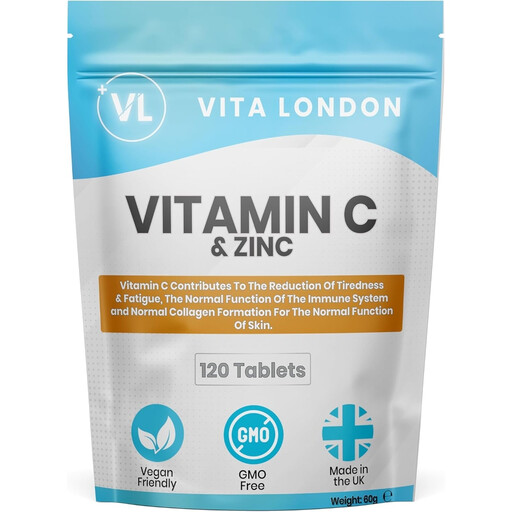
Why This Fits Their Persona: A simple once-daily option for adults beginning a supplement routine, including shoppers seeking vegan supplements without a lengthy ingredient list.
The formula lists 100mg vitamin C and 20mg zinc per tablet, making the daily intake easy to compare. It is described as vegan and free from gluten, wheat, dairy and soya, but the current label should still be checked.
120 tablets provide a stated four-month supply at one tablet per day; the small tablet format may suit shoppers who dislike bulky capsules.
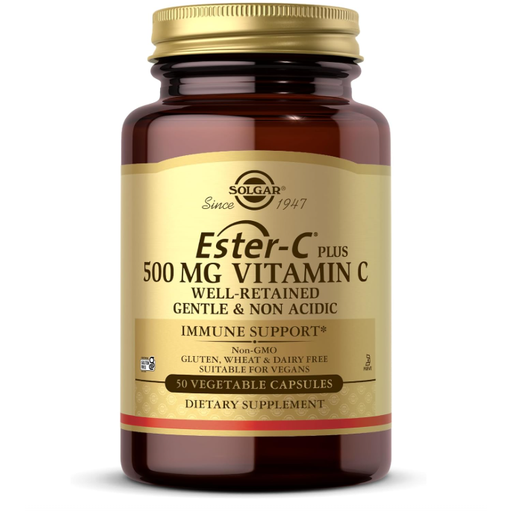
Why This Fits Their Persona: Suitable for adults wanting a vegan vitamin C capsule with additional citrus bioflavonoids and botanical ingredients in a more targeted antioxidant formula.
The product clearly states 500mg vitamin C per vegetable capsule and provides a defined maximum of two capsules daily, helping shoppers avoid vague potency claims.
Vegan capsules include citrus bioflavonoids, acerola, rose hips and rutin; the 50-capsule pack is compact for regular use.
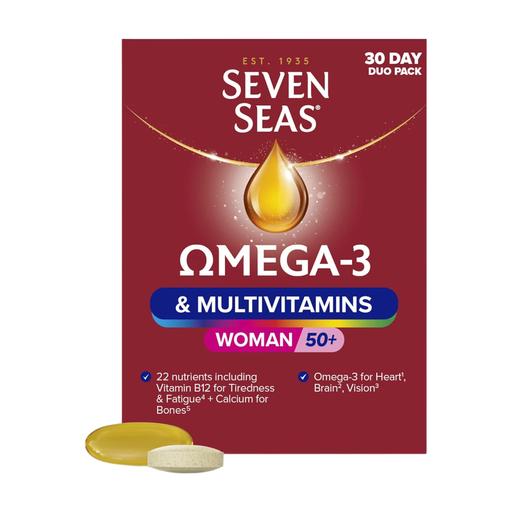
Why This Fits Their Persona: Designed for women aged 50 and over who prefer a combined omega-3 and multivitamin routine covering bone, nutrition and general daily wellbeing.
It separates the nutritional tablet from the fish-oil capsule and states the omega-3 breakdown: 300mg total, including 160mg EPA and 100mg DHA.
The 30-day duo pack includes 22 vitamins and minerals, calcium and vitamin D; it contains fish and beef gelatine, so it is not suitable for vegans.
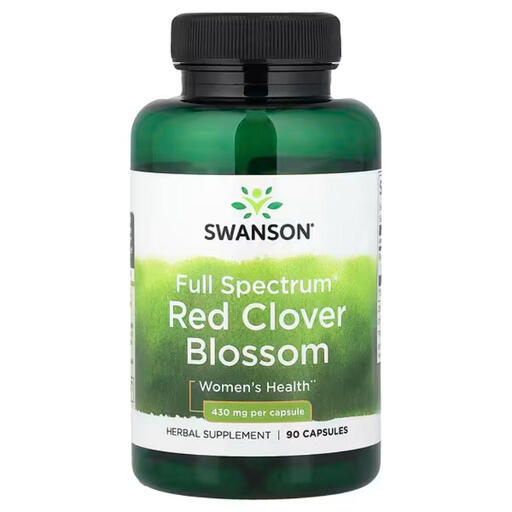
Why This Fits Their Persona: A once-daily herbal option for adult women specifically comparing red clover capsules for menopause-related nutritional routines.
The label identifies 430mg of red clover blossom per capsule rather than presenting only a broad hormonal-wellbeing message. It also states important medication and pregnancy cautions.
The pack contains 90 capsules and uses a once-daily direction; check the capsule ingredients carefully, as the supplied information lists gelatine.
We have compiled a complete, real-time list of products that fully satisfy these strict selection criteria and UK safety regulations.
Shelf life varies by product and is shown by the Best Before End information on the label. Once opened, follow the storage instructions, keep supplements below the stated temperature where required, and protect them from moisture and direct sunlight. A pack’s duration depends on the daily serving, not simply the capsule count.
You may duplicate nutrients when combining products. Check vitamin C, vitamin E, zinc, selenium, folate and other overlapping ingredients before starting a second supplement. If you take prescription medicines, have a medical condition, or are pregnant or breastfeeding, ask a GP, pharmacist or other qualified healthcare professional first.
Vegan formulas can suit people avoiding animal-derived ingredients, but vegan status does not determine whether a product is appropriate for your personal needs. Check dosage, allergens, capsule materials and the full ingredient list. Supplements should complement a varied, balanced diet rather than replace it.