
24/7 全天候客户支持

免费退货

当日/次日达

品质保障

开启新人专享福利: 全场免邮 | 低至 2 折 | 免费试用 30 天 JoyPlus 会员
下载 Joybuy
Choosing women's health supplements UK shoppers can rely on is not simply a matter of selecting the bottle with the longest ingredient list. Products marketed as women's multivitamins, menopause supplements and pregnancy supplements can differ considerably in dosage, allergens, format and suitability for different life stages.
The right choice depends on what you need, what you already take and whether the label provides enough information to make a sensible comparison.
A product containing 20 or 30 nutrients may look impressive, but some ingredients may be present in small amounts, while others may duplicate a separate supplement already in your cupboard. Compare the per-serving quantities, not just the number of ingredients.
High-dose formulas also need more care. For example, iron, iodine, vitamin D and vitamin K may not be appropriate for everyone, particularly if you take medication or have a diagnosed condition.
“Vegan”, “plant-based” and “clean label” descriptions should always be checked against the full ingredients and allergen section. Some women's daily vitamins contain soya, fish oil, gelatine or fish collagen. A product may also be unsuitable for people avoiding dairy, gluten or shellfish despite appearing broadly wellness-focused.
If you have an allergy or follow a specific diet, check the current packaging before ordering. Product formulations can change.
Women's wellness vitamins are intended to supplement a varied diet, not diagnose, treat or prevent illness. They should not replace advice from a GP, pharmacist or midwife.
This is particularly important for prenatal vitamins, herbal products containing phytoestrogens and supplements used alongside HRT, blood thinners or other prescription medicines.
Look for a complete nutrition table showing the amount per daily serving and the percentage of the Nutrient Reference Value (NRV) where applicable. A serving could mean one capsule, two gummies, three tablets or a tablet-plus-oil-capsule combination.
For general women's multivitamins, commonly compared nutrients include:
The amount of one nutrient should not be considered in isolation. For example, a high-strength women's daily vitamin may be unsuitable if you already use a separate high-dose product.
A standard multivitamin is not automatically suitable during pregnancy, breastfeeding or after menopause. Prenatal vitamins usually focus on folate, iron, iodine, vitamin D and other pregnancy-relevant nutrients. Some also include DHA through an omega-3 capsule.
For women aged 50 and over, a formula may place more emphasis on vitamin D, vitamin B12, calcium and omega-3. Meanwhile, menopause supplements may contain botanicals such as sage, red clover, maca or wild yam. These products require particular caution if you have a hormone-sensitive condition or use hormone medication.
Consider whether you can realistically take the stated serving every day. A once-daily capsule may be easier to maintain than a three-tablet formula, while gummies can suit people who dislike swallowing tablets.
Check the practical details:
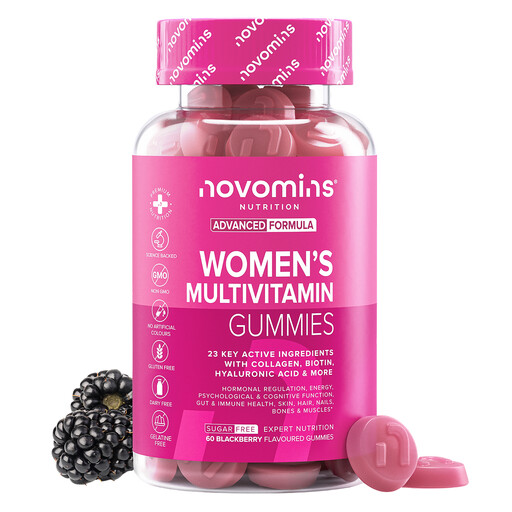
Why This Fits Their Persona: The two-gummy daily format offers a straightforward starting point for adults who find tablets difficult to swallow and want a one-month pack.
The label states the active quantities per two gummies, making it easier to compare the formula rather than relying on broad beauty or wellness language. Note that it contains fish collagen despite marketing references to vegan suitability, so check the current label carefully.
Sugar-free gummy format; provides vitamins A, C, D, E, K and B vitamins, plus iodine, zinc and selenium.
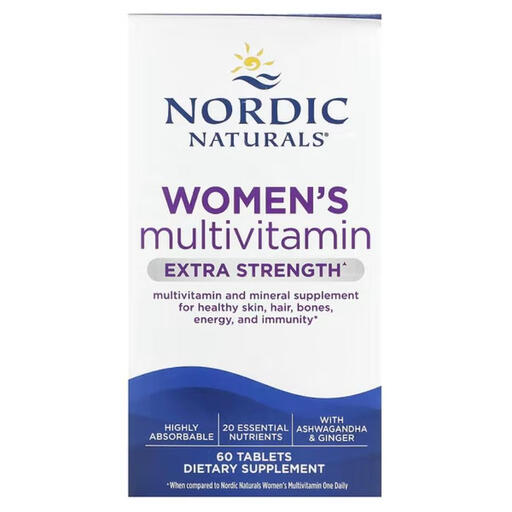
Why This Fits Their Persona: It suits adults seeking a higher-strength all-in-one product with vitamins, minerals and fish-derived omega-3s in a two-tablet daily serving.
It clearly lists the quantities of EPA and DHA alongside the vitamin and mineral table, helping shoppers distinguish omega-3 content from total fish oil.
Provides 560 mg total omega-3 per two tablets, including EPA and DHA; includes vitamin D3, folate, B12, iodine and magnesium.
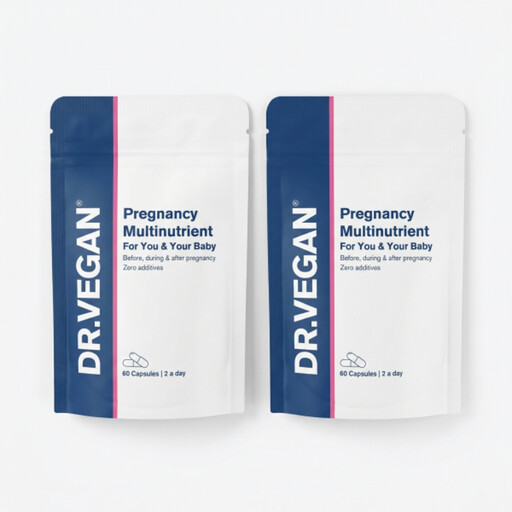
Why This Fits Their Persona: This is aimed specifically at pregnant and breastfeeding women who want a vegan-labelled prenatal formula and are comfortable taking two capsules daily.
The serving table identifies folate, iron, vitamin D3, iodine, B12 and choline instead of only using general pregnancy wording. Consult a midwife, GP or pharmacist before use.
Lists 400 µg folate, 15 mg iron, 25 µg vitamin D3 and 150 µg iodine per two capsules; free from gluten, wheat, soya, lactose and dairy according to the supplied details.
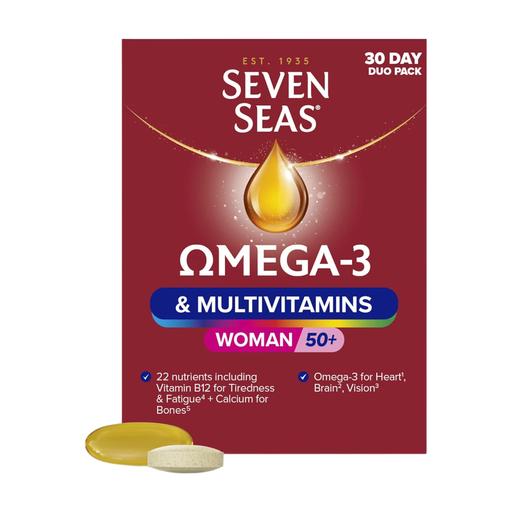
Why This Fits Their Persona: The duo pack is designed for women aged 50 and over who want a clearly separated multivitamin tablet and omega-3 capsule.
Its label separates the fish-oil amounts from the vitamin and mineral quantities, so shoppers can assess the daily intake without guessing.
Provides 300 mg omega-3 per capsule, including EPA and DHA; includes 35 µg vitamin B12, 25 µg vitamin D and 150 mg calcium per tablet.
We have compiled a complete, real-time list of products that fully satisfy these strict selection criteria and UK safety regulations.
Look for a product specifically labelled for pregnancy or breastfeeding, with clearly stated folate, iron, vitamin D and iodine quantities. Do not combine prenatal vitamins with another multivitamin unless a healthcare professional advises you to. Check the label for vitamin A forms and allergens, and ask a midwife, GP or pharmacist before starting.
Not necessarily. Herbal ingredients such as red clover, dong quai and other botanicals may not suit everyone or may interact with medicines. Read the warnings and seek advice from a pharmacist or doctor before using menopause supplements alongside HRT, contraceptives, blood thinners or treatment for a hormone-sensitive condition.
Check the serving size rather than the capsule count. A 60-capsule pack taken at two capsules per day lasts 30 days, while 90 tablets taken at three per day also provide 30 servings. Store supplements according to the label, keep them away from children and do not use them beyond the stated best-before date.