
24/7 Customer Support

Free returns

Same-day & Next-day Delivery

Quality Guaranteed

Unlock Your Welcome Offers: FREE Delivery | Up to 80% OFF | Free 30-day JoyPlus trial
Download the APP
Choosing women's health supplements can feel unnecessarily complicated. Shelves and search results are crowded with products promising hormonal balance, energy, intimate comfort and complete nutritional support. However, a colourful label does not automatically mean a suitable formula.
The sensible approach is to match the supplement to your life stage, diet, health goal and existing medicines. This guide explains the details worth checking before you buy, with practical options for different UK shoppers.
A formula containing dozens of vitamins, minerals and botanical extracts may look comprehensive, but it can also create unnecessary overlap with products you already take. Check the serving size, not just the tablet count, and compare the actual nutrient amounts per daily serving.
For example, some women’s multivitamins provide three tablets per day, while others require one or two capsules. A larger pack is not necessarily more economical if the recommended daily intake is higher.
Terms such as “detox”, “hormone reset” or “clinically proven” can be misleading when they are not supported by clear, relevant information. Herbal products should be judged by their listed ingredients, dosage and warnings rather than broad promises.
PMS supplements containing chaste berry, saffron or adaptogenic herbs may appeal to women seeking cycle-related support, but they are not suitable for everyone. Anyone using hormonal contraception, hormone replacement therapy or prescription medicines should ask a pharmacist or GP before use.
Pregnancy supplements, breastfeeding vitamins and general female wellness supplements are not interchangeable. A prenatal product may contain iron, iodine, folate or DHA, while an everyday multivitamin may include ingredients unsuitable during pregnancy.
Always check the current packaging for allergens, including fish, soya, milk, gluten and gelatine. This is particularly important when choosing vegan women’s supplements or products for a plant-based diet.
Start with one clear purpose:
Compare the product’s daily serving with other supplements in your cupboard. Taking a multivitamin alongside separate vitamin D, iron, folic acid or hormonal balance supplements can increase total intake unnecessarily.
Pay special attention to vitamin A, vitamin B6, iron, iodine and zinc, as high intake may not be appropriate for every person. Follow the label and do not exceed the stated dose.
Tablets, capsules and softgels differ in size and convenience. A dual pack may offer both a multivitamin and DHA capsule, but it also means remembering two products. Refrigeration-free women’s probiotics can be more practical for commuting or travel, whereas some formulas may have specific storage instructions.
Look for transparent ingredient lists, a batch or best-before marking, sealed packaging and a UK-compliant label. Supplements should complement a varied diet, not replace it.
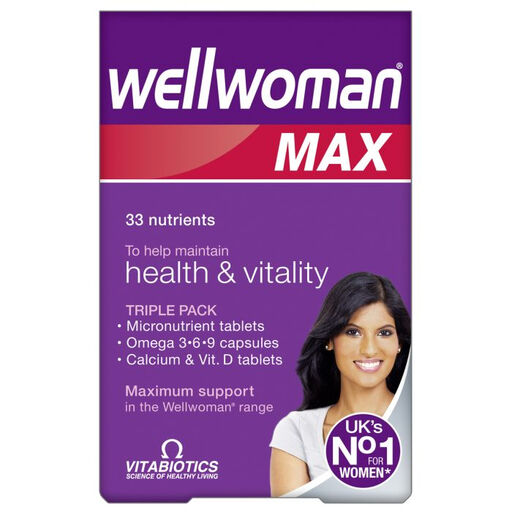
Why This Fits Their Persona: A 28-day pack suits shoppers who want one clearly structured daily multivitamin routine rather than several separate bottles.
The label sets out a three-tablet daily serving and provides amounts for each nutrient, making comparison more straightforward than relying on headline ingredient counts.
Includes folic acid 400µg, iron 14mg, vitamin D3 15µg and magnesium 100mg per stated daily serving.
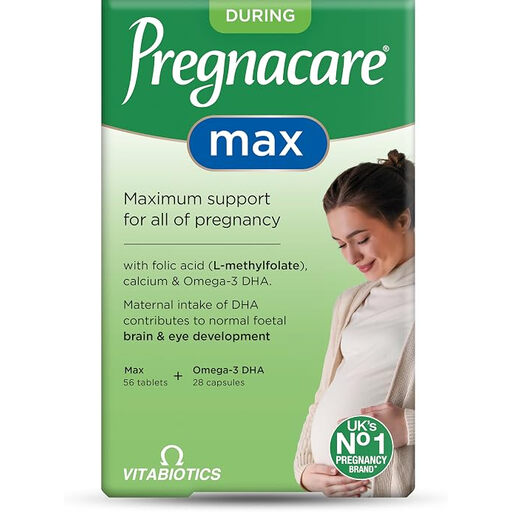
Why This Fits Their Persona: Suitable for pregnant shoppers who prefer a combined tablet and omega-3 format rather than buying separate prenatal vitamins and DHA.
It identifies the contents of both parts separately, including DHA, EPA, folic acid, iron, iodine and calcium, so the complete daily intake is visible.
Provides 300mg DHA and 60mg EPA per omega-3 capsule, alongside 400µg folic acid per stated tablet serving.
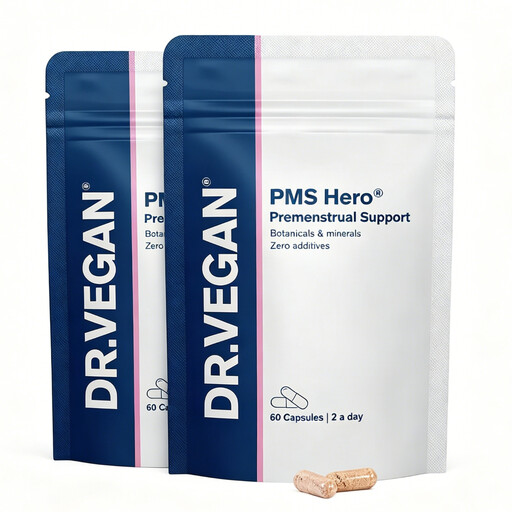
Why This Fits Their Persona: Designed for adult women looking for a focused PMS supplement rather than a broad everyday multivitamin.
Its serving information specifies the amounts of chaste berry, magnesium, vitamin B6, zinc and saffron, rather than presenting an unnamed proprietary blend.
Vegan capsule formula; two capsules provide 150mg magnesium, 10mg vitamin B6 and 10mg zinc according to the supplied label.
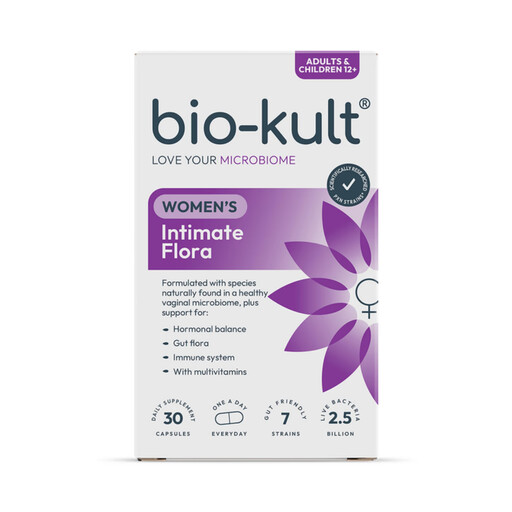
Why This Fits Their Persona: A practical choice for adults seeking a one-capsule daily intimate health routine that is easy to store at home or take while travelling.
The product specifies a one-capsule serving and states that refrigeration is not required, avoiding unclear storage expectations.
Contains multiple live bacterial strains and uses a vegetarian capsule; the pack contains 30 capsules.
If you are preparing for pregnancy, the dedicated taking charge of your fertility range can help you compare folic acid and prenatal options in one place.
During pregnancy or breastfeeding, consult a midwife, GP or pharmacist before starting a new formula, particularly if you take medication or have a medical condition. Avoid combining multiple prenatal products unless advised to do so. For breastfeeding vitamins, check whether the formula is specifically labelled for lactation and whether it contains fish, soya or gelatine.
Shelf life varies by product. Keep bottles closed, dry and away from direct sunlight, and follow the best-before date and storage instructions on the packaging. Do not use a product if the seal is broken or the capsules have changed in appearance.
Sometimes, but compare the full nutrient panels first. Both products may contain vitamin B6, magnesium, zinc or folate. Ask a pharmacist for advice if you take medicines, hormonal contraception, anticoagulants or hormone replacement therapy.
They are intended as food supplements, but suitability varies. Pregnant or breastfeeding women and people with immune-related conditions should seek professional advice before use. Persistent intimate symptoms should be assessed by a healthcare professional rather than managed solely with supplements.
We have compiled a complete, real-time list of products that fully satisfy these strict selection criteria and UK safety regulations.