
24/7 Customer Support

Free returns

Same-day & Next-day Delivery

Quality Guaranteed

Unlock Your Welcome Offers: FREE Delivery | Up to 80% OFF | Free 30-day JoyPlus trial
Download the APP
Finding suitable women's incontinence pants can make daily routines, travel, sleep and post-partum recovery easier. However, packaging often focuses on phrases such as “maximum protection” or “all-day freshness” without explaining how the pants will perform for your particular level of bladder leakage.
The practical choice comes down to fit, absorbency, comfort and pack value. This guide explains the main buying pitfalls and compares several options for women looking for adult incontinence pants, pull-up incontinence pants or discreet underwear-style protection.
“High absorbency” does not mean every product suits every type of leak. A woman experiencing occasional stress leaks may find a full high-absorbency pant unnecessarily bulky, while someone managing moderate to heavy bladder weakness may need a more substantial absorbent core and side barriers.
Look for specific information about the intended use, such as moderate to heavy bladder weakness protection, and consider whether the product is described for daytime, overnight or larger-volume leaks.
A smaller size is not automatically more discreet. If the waistband or leg openings are too tight, the product may feel uncomfortable and the leakage barriers may not sit correctly. A loose fit can also create gaps around the legs.
Always check the manufacturer’s size guide and measure the waist or hip area as directed. If you are between sizes, compare the stated measurements rather than relying only on clothing size.
Disposable incontinence underwear is a personal-fit product. Fabric softness, waistband height, stretch and fragrance can all affect whether you are comfortable wearing it for several hours. Buying a multipack may reduce the cost per pant, but it can be poor value if the fit causes rubbing or the absorbency does not match your needs.
Start with a smaller pack where possible, then consider larger quantities once the size and design work for you.
For bladder leak pants, inspect more than the absorbency label. Useful design features include:
Absorbency needs vary. For moderate leaks, a standard pull-up may be sufficient. For heavier leaks, sudden urges or overnight use, consider high-absorbency incontinence pants with a larger core and stronger side protection.
Low-waist designs can sit comfortably under lower-rise clothing, while high-waist pants may provide more coverage around the stomach and back. Underwear-style products with stretch panels are generally easier to pull on and may move more naturally during commuting, shopping or household tasks.
For discreet incontinence underwear, check the product images and description for fabric thickness, colour and waistband design. Black or white pants with an underwear-like finish may feel more familiar than conventional continence products, but appearance should not replace checking the size and absorbency.
Some products include odour-control technology or an odour-neutralising layer. Treat this as a product feature, not a guarantee that odour will never occur. Regular changing, correct sizing and careful disposal remain important.
If you have sensitive skin, compare whether the product is perfume free and review the material information on the packaging. Some designs are described as dermatologically tested, but individual skin responses can differ. Stop using a product if irritation occurs and seek medical advice where appropriate.
These products are single-use. Wrap or seal used pants and place them in household waste according to local arrangements. Do not flush disposable incontinence underwear, as it can contribute to blocked pipes.
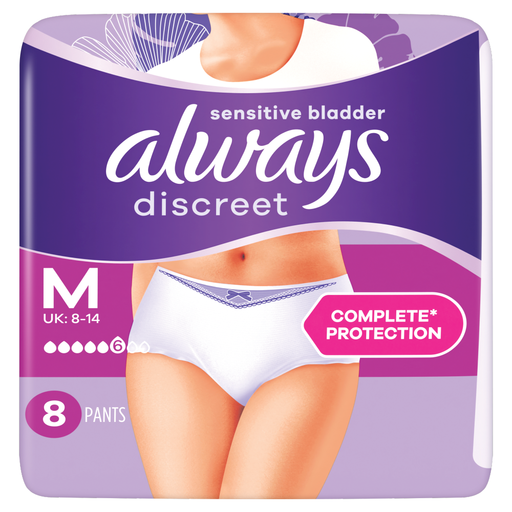
Why This Fits Their Persona: An eight-pant pack is a practical way to check size M, low-waist comfort and everyday protection before committing to a larger supply.
The product description identifies its size, low-waist profile, RapidDry core and Double LeakGuards, making comparison easier than relying on vague protection wording.
Eight pants per pack; flexible ComfortCore and 360° FormFit design; Odour Lock technology is listed as a product feature.
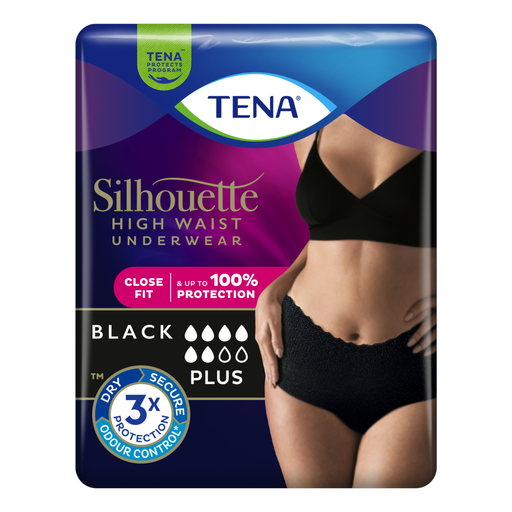
Why This Fits Their Persona: A black, high-waist underwear-style design may suit shoppers prioritising a lingerie-inspired appearance for work, evenings or travel.
The listing states that the material is soft, breathable, stretchy and perfume free, helping shoppers check comfort preferences before purchase.
High-waist silhouette; size L; eight pants; absorbent core and integrated odour and moisture protection features.
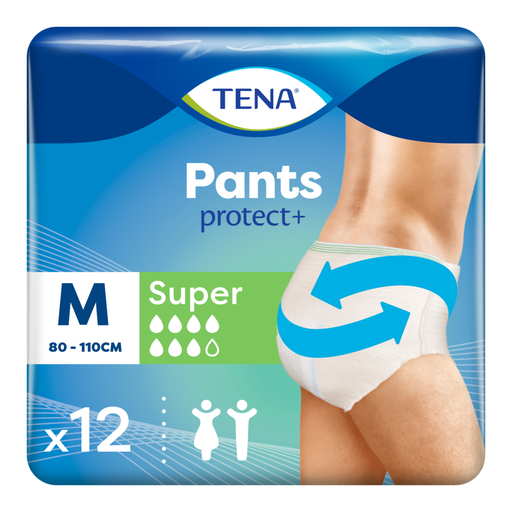
Why This Fits Their Persona: This size M pull-up is intended for moderate to heavy bladder weakness and may suit daytime activity, overnight use or carers supporting regular changes.
Its listed Dual Absorption Zone, integrated leakage barriers and side-tear seams provide clear practical details beyond a generic “heavy protection” label.
Twelve-pack format; breathable materials; side-tear removal; odour-neutralising layer and absorbent channels.
We have compiled a complete, real-time list of products that fully satisfy these strict selection criteria and UK safety regulations.
Bladder control problems can sometimes have an underlying cause or may be treatable. Speak with a GP or other qualified healthcare professional if leakage is new, worsening, painful or affecting everyday life.
There is no universal wearing time. It depends on the product’s absorbency, the amount of leakage and personal comfort. Change the pants when wet or soiled, or sooner if the skin feels damp. Overnight products may be designed for longer use, but they should still be changed if saturated or uncomfortable.
Some products are listed as suitable for post-partum incontinence pants, but comfort and sizing can vary during recovery. Check the product description, choose the correct size and consult a healthcare professional if leakage is heavy, painful or persists.
Divide the pack price by the number of pants to calculate the cost per change, then estimate daily use. A larger pack may reduce the unit cost, but only after confirming that the absorbency and fit work for you. Also allow for additional changes during travel, exercise or overnight use.