
24/7 Customer Support

Free returns

Same-day & Next-day Delivery

Quality Guaranteed

Unlock Your Welcome Offers: FREE Delivery | Up to 80% OFF | Free 30-day JoyPlus trial
Download the APP
Buying women’s incontinence pants can feel confusing. Packaging often focuses on phrases such as “maximum protection”, “overnight comfort” or “ultra-thin”, while the details that affect everyday use—fit, absorbency level, pack size and disposal—may be less prominent.
Whether you need light bladder leak protection, disposable underwear for postpartum recovery or high-absorbency incontinence pants for overnight use, compare the practical specifications rather than relying on promotional wording.
A medium from one manufacturer may fit differently from a medium from another. An overly loose waistband or leg opening can allow leakage, while a tight fit may cause rubbing and discomfort.
Check the manufacturer’s waist or hip measurements where available. Look for a close-fitting design with flexible fabric and secure leg gathers. Pull-up pants should sit comfortably against the body without digging in.
The term overnight incontinence pants describes an intended use, not a standard amount of liquid. Protection can vary significantly between products. Check whether the listing specifies a super-absorbent core, dual absorption zones, side barriers or an extra-wide absorbent area.
If you experience heavier leakage, a product designed for moderate to heavy incontinence may be more suitable than a thin disposable underwear style intended for occasional protection.
Odour control, a high waist, black colouring and a larger pack may be useful—but only if they suit your circumstances. For example, a low-waist design may be preferable under fitted clothing, while a high-waist style can offer more coverage.
Also compare the cost per pair, not only the advertised pack price. A smaller pack may be useful for trying a size, but larger multipacks can be more convenient for regular use if the fit works well.
Look for clear descriptions of the absorbent construction. Common components include cellulose fluff, super-absorbent polymer (SAP) and liquid-distribution channels. SAP is designed to absorb liquid and retain it within the core; it is not the same as a simple fabric liner.
For moderate or heavy bladder weakness, useful design details may include:
No disposable product can guarantee protection in every situation. Change pants regularly, particularly after heavier leakage, and select a higher absorbency level if the product becomes saturated before you can change it.
For discreet incontinence underwear, examine the waistband, leg openings and fabric construction. Micro-stretch or four-way stretch materials can help the pants move with the body, while a body-close profile may reduce visible bulk under trousers or dresses.
Some products state that they have reduced bulk compared with earlier versions. Treat this as a product-specific comparison rather than a universal measure. The most useful test is whether the pants remain comfortable while sitting, walking and sleeping.
Breathable outer materials may help reduce the warm, enclosed feeling associated with disposable products. If your skin is sensitive, check whether the pants are perfume-free, lotion-free or latex-free. Product materials vary and may include polypropylene, polyethylene, polyester, cellulose and absorbent polymers.
“Dermatologically tested” describes a product statement, not a guarantee that every user will tolerate it. Stop using a product if irritation occurs and seek healthcare advice if symptoms persist. Bladder control problems can have different causes, so new or worsening symptoms should be discussed with a qualified healthcare professional.
The following options are matched to different shopping priorities. Check the current size chart, pack quantity and product information before ordering.
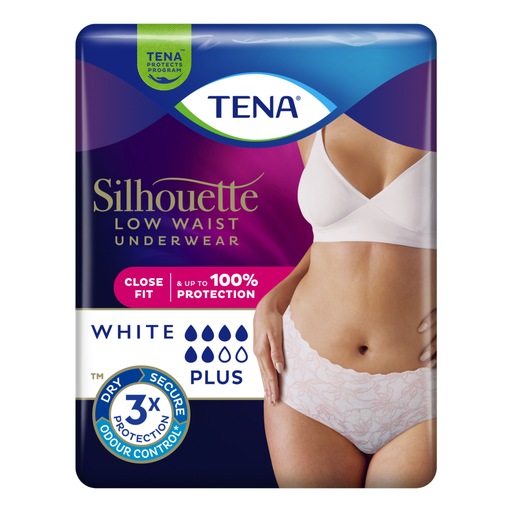
Why This Fits Their Persona: A 12-pack offers a practical starting quantity for regular daytime use, while the white, body-close design resembles ordinary underwear.
The listing specifies a size M, micro-stretch fabric and a 3D absorption zone, making the fit and construction clearer than a generic “one-size” description.
Breathable soft-stretch fabric; product information states 30% less bulk than previous models.
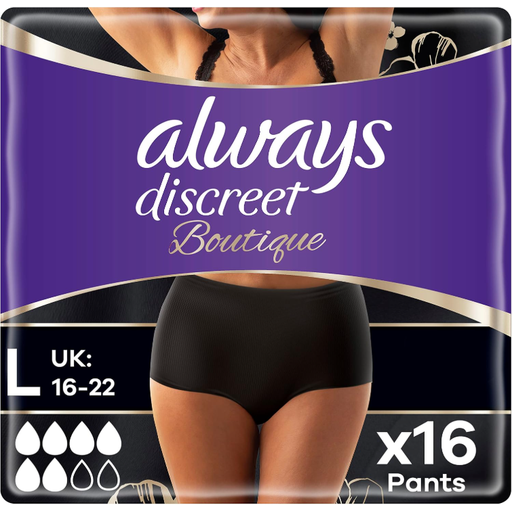
Why This Fits Their Persona: The black, high-rise design is intended for shoppers who prioritise an underwear-like appearance and fuller coverage under darker clothing.
The product details identify a large size, high-absorbency core and Double LeakGuards, rather than relying on appearance alone.
16 pants supplied as two 8-packs; curve-hugging, fabric-like material and stated odour-control technology.
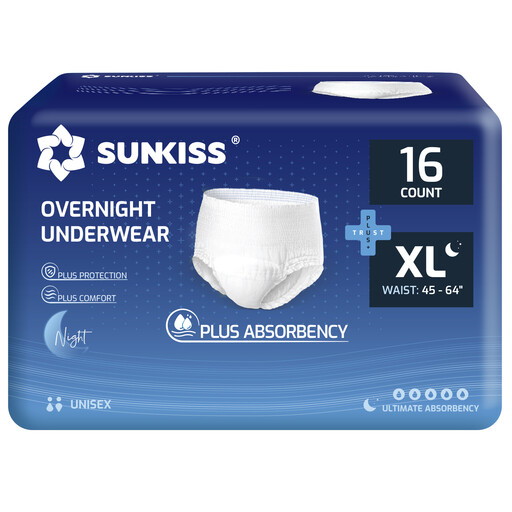
Why This Fits Their Persona: Designed for shoppers seeking heavy absorbency and overnight coverage, including carers buying for someone who needs a larger size.
The listing specifies a dual-core system, extra-wide core, interior leg gathers and heavy absorbency, offering more useful detail than an “overnight” label alone.
16-count pack; latex-free, lotion-free and fragrance-free fabric according to the product description.
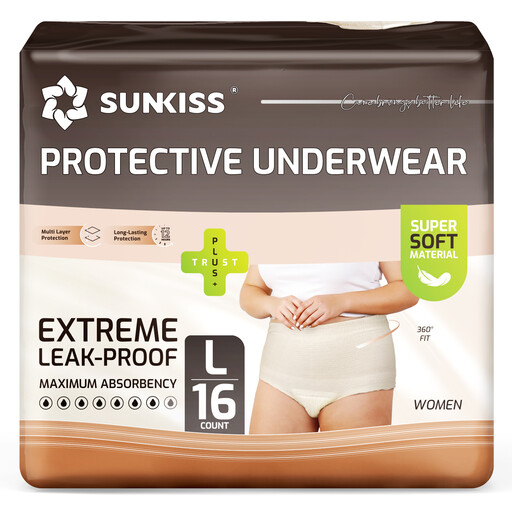
Why This Fits Their Persona: The women-specific cut and beige colour suit daytime wear, travel and shoppers looking for postpartum incontinence pants with a curve-hugging profile.
The details specify a female-specific fit, elastic waistband, super-absorbent core and single-use construction, helping clarify its intended routine.
16-count pack; product information lists odour-lock technology and lightweight FSC-certified pulp.
We have compiled a complete, real-time list of products that fully satisfy these strict selection criteria and UK safety regulations.
Put on adult pull-up pants like ordinary underwear, checking that the front and back are correctly positioned. The waistband should sit securely without folding. Replace the product when it is wet, soiled or no longer comfortable.
Disposable incontinence underwear must not be flushed, even when labelled biodegradable or flushable by a retailer. Tear the sides where designed, roll the used pants inwards and place them in household waste according to local council guidance. Keep unused products in a cool, dry place and check the packaging for storage and shelf-life information.
There is no single suitable wearing time. It depends on absorbency, leakage volume, activity and skin comfort. Some products are marketed for day-and-night use, but this does not mean they should remain unchanged when wet. Change regularly to support hygiene and comfort.
Some disposable pants are listed for postpartum use and may provide fuller coverage than ordinary underwear. However, postpartum bleeding and bladder weakness are different needs. Follow advice from your midwife or GP, particularly if bleeding is heavy, pain or irritation develops or bladder symptoms continue.
The answer depends on purchase price, washing costs and how often protection is required. Disposable pants offer convenience and predictable single-use hygiene, while reusable products may reduce waste over time but require washing and drying. Compare the price per pair and choose based on your daily routine, absorbency needs and available storage.