
24/7 Customer Support

Free returns

Same-day & Next-day Delivery

Quality Guaranteed

Unlock Your Welcome Offers: FREE Delivery | Up to 80% OFF | Free 30-day JoyPlus trial
Download the APP
Finding suitable women’s incontinence pants can make everyday routines more manageable, whether you are dealing with occasional bladder leaks, heavier loss of bladder control, postnatal recovery or overnight concerns. However, packaging often highlights absorbency and discretion without explaining how the product will perform in real situations.
This guide focuses on the practical details that matter before you buy: fit, absorbency, comfort, pack value and disposal.
Terms such as “maximum”, “heavy” and “overnight” are not always directly comparable between brands. A product designed for daytime use may not provide the coverage you need while lying down, and an overnight product may feel unnecessarily bulky during a short trip outdoors.
Look for specific design details, including an absorbent core, leg barriers, leak guards and the intended use printed on the packaging. If you experience frequent or substantial leakage, adult pull-up pants with a wider core and side protection may be more suitable than light bladder leak protection.
A medium in disposable incontinence underwear may not correspond exactly to your usual clothing size. A loose waist or leg opening can create gaps, while a very tight fit may cause discomfort and reduce freedom of movement.
Always check the manufacturer’s waist and hip measurements where available. The correct fit should sit securely against the body without digging in. If you are between sizes, consider your shape, the waistband style and whether the pants are for daytime movement or overnight wear.
A thin product may be discreet under clothing, but comfort also depends on the top sheet, stretch fabric, moisture-wicking layer and waistband. Check whether the product is described as breathable, soft-stretch, perfume free or dermatologically tested. These features do not guarantee that every wearer will have the same experience, but they can help you narrow the choice.
For occasional leaks, a slim pull-up may be sufficient. For moderate to heavy incontinence, look for a high-absorbency core, moisture-locking materials and protection around the legs. Overnight incontinence pants should offer coverage that remains secure when you change sleeping position.
Some product descriptions quote a duration such as “up to 12 hours”. Treat this as a stated product specification rather than a promise for every person. Leakage depends on the volume and timing of urine, body position, activity and fit. Change disposable underwear regularly and follow the instructions on the packaging.
A body-close design can help reduce movement beneath trousers, dresses or nightwear. Features worth checking include:
For postnatal incontinence underwear, a soft waistband and full coverage may be priorities. Abdominal support should not be confused with medical support, and the pants should never feel restrictive.
Disposable incontinence underwear commonly combines cellulose or fluff pulp with super-absorbent polymer, non-woven fabric and elastic materials. Odour-control technology may help contain or reduce unwanted smells, but it does not replace regular changing and proper hygiene.
These products are single use only. Wrap or fold used pants where appropriate and place them in household waste. Do not flush them, as absorbent materials can contribute to blocked plumbing. Store unopened packs in a cool, dry place and check the packaging for shelf-life and storage information.
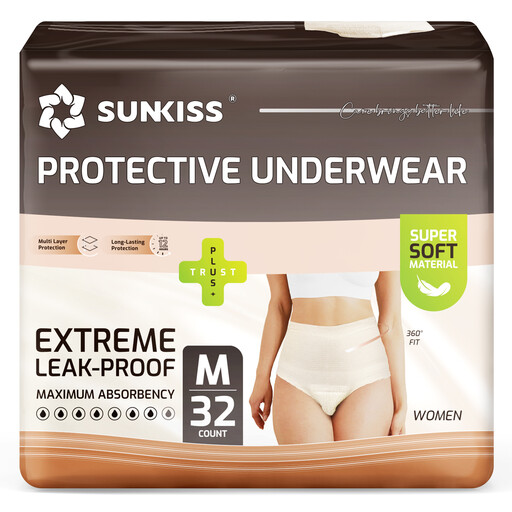
Why This Fits Their Persona: The 32-count pack gives shoppers a practical way to establish a regular daytime routine or keep spare disposable underwear at home, work or in a travel bag.
Its stated 360° coverage, elastic waistband and super-absorbent core address common concerns about shifting and insufficient coverage. Check the size guide before ordering.
32 pants per pack; lightweight materials, odour-lock technology and a pull-on underwear design.
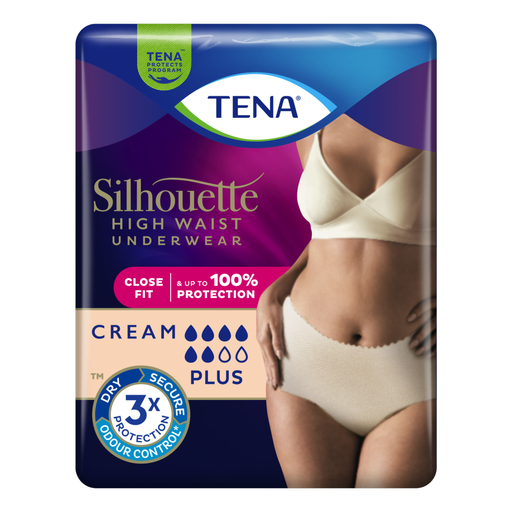
Why This Fits Their Persona: A lingerie-style waist, cream colour and body-close profile suit shoppers who prioritise discreet incontinence underwear under everyday clothing.
The product description specifies soft-stretch, breathable fabric, a 3D absorption zone and 30% less bulk than previous models, helping you assess discretion beyond the word “thin”.
Perfume-free and dermatologically tested; stated for moderate to heavy protection and day-or-night use.
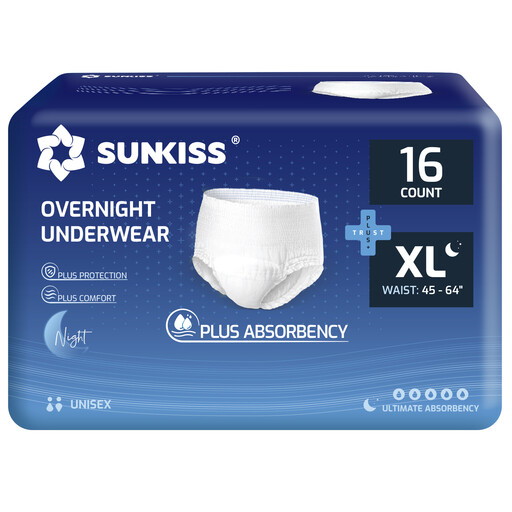
Why This Fits Their Persona: Designed for people comparing heavy absorbency incontinence pants for night-time use, postnatal needs or extended periods away from convenient changing facilities.
The stated dual-core system, extra-wide core, interior leg gathers and odour-control feature provide more useful detail than an unsupported “maximum protection” label.
Heavy-absorbency specification; latex-free, fragrance-free fabric and a sag-resistant backsheet.
The Joybuy range also includes black high-waist TENA pants in size L, low-waist Always Discreet options in medium and large, larger multipacks, postnatal-focused SUNKISS designs and other overnight styles. A black or cream colour may work better with particular outfits, while a larger pack can reduce the frequency of reordering.
Compare the product’s size, stated absorbency, pack quantity and intended use rather than selecting solely by brand or promotional wording.
We have compiled a complete, real-time list of products that fully satisfy these strict selection criteria and UK safety regulations.
They should sit close to the waist and legs without pinching, gaping or rolling down. Check the product’s measurement chart, not only your usual dress size. For carers buying on someone else’s behalf, measuring the waist and hips can reduce returns and discomfort.
There is no universal wearing time. Follow the product instructions and change when wet, soiled or uncomfortable. Claims such as “up to 12 hours” describe a stated product capacity under specified conditions, not a guarantee for every wearer or situation.
Some products are listed for postnatal use and provide full coverage with an absorbent core. However, postnatal recovery differs between individuals. If leakage is persistent, painful or accompanied by other symptoms, seek advice from a GP, midwife or other qualified healthcare professional.