
24/7 全天候客户支持

免费退货

当日/次日达

品质保障

开启新人专享福利: 全场免邮 | 低至 2 折 | 免费试用 30 天 JoyPlus 会员
下载 Joybuy
Bladder leaks can happen during exercise, coughing, sneezing, sudden urges, after childbirth or overnight. Choosing the right protection is not simply a matter of picking the largest pack or the product with the most prominent absorbency claim. The wrong shape, size or protection level can lead to discomfort, odour concerns, visible outlines and unnecessary repeat purchases.
This guide explains what to check when comparing women's incontinence products, including pads, liners and pull-up pants for light to heavy bladder leaks.
A very thin pad may feel discreet, but it may not provide enough coverage for moderate or unpredictable leakage. Conversely, a bulky product may be unnecessary for occasional drops. Product descriptions can use terms such as “maximum dryness” without clearly explaining whether the item is intended for light, moderate or heavy bladder weakness.
Look for the stated use case, length, shape and absorbent design rather than judging protection by thickness alone.
Standard menstrual liners are designed for a different type of fluid and flow pattern. They may not have the absorbent core, leak barriers or odour control needed for urinary leakage. Some bladder weakness pads are also specifically labelled for urinary incontinence and should not be used as menstrual products, so always read the packaging.
Even a highly absorbent product can leak if it is too narrow, incorrectly positioned or loose around the legs. Pants need accurate waist and hip measurements, while pads should sit securely in the underwear gusset. A product that promises extended dryness should not automatically be worn longer than the instructions allow. Change pads or pants as needed to maintain comfort and hygiene.
Start by matching the product to your usual leakage pattern:
Terms such as RapidDry, InstaDRY and super-absorbent core describe product features, but they do not guarantee the same experience for every wearer. Consider your own pattern of leakage and keep a small selection for different situations.
Check the product dimensions, size range and design before buying. A low-profile pad may be more discreet beneath fitted clothing, while a longer pad can provide additional front-to-back coverage. Pull-up pants should feel secure around the waist and thighs without digging into the skin.
For discreet incontinence underwear, look for features such as a fabric-like outer layer, flexible stretch panels, elasticated leg openings and a close-fitting profile. These can make pants more practical for commuting, work, travel or shopping.
If you have sensitive skin, check whether the product is fragrance-free or made without dyes. Breathable outer materials and a soft topsheet may improve comfort, but irritation can still occur with any disposable hygiene product. Stop using an item if it causes discomfort or a rash, and seek medical advice where appropriate.
Odour control incontinence products may use odour-neutralising materials or absorbent cores that lock away moisture. These features can support confidence, but regular changing and correct disposal remain important.
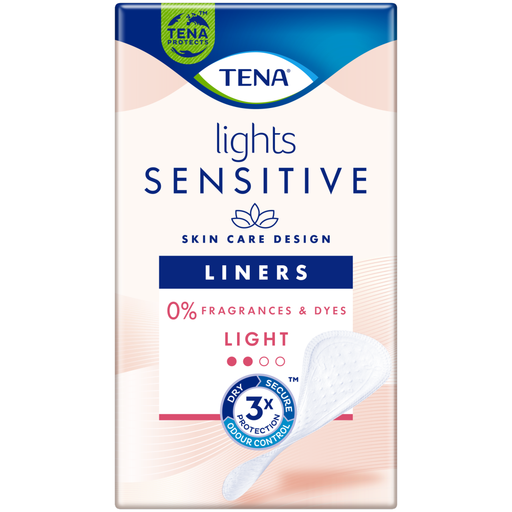
Why This Fits Their Persona: A 28-pad pack offers a practical starting point for occasional light leakage, commuting or keeping spare protection in a handbag.
Its listed 15cm length and 3mm thickness make the intended light-leak use clearer than relying on general panty-liner claims.
28 pads per pack; fragrance- and dye-free materials; individually designed for light bladder leaks.
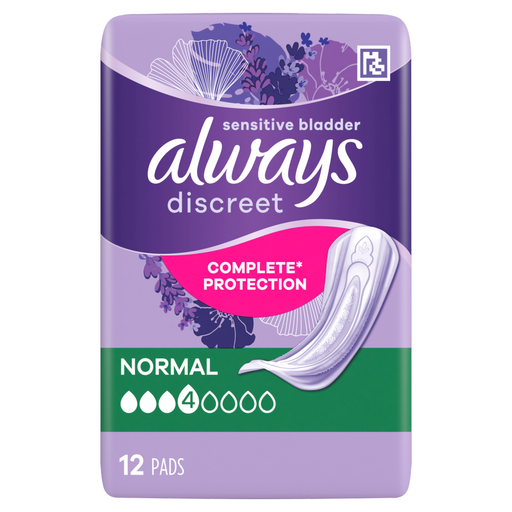
Why This Fits Their Persona: Suitable for shoppers who prioritise a slim daytime pad with individual wrapping and odour-control features.
The product is specified for light to moderate bladder leaks, helping buyers avoid selecting a standard liner for a heavier need.
RapidDry absorbent core; individually wrapped pads; dermatologically tested according to the product description.
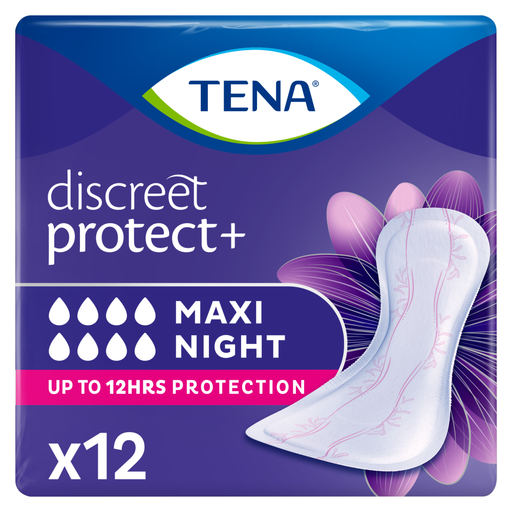
Why This Fits Their Persona: Designed for users seeking a dedicated overnight incontinence pad for heavier or unexpected urine leaks.
Its stated night-time and lie-down design addresses a different need from short daytime pads intended for light leakage.
Night-specific coverage; absorbent core with leak protection; 12 pads in the pack.
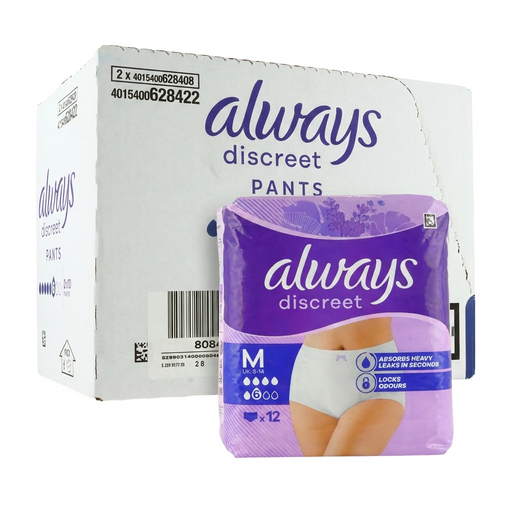
Why This Fits Their Persona: A useful option for people managing larger or sudden leaks who prefer pull-up protection for daytime or night use.
Pull-up construction reduces reliance on pad positioning, while the medium size is listed for UK 10–16 and 70–100cm sizing.
RapidDry core; Double LeakGuards; 24 pants across two packs; 360° FormFit design.
We have compiled a complete, real-time list of products that fully satisfy these strict selection criteria and UK safety regulations.
Change a pad when it feels wet, uncomfortable or soiled, and follow the product instructions. Some products list a suggested interval, but actual replacement frequency depends on leakage, activity, temperature and personal comfort. Do not flush pads or pants; place used products in household waste.
Some women's incontinence pants are designed for day and night protection, but check the product description, absorbency level and size guide. For heavier overnight leakage, an overnight incontinence pad or a higher-coverage pant may be more suitable than a light daytime liner.
They can be. Postpartum leakage may require a product designed for urinary incontinence, with a shaped absorbent core and leak barriers. Check the product instructions and speak with a midwife, health visitor or GP if leakage is persistent, painful or accompanied by other symptoms.