
24/7 全天候客户支持

免费退货

当日/次日达

品质保障

开启新人专享福利: 全场免邮 | 低至 2 折 | 免费试用 30 天 JoyPlus 会员
下载 Joybuy
From the gym floor to the high street, women's leggings have become an essential part of the modern wardrobe. Yet, finding the right pair can be a frustrating experience. With so many options available, it's easy to fall for marketing hype and end up with a pair that rolls down, goes sheer or simply isn't right for your needs. As the Joybuy Product Recommendation Officer, my role is to help you navigate the market and identify the key features that truly matter, ensuring your next pair is a purchase you won't regret.
Before you add another pair to your basket, let's look at the common traps that many UK shoppers encounter.
To avoid these issues, focus on a few core specifications. Understanding these will empower you to choose leggings that perform as expected and offer lasting value.
The fabric is the foundation of any good pair of leggings. The blend of materials dictates its stretch, breathability and opacity.
The waistband is critical for both comfort and performance. A well-designed waistband will provide support without digging in.
Consider your primary use case and look for features that support it.
Based on these practical criteria, here are a few recommendations matched to different needs and activities.
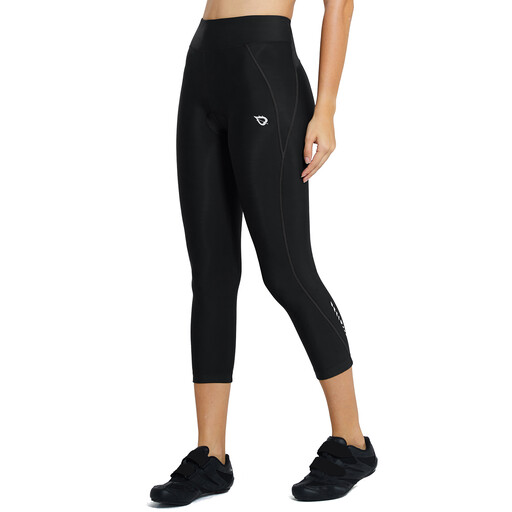
Why This Fits Their Persona: Designed specifically for cyclists, this pair addresses the unique demands of long rides. The 3/4 length is ideal for transitional weather, while the technical fabric and construction prioritise performance over all-purpose fashion.
This is a purpose-built garment, not a "one-size-fits-all" legging. It features a multi-density 3D gel chamois for comfort, a feature standard leggings lack, preventing the discomfort of using the wrong gear for a specific sport.
The integrated 3D gel padding alleviates pressure during long rides. Silicone leg grippers prevent the capris from riding up during motion.
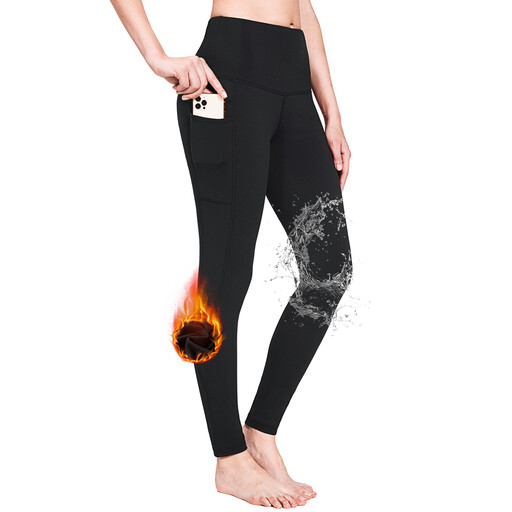
Why This Fits Their Persona: Ideal for anyone running, hiking or simply staying active during the colder UK months. These leggings are designed to provide warmth without sacrificing the flexibility needed for outdoor pursuits.
These leggings directly solve the problem of using inadequate gear in cold weather. The brushed fleece interior provides insulation that standard leggings lack, and the high, secure waistband prevents slipping during vigorous hikes or runs.
The water-resistant outer fabric offers protection from light rain and snow. Multiple pockets, including side and interior options, provide ample storage for essentials.
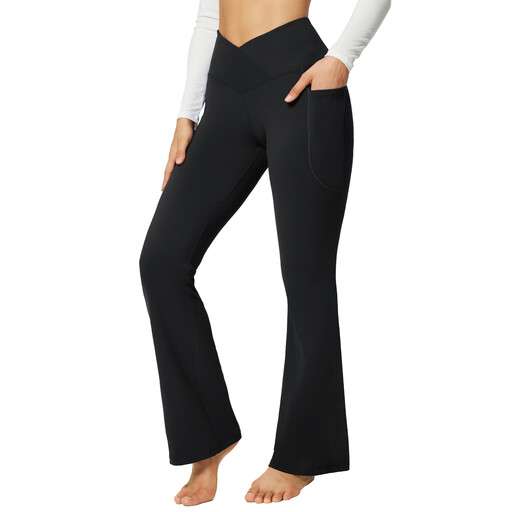
Why This Fits Their Persona: This pair combines contemporary style with functional comfort. The flared, bootcut silhouette and V-cross waist are on-trend, while the stretchy, moisture-wicking fabric makes them perfectly suitable for yoga, dance or everyday wear.
The 4-way stretch polyester and spandex fabric is substantial enough to avoid the see-through issue during yoga poses. The flattering V-cross waist is designed to sit comfortably without rolling down during light activity.
The inclusion of two deep side pockets adds a layer of practicality often missing from style-focused yoga pants. The choice of different inseam lengths allows for a more customised fit.
We have compiled a complete, real-time list of products that fully satisfy these strict selection criteria and UK safety regulations.
The most effective way is to choose leggings made from a dense, high-quality fabric. Look for a fabric weight (GSM) of 220 or higher and materials like polyester/spandex blends designed for athletic stretch. When possible, perform a quick squat test in a well-lit area before committing to a purchase.
While the terms are often used interchangeably, there can be key differences. Gym leggings are typically engineered for high-impact activity, featuring more compression and robust moisture-wicking synthetic fabrics. Yoga pants often prioritise comfort and maximum flexibility, sometimes using softer materials or offering different cuts, such as the popular flared leggings style.
To preserve the fabric's technical properties, wash your leggings inside out on a cool, gentle cycle. Crucially, avoid fabric softener, as it can clog the fibres and impair their moisture-wicking capabilities. It is also advisable to line dry them instead of using a high-heat tumble dryer, which can damage the elastic fibres over time.