
24/7 Customer Support

Free returns

Same-day & Next-day Delivery

Quality Guaranteed

Unlock Your Welcome Offers: FREE Delivery | Up to 80% OFF | Free 30-day JoyPlus trial
Download the APP
A women's military anorak jacket can bring useful storage, weather protection and a structured silhouette to everyday outfits. However, product photos and phrases such as “utility”, “outdoor-ready” and “durable” do not always explain what you are actually buying.
For UK shoppers, the right jacket should work across changeable spring and autumn conditions, fit comfortably over a jumper and remain practical for commuting, dog walks, city outings or weekend trips. Before choosing a style, look beyond appearance and check the fabric weight, fastening, pocket construction and care requirements.
A military-style coat may have a stand collar, patch pockets and a khaki colour, but those details alone do not make it waterproof or suitable for severe weather. Unless the listing specifically states a waterproof rating, taped seams or a water-repellent finish, treat the garment as a casual outdoor jacket for light wind and everyday layering.
For rainy UK days, you may still need an umbrella or a separate waterproof shell.
Lightweight jackets can be comfortable, but an overly thin fabric may crease easily, offer limited wind resistance and feel less useful over knitwear. Check the material composition and, where provided, the fabric weight in GSM. A higher GSM generally indicates more material, although it does not independently confirm warmth, durability or weatherproofing.
A jacket may look practical while providing pockets that are shallow, open or difficult to use. Examine whether the pockets have flaps, buttons or zips, and check whether the main fastening combines a zip with snaps. A zip-up jacket with pockets is more useful when the contents remain secure during travel or walking.
Also consider whether the cut allows space for a jumper without pulling across the shoulders.
For a breathable, structured feel, look for cotton or a cotton-rich blend. The reference women’s anorak is made from 100% cotton with a stated 320 GSM fabric weight. This gives it a more substantial feel than a very light overshirt and makes it suitable for spring and autumn layering.
Cotton is not automatically waterproof, so check the product description before relying on it during prolonged rain. Synthetic nylon can offer practical wind resistance and quick drying, but it may feel smoother and less substantial than cotton. The choice depends on whether you prioritise natural fabric comfort, packability or faster drying.
A stand-up or stand collar can provide extra coverage around the neck, while a full front zip makes the jacket easy to put on. A zip and snap-button closure adds a second barrier over the zip and can help reduce exposure to wind around the front.
For everyday use, make sure the zip moves smoothly and that the snaps are positioned far enough from the zip to avoid catching the fabric.
A women’s utility jacket should allow normal movement without appearing excessively loose. If you plan to wear it as a women’s autumn jacket, compare your measurements with the seller’s size chart and allow room for a sweatshirt or knitwear. For a women’s spring jacket, a lighter base layer may mean you prefer a closer fit.
Pay particular attention to shoulder width, sleeve length and the jacket’s total length. A slightly longer hem can offer more coverage, while a shorter cut may be easier to wear when cycling or sitting.
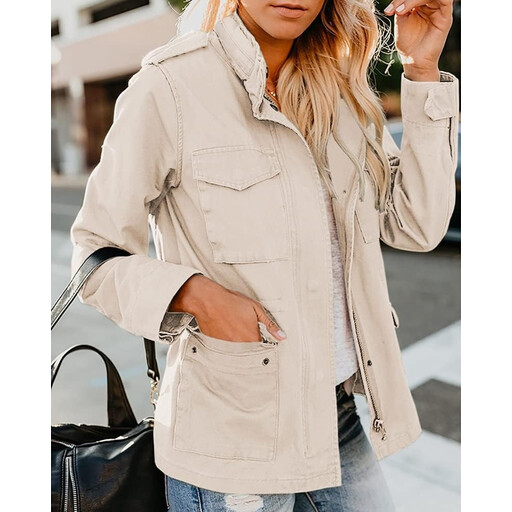
Why This Fits Their Persona: A practical choice for shoppers wanting one structured jacket for city walks, casual outfits and light weekend activities without moving into technical outdoor clothing.
The listing specifies 100% cotton, 320 GSM fabric and a combined zip-and-snap front, rather than relying only on vague utility wording.
100% cotton construction; multiple utility pockets; stand collar; zip and snap-button closure.
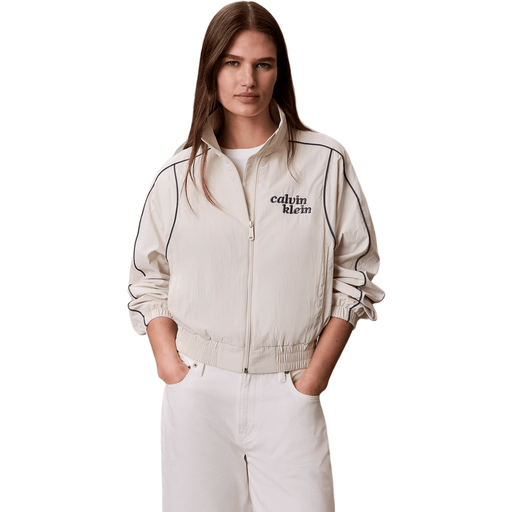
Why This Fits Their Persona: Suits commuters and shoppers who prefer a clean, minimalist layer that can move between everyday errands, casual workwear and outdoor outings.
Its nylon construction is clearly stated, so shoppers can distinguish a lightweight wind-resistant layer from a heavier cotton parka coat.
100% lightweight nylon; stated wind resistance; quick-drying construction; piping detail.
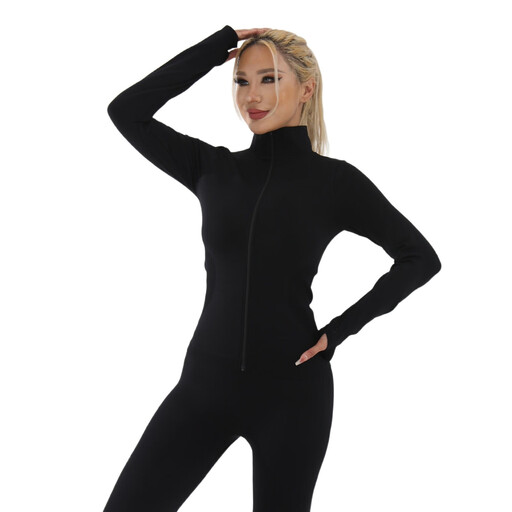
Why This Fits Their Persona: A useful under-layer for active shoppers who need stretch and moisture management beneath a military anorak during walks, travel or outdoor exercise.
The product details specify four-way stretch, an opaque fabric, a smooth full zip and flatlock seams, avoiding assumptions based on appearance alone.
Four-way stretch fabric; moisture-wicking and quick-drying construction; stand-up collar; flatlock seams.
Cotton jackets often need gentler care than synthetic layers. The listed anorak care instructions recommend cold hand washing, no bleach, hanging to dry, medium-temperature ironing and no dry cleaning. Do not wring the garment, as this can distort the fabric and affect its shape.
Before purchasing, check:
A cotton utility jacket can be a practical wardrobe layer, but it should not replace a certified waterproof shell for prolonged wet-weather use. Match the garment to the conditions you realistically expect.
We have compiled a complete, real-time list of products that fully satisfy these strict selection criteria and UK safety regulations.
It depends on the product construction. Cotton can handle light everyday conditions but is not automatically waterproof. Look for a stated water-repellent or waterproof finish, sealed seams and a waterproof rating if wet-weather performance is important.
For spring, a T-shirt or lightweight long-sleeve top may be sufficient. In autumn, choose a jumper or a flexible zip-up layer, ensuring the jacket has enough room across the shoulders and sleeves. Avoid over-layering if it restricts movement or strains the front zip.
Follow the care label, wash cold and avoid bleach or harsh treatment. Hang it to dry rather than using high heat, and do not wring the fabric. Store it on a suitable hanger so the shoulders retain their shape.