
24/7 Customer Support

Free returns

Same-day & Next-day Delivery

Quality Guaranteed

Unlock Your Welcome Offers: FREE Delivery | Up to 80% OFF | Free 30-day JoyPlus trial
Download the APP
Choosing women’s razors can seem straightforward until you compare blade counts, lubricating strips, disposable handles, refill systems and electric trimmers. Marketing often focuses on a “closer” shave, but the most suitable option depends on where you use it, how often you shave and how your skin responds.
Before buying, watch for three common pitfalls:
Three-blade women’s razors are often a practical starting point for legs and underarms. They can balance coverage with manoeuvrability, particularly when the head pivots to follow body contours.
Four- and five-blade systems may appeal if you want to reduce the number of passes over an area. However, the head may be wider, so check whether it can move easily around knees, ankles and the bikini line. Blade count is only one factor: head flexibility, spacing and rinsing access also affect everyday use.
For a close shave, use light pressure and rinse the head frequently. Pressing harder can increase scraping and does not necessarily improve the result.
Sensitive skin razors commonly include lubricating strips, protective guards or gel bars. These features can make the first pass feel smoother, but check the ingredient list if you react to fragrance, essential oils or specific preservatives.
A shaving gel or cream can create an additional barrier between the blade and skin. Shave with warm water, use gentle strokes and moisturise afterwards if your skin tolerates it. Avoid using any razor on broken, inflamed or sunburnt skin, and stop if redness or discomfort develops.
For reusable women’s razors, confirm which cartridges fit the handle. Compatibility is not universal, even within a broad product family. A refill system is more convenient when replacement blades are easy to find and the handle remains comfortable when wet.
Eco-friendly razors may use recycled plastic, upcycled steel or recycled packaging. Read the specific material percentage rather than relying on a general sustainability message, and check local recycling guidance because mixed-material cartridges are not always accepted in household recycling.
For an electric women’s hair remover, check the power source, cleaning method and included accessories. Battery-powered models can be useful for travel, while USB rechargeable tools may be more convenient at home. If a product is described as waterproof, confirm the manufacturer’s instructions for shower use rather than assuming every component can be submerged. For electrical products, review the supplied compliance markings and safety information before use.
The right choice depends on your priorities:
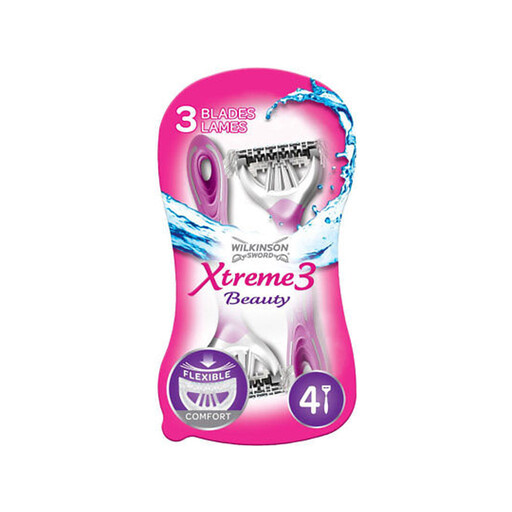
Why This Fits Their Persona: A four-razor pack offers a straightforward option for people starting a regular leg, underarm or travel shaving routine.
It uses three flexible blades and an easy-rinse design rather than relying only on a high blade count. The travel cap also helps keep the razor covered between uses.
The handle contains 30% recycled plastic, the blades use 70% upcycled steel, and the packaging is over 90% recycled and FSC-certified paper.
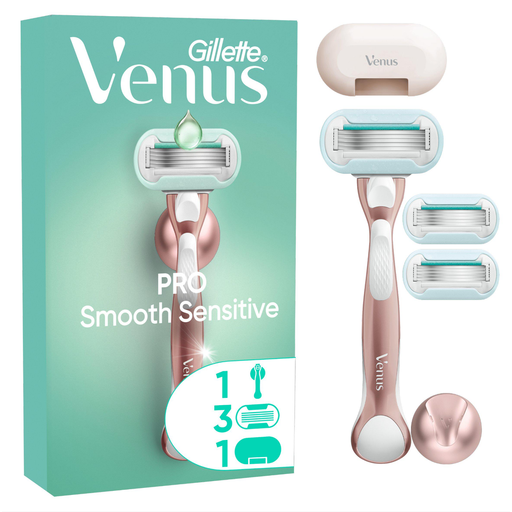
Why This Fits Their Persona: Suitable for shoppers who value a durable handle and a refill-based routine for frequent body hair removal.
The reusable handle avoids replacing the full razor each time. Buyers should still check refill prices and compatibility before committing to the system.
It has a metal ergonomic handle, five blades and a water-activated moisture ribbon. The listed refill format is intended for regular replacement.
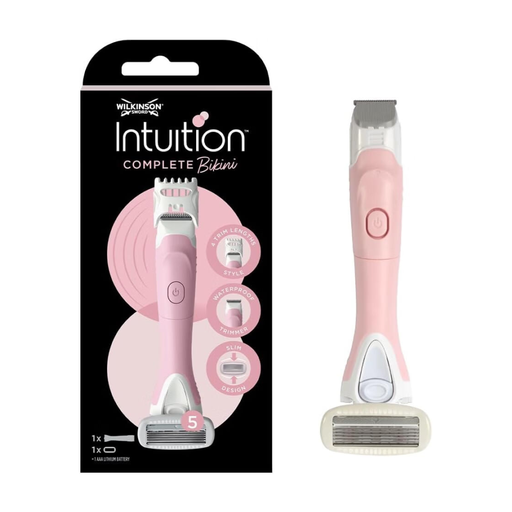
Why This Fits Their Persona: Designed for shoppers who want one tool for trimming and shaving the bikini line, including detailed grooming before holidays or regular maintenance.
The integrated trimmer helps reduce the need to repeatedly pass a razor over longer hair. Its adjustable comb has four length settings for controlled trimming.
The set combines a five-blade razor and precision trimmer, is designed for shower use and includes an alkaline battery.
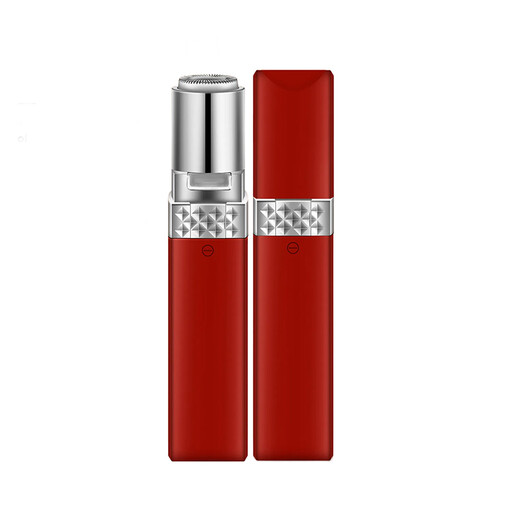
Why This Fits Their Persona: Its small body and AA-battery power suit hotel bathrooms, overnight bags and quick detail trimming away from home.
It does not depend on a mains socket or USB charger. Using a dedicated trimmer also avoids forcing a multi-blade razor into areas that need more precise control.
The device weighs approximately 35g, uses one AA battery and includes a cleaning brush for routine maintenance.
We have compiled a complete, real-time list of products that fully satisfy these strict selection criteria and UK safety regulations.
Neither is automatically suitable for everyone. Three-blade designs can offer easier manoeuvrability, while five-blade systems may cover more area per stroke. Consider head size, flexibility, lubrication and the body area rather than blade count alone.
Replace them when shaving feels rough, you need more pressure, the lubricating strip has worn down or the blade shows damage. Usage varies with hair thickness, shaving frequency and how well the razor is rinsed and dried.
Some electric trimmers are designed for detailed grooming, but suitability depends on the specific head, guard and manufacturer’s instructions. A trimmer can shorten hair without providing the same close finish as a wet razor. Use the correct attachment and avoid pressing firmly against delicate skin.