
24/7 Customer Support

Free returns

Same-day & Next-day Delivery

Quality Guaranteed

Unlock Your Welcome Offers: FREE Delivery | Up to 80% OFF | Free 30-day JoyPlus trial
Download the APP
A women’s sun hat can be useful for beach holidays, gardening, walking and travel, but attractive styling alone does not guarantee suitable coverage or comfort. Many shoppers discover the limitations only after a hat slips in the wind, becomes uncomfortable in warm weather or loses its shape in a suitcase.
Before buying, look beyond phrases such as “summer-ready” or “UV protection”. The most useful details are measurable: UPF rating, brim dimensions, head circumference, fabric construction, ventilation and adjustability.
A brim may appear wide in product photographs because of the camera angle. Check the stated measurement and whether it wraps around the sides and back. A narrow front brim may shade the eyes while leaving the ears and neck exposed.
For extended time outdoors, a wide-brim sun hat or wrap-around design generally provides more coverage than a short-brim cap. However, a very large brim can catch the wind, so a chin strap, drawcord or secure headband may be important for coastal walks and hiking.
A product described as a UPF 50+ sun hat has a specific fabric rating, whereas an untested hat may simply be marketed as “sun protective”. UPF describes how much ultraviolet radiation passes through the fabric; it does not mean every area of the face, neck or shoulders is covered.
Check whether the UPF information applies to the stated fabric and whether the design leaves open sections. A visor, for example, protects the face from overhead sun but does not cover the crown of the head.
A packable sun hat is convenient for flights, handbags and day trips, but repeated folding can crease stiff materials or distort the brim. Look for flexible construction, shaping wire or a design that is explicitly described as foldable. Also check care instructions: a hat that cannot be washed or wiped easily may be inconvenient after a sweaty walk or sandy beach day.
For regular summer use, look for a clearly stated UPF 50 or UPF 50+ rating. Product descriptions may also state a percentage of UV blocked, but the practical result still depends on coverage, fit and how the hat is worn.
A wide brim of around 9–16 cm can offer more face and neck shade than a short sports brim. An open-top women’s visor hat improves airflow and accommodates a ponytail, but it leaves the top of the head uncovered. For all-round coverage, choose a bucket, fisherman or other full-crown style.
A hat is not a replacement for sunscreen, sunglasses or seeking shade during strong sunlight. It should be treated as one part of sensible outdoor protection.
Measure around the head where the hat will sit, usually just above the eyebrows and ears. Compare the result with the seller’s size guide rather than relying on “one size fits most”.
Useful adjustment features include:
A loose hat can blow away, while an overly tight headband may become uncomfortable during a full day outside. If your measurement is close to the upper limit, sizing up may provide more room, subject to the product’s guidance.
A breathable outdoor hat should have mesh panels, a ventilated crown or a sweatband designed to move moisture away from the skin. Lightweight construction is particularly useful for travel and walking. For reference, one TOP-EX design listed here weighs 63.7 g, while several visor styles weigh between approximately 75 g and 127 g.
Check the fabric carefully. Polyester and nylon can be lightweight and quick-drying, while a mesh lining may improve airflow. Waterproof or water-repellent fabric can help with light showers, but it does not necessarily make a hat suitable for heavy rain.
Care instructions vary. Some designs are machine washable at 30°C, while others require hand washing or spot cleaning. Following the stated care method helps preserve coatings, shaping and elastic components.
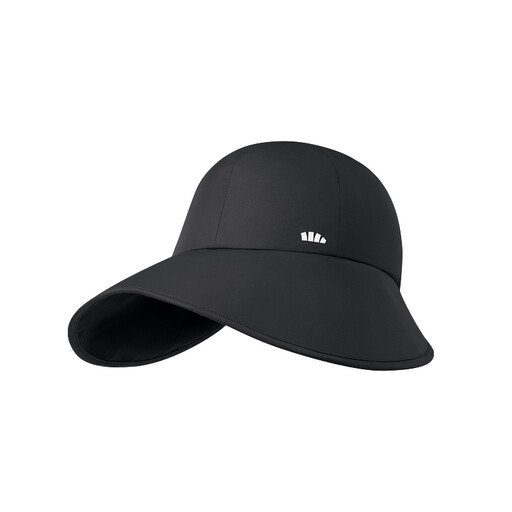
Why This Fits Their Persona: A practical option for everyday walks, gardening and occasional outdoor sport where compact storage and a secure, adjustable fit matter.
The listing gives a 9.5 cm brim measurement, adjustable head circumference and a foldable brim, making the coverage and storage features easier to assess.
Water-repellent fabric, shaping wire, cooling sweatband and a listed weight of 1.83 oz.
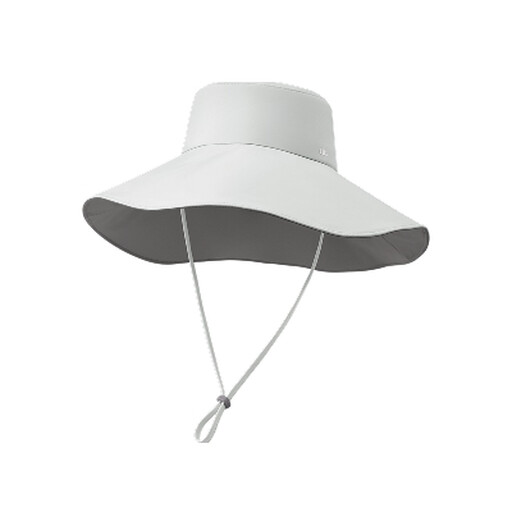
Why This Fits Their Persona: Suited to shoppers who want a versatile beach sun hat or holiday accessory with substantial wrap-around coverage and two styling options.
The listed 16 cm wrap-around brim gives a clear coverage reference, while ventilation panels and a foldable structure address heat and storage concerns.
The listing states UPF 50+, reversible dual-layer fabric, ventilation panels and a 22.4-inch head circumference.

Why This Fits Their Persona: Designed for users who move between hiking, camping, fishing, gardening and travel, including those who prefer to wear a ponytail.
The product information lists the brim range, multiple size options, an adjustable drawcord and detachable chin strap rather than relying only on appearance.
The listing states UPF 50 protection, a 7–9.4 cm adjustable brim, waterproof nylon, machine-washable care and a ponytail hole.
We have compiled a complete, real-time list of products that fully satisfy these strict selection criteria and UK safety regulations.
A UPF 50+ sun hat limits ultraviolet transmission through the rated fabric, but coverage still depends on the brim and how the hat fits. Pair it with sunscreen, sunglasses and shade, particularly during prolonged outdoor exposure.
Use a soft tape measure around your head, above the eyebrows and ears. Keep the tape level and comfortable, then compare the measurement with the product’s stated range. Adjustable hats can provide flexibility, but they cannot compensate for a significantly unsuitable base size.
There is no universal lifespan. Frequent folding, washing, sweat, saltwater and strong sunlight can affect fabric, elastic and brim structure. Replace a hat when the brim no longer holds its intended shape, the fabric is damaged or the fit and coverage have noticeably changed. Following the care instructions can help preserve its usable condition.