
24/7 Customer Support

Free returns

Same-day & Next-day Delivery

Quality Guaranteed

Unlock Your Welcome Offers: FREE Delivery | Up to 80% OFF | Free 30-day JoyPlus trial
Download the APP
Choosing women's vitamins and supplements can seem straightforward until you compare serving sizes, nutrient levels, dietary suitability and targeted ingredients. A colourful label may suggest energy, immunity or hormonal support, but the practical details often determine whether a product fits your routine.
This guide explains the main buying pitfalls, the specifications worth checking and a selection of products for different nutritional priorities.
Some women's multivitamins provide several times the UK Nutrient Reference Value (NRV) for B vitamins, vitamin C or zinc. A higher number is not automatically more suitable for everyday use. It may also create unnecessary overlap if you already take separate B complex vitamins, folic acid or vitamin B12 supplements.
Check the complete daily serving rather than the amount per tablet. A product requiring three tablets daily may have a very different cost and routine from a one-capsule formula.
Terms such as “hormonal balance”, “detox” or “all-day energy” can oversimplify what a supplement does. Look for clearly listed nutrients and permitted nutritional claims instead. For example, vitamin B12 contributes to normal energy-yielding metabolism and the reduction of tiredness and fatigue, while vitamin D contributes to normal immune system function.
Supplements should not be used to diagnose or treat fatigue, low mood or other symptoms. Persistent symptoms should be discussed with a GP or pharmacist.
A product described as a women's wellness supplement may contain soya, fish oil, gelatine, beeswax or other animal-derived ingredients. Vegan shoppers should check both the capsule shell and the nutrient sources. People taking medicines should also check warnings, particularly with products containing iron, vitamin K, botanical extracts or high-dose niacin.
Start with your actual priority:
Compare the amount per recommended daily serving with the UK NRV. Avoid combining several products with the same nutrients unless a healthcare professional has advised it.
A 60-tablet bottle does not necessarily provide 60 days of use. For example, a three-tablet serving provides 20 servings, while a one-tablet formula may last two months. Calculate:
Pack duration = number of tablets or capsules ÷ daily serving
This gives a more realistic comparison of cost and convenience.
Consider whether you prefer tablets, capsules or lozenges. Sublingual or chewable formats may be convenient for people who dislike swallowing tablets, while sustained-release tablets should generally be swallowed whole as directed.
Check for:
The form of a nutrient is a useful comparison point, but it should not be treated as a guarantee of superior absorption or results.
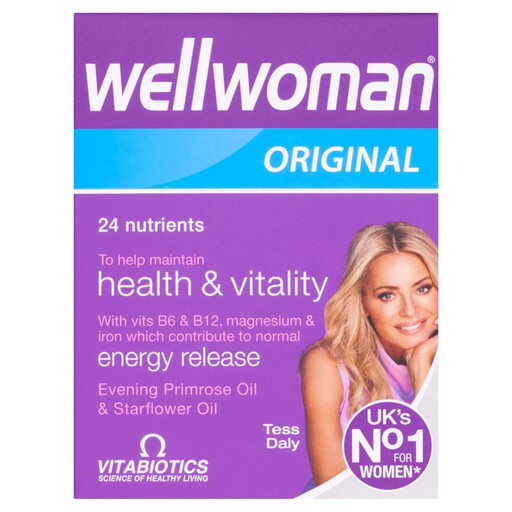
Why This Fits Their Persona: A one-capsule-per-day format offers a straightforward starting point for adults seeking broad daily nutritional support without combining several separate products.
The label provides a complete per-capsule nutrient panel, making it easier to check the daily dose and avoid accidental duplication.
One capsule daily; includes vitamin D, folic acid, iron, zinc and B vitamins. Contains soya and gelatine, so check suitability.
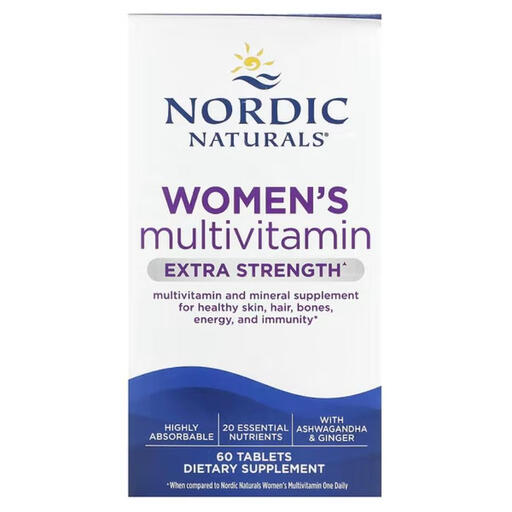
Why This Fits Their Persona: Suitable for adults looking for a combined multivitamin and omega-3 format rather than purchasing separate products.
Its label specifies EPA, DHA and total omega-3 amounts, rather than relying only on a general “fish oil” description.
Two-tablet serving; provides 270 mg EPA and 180 mg DHA per serving. Contains fish and is not intended for under-18s.
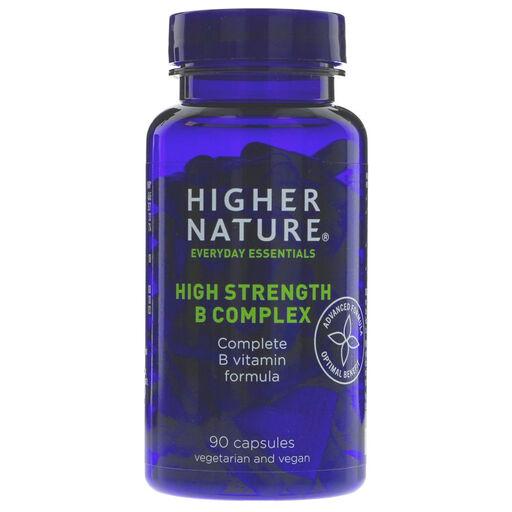
Why This Fits Their Persona: A targeted option for adults specifically comparing high-strength B complex vitamins rather than a full multivitamin.
It lists each B vitamin separately, including methylfolate and methylcobalamin, so shoppers can compare forms instead of relying on a broad energy claim.
One capsule daily; supplies eight B vitamins, including 200 micrograms folic acid and 20 micrograms vitamin B12. High nutrient levels require careful label comparison.
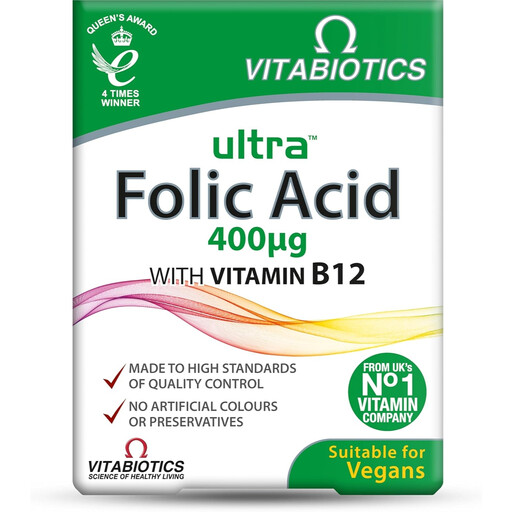
Why This Fits Their Persona: Its focused formula suits adults looking for folic acid support before pregnancy or during early pregnancy, subject to professional advice.
The product clearly states 400 micrograms of folic acid per tablet, avoiding the uncertainty of a proprietary blend.
One tablet daily; includes 400 micrograms folic acid and 5 micrograms vitamin B12. Check with a midwife, GP or pharmacist if you need a different dose.
We have compiled a complete, real-time list of products that fully satisfy these strict selection criteria and UK safety regulations.
This depends on the number of tablets or capsules per serving. Divide the pack quantity by the daily dose before comparing prices. Store supplements according to the label and do not use them after the stated date.
Combining them can create unnecessary duplication, particularly for vitamin B6, folic acid, niacin and vitamin B12. Compare both labels and ask a pharmacist or GP before combining products.
Vegan formulas can suit people avoiding animal-derived ingredients, but suitability depends on the nutrient profile and your individual needs. Check for vitamin B12, iodine, iron and vitamin D, and seek advice if pregnant, breastfeeding, taking medication or managing a medical condition.