
24/7 Customer Support

Free returns

Same-day & Next-day Delivery

Quality Guaranteed

Unlock Your Welcome Offers: FREE Delivery | Up to 80% OFF | Free 30-day JoyPlus trial
Download the APP
Choosing women's deodorant and antiperspirant is not simply a matter of picking a pleasant fragrance. The right product depends on whether you want to reduce wetness, control odour, care for sensitive underarms, avoid marks on clothing or freshen areas beyond the underarms.
Marketing language can also make comparison difficult. A product labelled “long-lasting” may suit a normal office day but fall short during commuting, exercise or warm weather. Use the following checks to avoid paying for features that do not match your routine.
A deodorant primarily helps manage body odour, while an antiperspirant contains an aluminium-based active ingredient intended to reduce perspiration. An alcohol-free deodorant or aluminium-free formula may be preferable if your priority is odour control and a lighter feel, but it should not be selected with the expectation of the same wetness control as an antiperspirant.
Labels such as 48-hour deodorant and 72-hour antiperspirant describe the product’s stated protection period under specified conditions. They do not guarantee identical performance for every person, especially during strenuous activity, hot weather or stressful situations. Check the active ingredient and apply the product correctly rather than relying on the number alone.
Fragrance, essential oils and certain preservatives can still cause discomfort, particularly after shaving. Read the ingredient list and avoid applying any deodorant to broken, sore or irritated skin. Fragranced products may contain listed allergens such as limonene, linalool, citronellol or geraniol.
For sweat and odour protection, look for “antiperspirant” rather than deodorant alone. Common active ingredients in the supplied range include aluminium chlorohydrate and aluminium sesquichlorohydrate. If you mainly need freshness, an aluminium-free whole-body deodorant may be more suitable.
Do not interpret “natural” as automatically more effective or gentler. A natural citrus deodorant can contain essential oils, which may not suit every skin type. Always compare the full ingredients panel on the current packaging.
If underarms feel dry or sting after shaving, consider an alcohol-free deodorant or a formula that includes moisturising ingredients. Dove products in this selection include moisturising cream or moisturising technology, while Mitchum listings include alcohol-free options. These features describe the formula; they are not a promise that irritation cannot occur.
Wait before applying any aerosol after shaving if the label advises it. Stop use if redness, itching or a rash develops. Persistent symptoms should be discussed with a healthcare professional.
A women's deodorant spray is quick to apply and convenient for shared bathroom routines or gym bags. Aerosols must be used in a well-ventilated area, away from flames, sparks and heat. Hold the can around 15cm from clean, dry skin and spray briefly, following the packaging directions.
For clothing concerns, an invisible dry deodorant may help reduce visible residue, but allow the product to dry before dressing. A stick can be easier to control and may be more practical for travel, while a 200ml or 250ml aerosol can offer more applications at home.
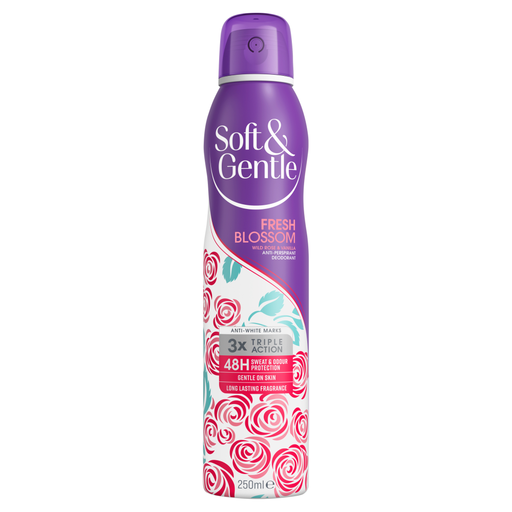
Why This Fits Their Persona: The 250ml aerosol is a practical everyday format for shoppers who want a floral deodorant at home, with a stated 48-hour sweat and odour protection period.
It clearly identifies both antiperspirant function and fragrance, making it easier to distinguish from an odour-only deodorant.
250ml size; wild rose and vanilla fragrance; contains allantoin and aluminium chlorohydrate.
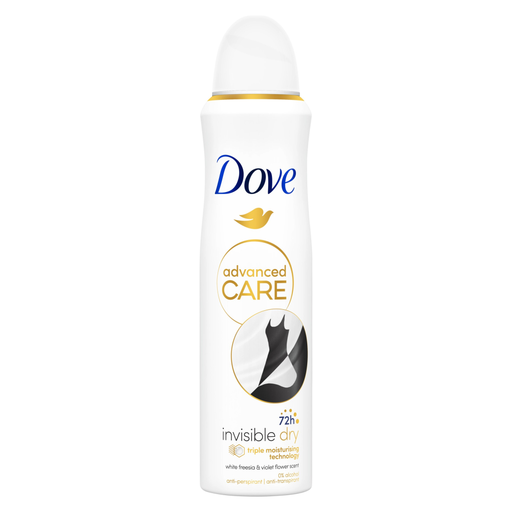
Why This Fits Their Persona: A useful choice for office wardrobes and colourful clothing, with the listing describing a dry-touch finish, moisturising technology and up to 72 hours of protection.
The product is selected for its stated invisible-dry feature rather than an unsupported promise that every fabric will remain mark-free.
Alcohol-free listing; 150ml aerosol; fragrance; aluminium sesquichlorohydrate active ingredient.
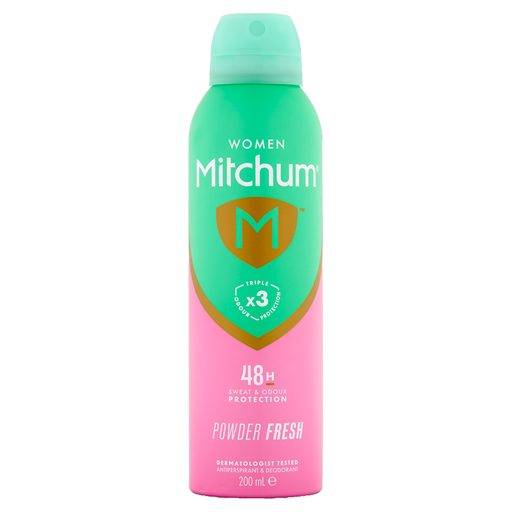
Why This Fits Their Persona: Its stated 48-hour sweat and odour control and Triple Odor Defense positioning may suit active commutes, gym sessions and busy working days.
It separates wetness control from fragrance choice, so shoppers can assess the active ingredient and application instructions independently.
Alcohol-free listing; 200ml size; powder fragrance; aluminium chlorohydrate.
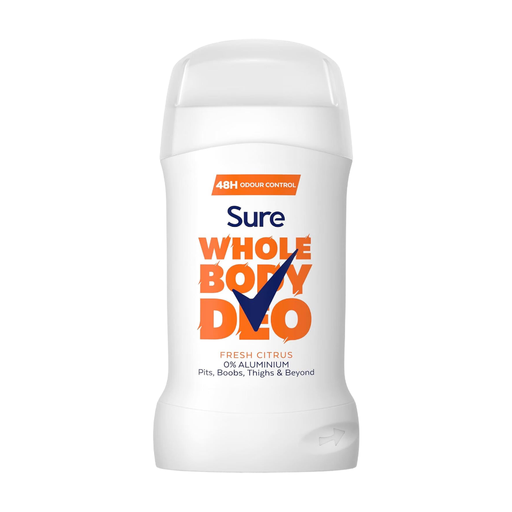
Why This Fits Their Persona: The compact 50ml stick is designed for odour control on areas such as underarms, bust and thighs, making it convenient for an active routine or travel.
The directions specify external skin use and distinguish whole-body odour control from use on female intimate areas.
50ml stick; aluminium-free listing; citrus fragrance; glycerin-containing formula.
We have compiled a complete, real-time list of products that fully satisfy these strict selection criteria and UK safety regulations.
Neither is universally suitable for everyone. Choose an antiperspirant if reducing underarm wetness is important. Choose deodorant if your main concern is odour and you prefer an aluminium-free or lighter-feeling formula.
This depends on can size, spray duration and frequency. A 150ml can is generally easier to carry, while 200ml and 250ml formats may reduce how often you need to repurchase. Short, even sprays are usually sufficient; prolonged spraying wastes product and conflicts with aerosol safety guidance.
Only use a product on areas specifically permitted by its label. Whole-body deodorants may be intended for external skin such as underarms, torso, thighs, bust or feet, but they are not automatically suitable for internal or female intimate areas. Stop use if irritation occurs and follow the packaging directions.