
24/7 Customer Support

Free returns

Same-day & Next-day Delivery

Quality Guaranteed

Unlock Your Welcome Offers: FREE Delivery | Up to 80% OFF | Free 30-day JoyPlus trial
Download the APP
Making authentic wontons at home, whether for a comforting soup or a crispy fried snack, is a rewarding experience. However, the success of your dish often comes down to one crucial component: the wrapper. Navigating the world of wonton pastry can be confusing, with different styles, thicknesses and ingredients to consider. Finding the right wonton skins in the UK that deliver on both convenience and authentic texture can feel like a challenge.
This guide is designed to help you understand the key differences between the types of ready to use wonton wrappers available. We will walk you through what to look for and provide our recommendations to help you select the perfect pastry for your next culinary project, ensuring your homemade wontons are a delight to make and eat.
Before you add a pack to your basket, consider these points. The right choice depends entirely on the dish you plan to make.
The two most common styles you will encounter are Shanghai and Hong Kong, and they serve different purposes.
The ingredient list reveals a lot about a wrapper's performance. Most are made from WHEAT flour, water and salt. Some, like the FRESHASIA Shanghai style, contain added wheat gluten, which increases the dough's elasticity and makes the wrappers more resilient during cooking. Others may include EGG, which adds flavour and contributes to a smoother texture.
The thickness is equally important. Thinner wrappers cook faster and provide a delicate mouthfeel, while thicker wrappers offer a satisfying chew and are more forgiving for beginners, as they are less likely to tear during folding.
For home cooks, frozen wonton pastry is an excellent choice. It preserves the freshness and texture of the dough, offering a long shelf life when stored correctly (at or below -18°C). They are ready to use after a short thawing period at room temperature, saving you the considerable effort of making and rolling dough from scratch. This allows you to focus on perfecting your delicious fillings.
Here are a few standout options available for delivery in the UK, each suited to different culinary goals.
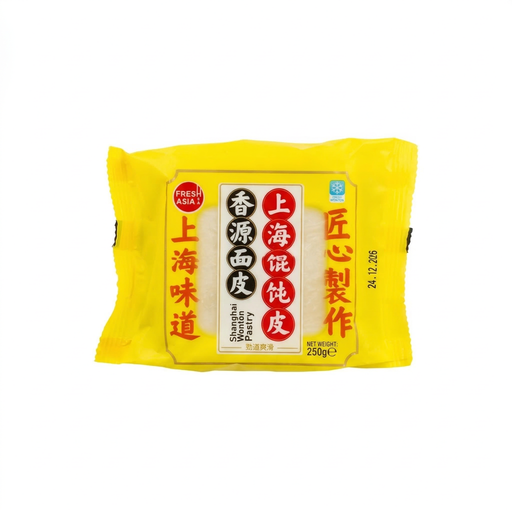
Why It Stands Out: This pastry is specifically designed for making authentic Shanghai-style wontons. The inclusion of wheat gluten gives the wrappers impressive strength and elasticity, meaning they are thin yet firm and can withstand prolonged simmering in broth without breaking apart.
Pros:
Who is it for?: This is an excellent choice for home cooks aiming to create classic, large Shanghai wontons for soup. If your main concern is a wrapper that won't disintegrate, this is a reliable option.
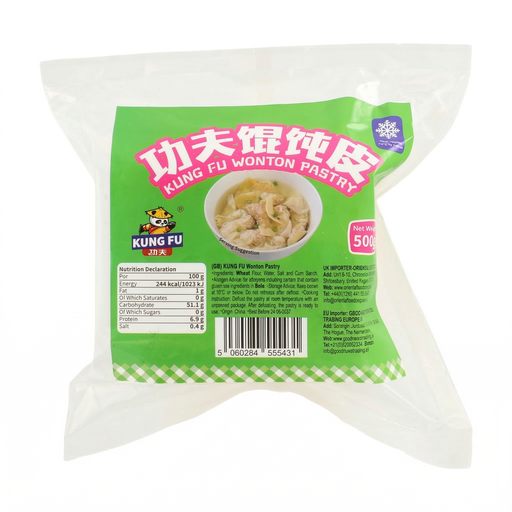
Why It Stands Out: Offering great value with a larger 500g pack, these thin, square-shaped wrappers are a versatile staple for any freezer. Made with wheat flour and egg white powder, they are pliable and easy to work with after a quick thaw, suitable for a wide range of wrapped delicacies beyond just wontons.
Pros:
Who is it for?: Ideal for cooks who make wontons regularly or are planning a large gathering. Its versatility also makes it a good all-rounder if you want one type of wrapper for multiple East Asian dishes.
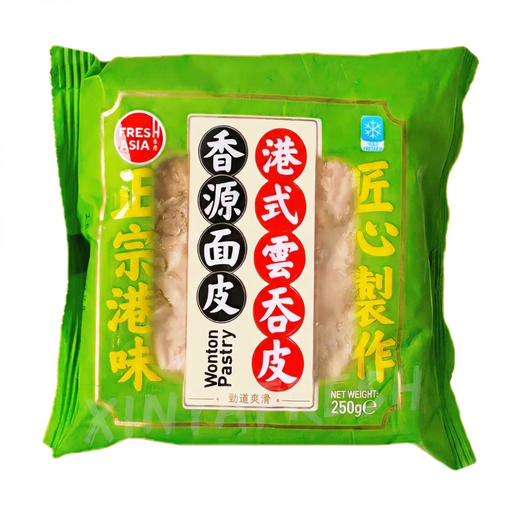
Why It Stands Out: These wrappers are crafted to replicate the authentic texture of Cantonese dim sum. They are exceptionally thin and resilient, cooking up to a smooth, almost silky consistency that glides in the mouth. This makes them the perfect vehicle for delicate fillings like prawn and pork.
Pros:
Who is it for?: For the culinary enthusiast looking to recreate the delicate wontons found in Cantonese noodle shops or dim sum restaurants. If a slippery, smooth wrapper is what you're after, this is the one to choose.
While these recommendations cover the most popular styles, your recipe might call for something different. Perhaps you need round Chinese dumpling wrappers for gyoza, or thicker pastry for spring rolls. To see a wider variety of options for all your culinary needs, feel free to browse our complete collection.
Explore our full range of pastry wrappers to find the perfect match for your next dish.
Q1: What is the difference between wonton wrappers and dumpling wrappers? A: The main differences are shape and thickness. Wonton wrappers are typically square and very thin, designed to become silky and delicate when boiled. Dumpling wrappers (like those for gyoza or jiaozi) are usually round and thicker, resulting in a chewier texture that holds up well to pan-frying.
Q2: How do I stop my wontons from falling apart when cooking? A: First, choose a quality wrapper designed for boiling, especially one with good elasticity. Second, do not overfill the wontons; a teaspoon of filling is usually enough. Third, seal the edges tightly by dabbing a finger in water and pressing the pastry together firmly. Finally, cook them in water that is at a gentle simmer, not a vigorous, rolling boil, which can tear the delicate skins.
Q3: Can I use wonton pastry for other dishes? A: Absolutely. Wonton wrappers are incredibly versatile. You can cut them into strips and fry them to use as a crunchy salad topper, press them into muffin tins to make mini tartlet shells, or use them to create fried snacks like crab rangoon or sweet dessert parcels filled with chocolate and banana.