
24/7 Customer Support

Free returns

Same-day & Next-day Delivery

Quality Guaranteed

Unlock Your Welcome Offers: FREE Delivery | Up to 80% OFF | Free 30-day JoyPlus trial
Download the APP
As your little one starts pulling themselves up and taking those first wobbly steps, a baby walker can seem like the perfect companion for their new adventures. A classic wooden baby walker, in particular, appeals to many UK parents for its durability, timeless aesthetic and focus on developmental play. However, the market is filled with options that look great on screen but fall short in practice.
I’m Joy, your Product Recommendation Officer at Joybuy. My role is to help you navigate the choices and highlight the practical details that matter. Before you add a walker to your basket, let’s look at three common pitfalls that can lead to disappointment and a toy that gathers dust in the corner.
By keeping these points in mind, you can choose a first steps baby walker that is not only safe and enjoyable but also a valuable tool for your child's development.
To ensure you're investing in a product that delivers on its promises, focus on these core parameters. These are the non-negotiable features that separate a well-designed walker from a poorly made one.
The most critical feature of any push along walker is its stability. Look for a wide base, often in a triangular or sturdy square shape, which provides a low centre of gravity and prevents tipping.
Equally important are the wheels. The ideal design includes rubber-trimmed wheels. This feature serves two purposes: it protects your floors from scratches and provides essential grip, preventing the walker from moving too fast and allowing your child to control their pace. For your peace of mind, always check that the product complies with UK safety standards, indicated by UKCA and EN-71 certification.
A great toddler walker with activities should function as a mobile wooden activity centre. Instead of passive electronic entertainment, look for features that encourage cognitive and motor skill development. These include:
These tactile elements provide lasting play value, making the walker a beloved toy long after your child is walking confidently.
To help you match a product to your specific needs, here are a few options that align with different parenting priorities and household settings.
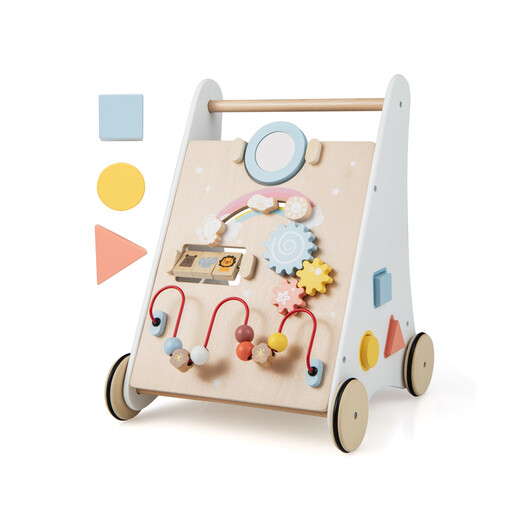
Why This Fits Their Persona: This is for the parent seeking a classic, multi-functional wooden toy that supports walking while offering long-term play value. It’s a perfect all-in-one solution for a child’s first year.
Its stable triangular structure counters tipping risks. The wheels feature non-slip rubber rings to protect floors and provide grip. The 7-in-1 activities are purely developmental, avoiding electronic overstimulation.
Features a 7-in-1 activity centre with a shape sorter, maze and gears for lasting engagement. Includes a rear storage shelf for other toys.
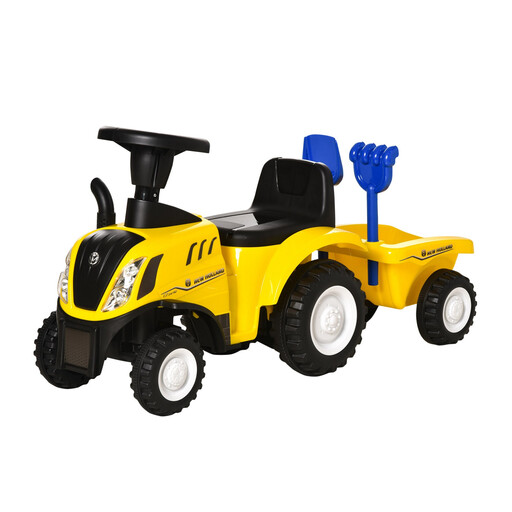
Why This Fits Their Persona: Ideal for families with garden space or who want a toy that transitions from a walker to a fun ride-on. It's built to handle different surfaces and grow with the child.
This model's primary function is as a stable, foot-to-floor ride-on, which also aids walking confidence. Its six textured tyres are designed for varied surfaces, avoiding the limitations of simple indoor wheels.
A versatile 2-in-1 design that serves as both a push walker and a ride-on toy. Includes a fun storage box and sand toys for outdoor play.
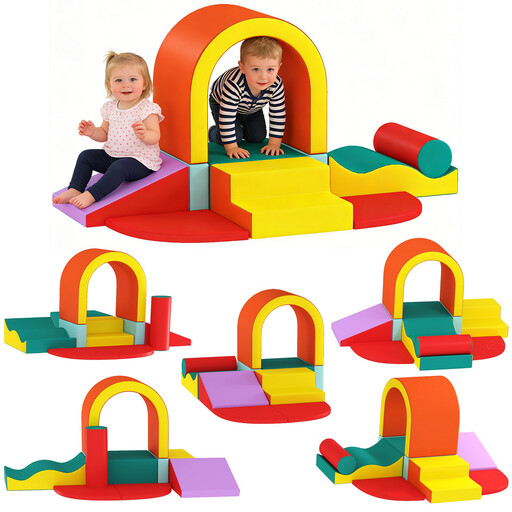
Why This Fits Their Persona: For parents who prioritise creating a completely safe environment for motor skill development and may be hesitant about walkers. This set encourages crawling, climbing and pulling up without any mobility risks.
This set completely removes the tipping and floor-damage risks associated with walkers. It provides a cushioned, stable, and stationary environment for a child to build strength and coordination at their own pace.
A 10-piece modular set that allows for endless configurations to keep play interesting. The wipe-clean PU surface and high-density foam offer a safe and hygienic play space.
We have compiled a complete, real-time list of products that fully satisfy these strict selection criteria and UK safety regulations.
A push along walker is generally suitable once a child can confidently pull themselves up to a standing position and shows a clear interest in moving around. This typically happens between 9 and 12 months of age. Always refer to the manufacturer's specific age recommendations and ensure constant supervision during use.
Many child development advisors in the UK favour push along walkers. They encourage a more natural walking posture, requiring the child to balance, steer and support their own weight. This active engagement is excellent for developing core strength, coordination and confidence.
The key feature to look for is rubber-trimmed wheels. This simple but crucial detail provides a protective cushion between the walker and your floor, preventing scratches on wood, laminate or tile. The rubber also adds necessary friction, giving your toddler better control and preventing the walker from sliding away too quickly.