
24/7 全天候客户支持

免费退货

当日/次日达

品质保障

开启新人专享福利: 全场免邮 | 低至 2 折 | 免费试用 30 天 JoyPlus 会员
下载 Joybuy
A wooden planter with a trellis can transform a bland patio, balcony or small garden into a lush, vertical oasis. It’s the perfect solution for growing climbing flowers, aromatic herbs or even fresh vegetables when ground space is at a premium. However, the dream of a vibrant green wall can quickly turn into a costly mistake.
Many find their exciting new garden feature becomes a wobbly, rotting disappointment after just one British winter. Before you buy, it’s crucial to understand the common design flaws that separate a durable, long-lasting planter from one destined for the skip.
To ensure your investment thrives for years to come, focus on a few non-negotiable features. Analysing these core parameters will help you select a functional and durable raised garden bed with trellis.
The longevity of your planter depends almost entirely on the wood. Look for planters made from naturally rot-resistant timber like cedar or from pressure-treated pine. Pressure treatment forces preservatives deep into the wood, providing far greater protection against moisture and pests than a simple surface stain. If a planter is made from untreated wood, be prepared to apply at least two coats of a high-quality, garden-safe wood preservative before planting.
Pay close attention to how the trellis is attached to the planter base. A well-designed vertical garden planter will have its trellis uprights integrated into the main frame or bolted on securely. Avoid models where a thin lattice is merely stapled to the back. The grid itself should be sturdy enough to hold the weight of a fully grown plant, especially in windy conditions. A robust trellis is essential for supporting everything from sweet peas to climbing beans.
The size of the planter box dictates what you can grow. A shallow trough planter for climbing plants might be fine for annual flowers, but a wooden vegetable planter requires more depth. Aim for a soil depth of at least 30cm (12 inches) for root vegetables like carrots or for thirsty plants like tomatoes. Crucially, check the base for pre-drilled drainage holes. If they are absent or too small, you will need to drill them yourself to prevent your plants' roots from drowning.
Based on these practical considerations, we've matched a few options to different gardening styles and goals.
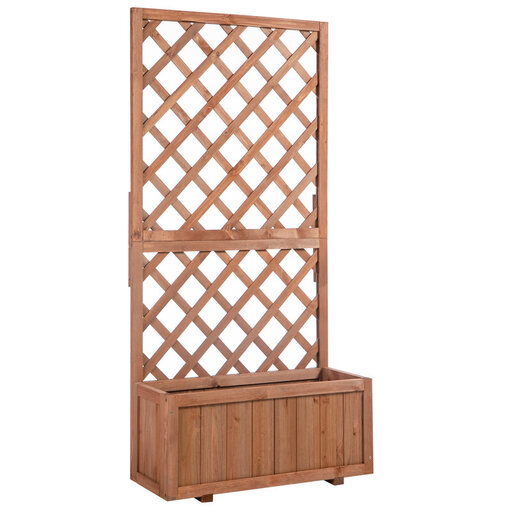
Why This Fits Their Persona: This is an excellent choice for the UK gardener focused on function. It's designed for growing substantial climbing plants, vegetables or flowers, making it a true workhorse for a patio or small garden.
It features a solid wood construction and an integrated back trellis that provides a sturdy framework, directly addressing the 'flimsy trellis' flaw.
The generous 45-litre planter box provides ample room for root development, and the solid wood can be easily treated or painted to match your outdoor decor.
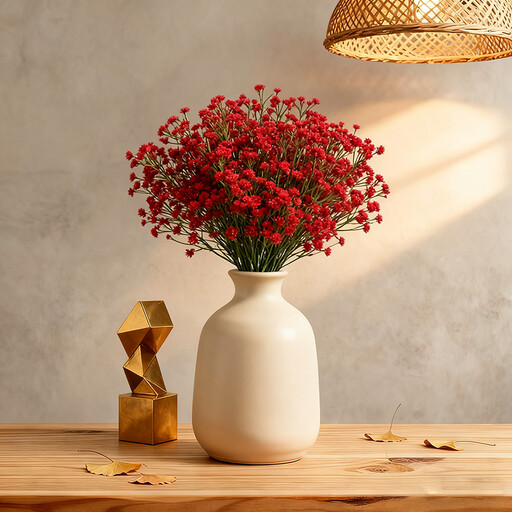
Why This Fits Their Persona: For those who want instant and guaranteed colour. While waiting for real climbers to establish or for a low-maintenance solution, weaving these through a trellis provides an immediate decorative effect.
This sidesteps the risk of planting failure or slow growth by offering a weatherproof, vibrant look from day one. There's no need to worry about soil conditions or watering.
The silk and plastic materials are designed for a realistic appearance and require no maintenance, providing a lasting splash of colour on your patio trellis.
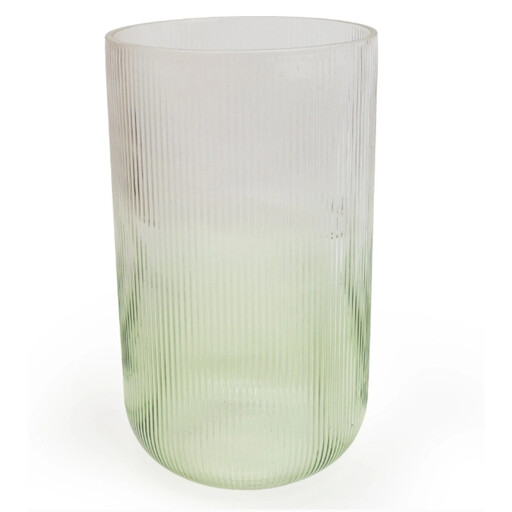
Why This Fits Their Persona: Once your climbing roses or sweet peas are in bloom, you'll want to bring that beauty indoors. This vase is perfect for displaying cuttings from your new vertical garden on a mantelpiece or dining table.
This extends the enjoyment of your garden beyond the patio. It provides a stylish, dedicated home for your blooms, ensuring your gardening efforts are appreciated indoors and out.
The contemporary two-tone ridged glass design adds a touch of modern elegance, complementing the natural beauty of fresh flowers without overpowering them.
We have compiled a complete, real-time list of products that fully satisfy these strict selection criteria and UK safety regulations.
The most effective method is to choose a planter made from pressure-treated wood. For any wooden planter, you can significantly extend its life by lining the inside with a heavy-duty plastic liner (remembering to poke holes through it that align with the planter's drainage holes). This creates a barrier between the damp soil and the timber. Additionally, raising the planter slightly off the ground with 'pot feet' allows air to circulate underneath, preventing moisture from being trapped at the base.
A wide variety of plants thrive in this setup. For flowers, consider annual climbers like sweet peas, nasturtiums and morning glory. Perennial options include climbing roses, clematis and jasmine. For a wooden vegetable planter, climbing beans, peas and even vining varieties of squash and cucumber are excellent choices. You can also train tomato plants up the trellis.
Plant depth is crucial for a healthy harvest. For leafy greens, herbs and shallow-rooted plants like radishes, a depth of 20-25cm (8-10 inches) is sufficient. For deeper-rooted vegetables like carrots, potatoes and tomatoes, you should aim for a soil depth of at least 30-40cm (12-16 inches) to allow ample room for root development. Always check the specific requirements of the vegetables you intend to grow.