
24/7 全天候客户支持

免费退货

当日/次日达

品质保障

开启新人专享福利: 全场免邮 | 低至 2 折 | 免费试用 30 天 JoyPlus 会员
下载 Joybuy
Wooden puzzles offer a satisfying, tactile experience that cardboard simply can't match. Whether you're looking for engaging educational toys for your children, a complex 3D wooden puzzle to challenge yourself or a unique craft gift, the right choice can provide hours of enjoyment. However, the market is filled with options that can lead to frustration and wasted money. Many buyers find themselves with a box of splintered, ill-fitting pieces or a model that is either too simple or impossibly complex.
As the Joybuy Product Recommendation Officer, my role is to help you navigate these common issues. Before you add that promising-looking puzzle to your basket, let's look at the frequent pitfalls and how to sidestep them.
To ensure you're investing in a quality product that meets your expectations, focus on a few key parameters rather than just the marketing claims.
The material is the foundation of any good wooden puzzle. Look for descriptions that specify the type of wood used. High-quality plywood is the standard for most wooden model kits and offers a great balance of strength and precision. For puzzles intended for toddlers, solid wood with a non-toxic paint finish is often a durable and safe choice.
Regardless of the wood type, the finish is crucial. Pieces should be described as having smooth, burr-free edges. This indicates a higher-quality laser-cutting process, which is essential for both safety and ensuring a snug, satisfying fit during assembly.
To avoid a mismatch in difficulty, look beyond the age rating and consider the puzzle's mechanics.
Consider the puzzle's purpose after completion. Is it purely a decorative piece, a functional object or something to be taken apart and rebuilt? If you plan to display your finished work, check that the design is stable and the materials are durable. For functional items like puzzle boxes or mechanical models, ensure the moving parts are designed for repeated use.
Based on these practical criteria, here are a few recommendations matched to different types of puzzlers.
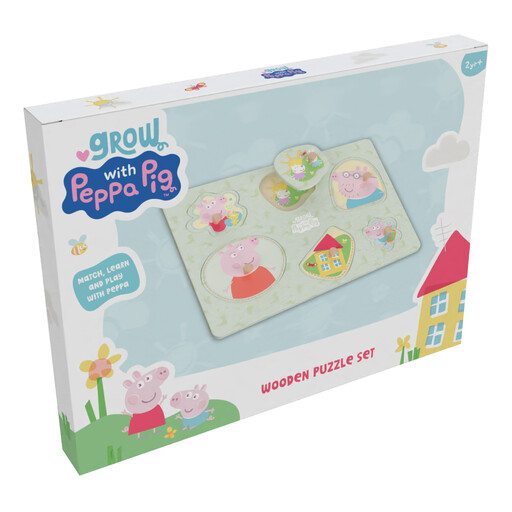
Why This Fits Their Persona: Perfect for toddlers in the UK, this puzzle combines a familiar character with a simple, effective learning tool. It's designed for small hands to develop hand-eye coordination and problem-solving skills in a playful way.
It directly counters the "splinter and snap" trap. The pieces are made from durable, solid wood with smooth, rounded edges, ensuring they are safe and robust enough for repeated toddler play.
The chunky, lift-out design is easy for small hands to grasp. The sturdy wooden base keeps pieces secure and makes for tidy storage.
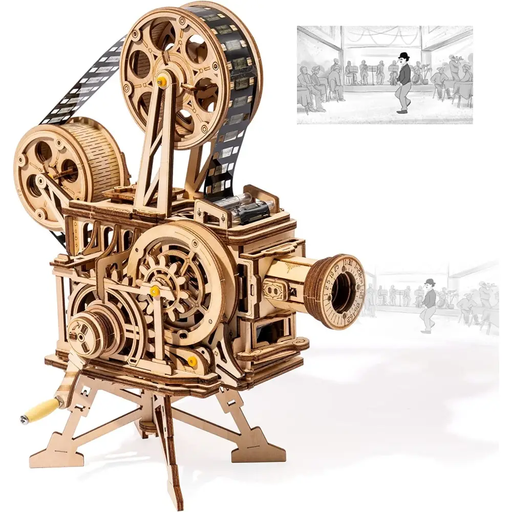
Why This Fits Their Persona: This is for the adult or teen hobbyist seeking a truly engaging project. It's more than a static model; it's a working, hand-cranked film projector. It provides a deep sense of accomplishment for those who love mechanics and intricate builds.
It avoids the "misleading complexity" trap by providing clear metrics: 183 pieces and an estimated 5-hour assembly time. The precision laser-cut plywood ensures parts fit correctly for the mechanical functions to work.
This is a battery-free, functional model. The hand-crank generator powers the light bulb, making it a fascinating piece of engineering and a great conversation starter once built.
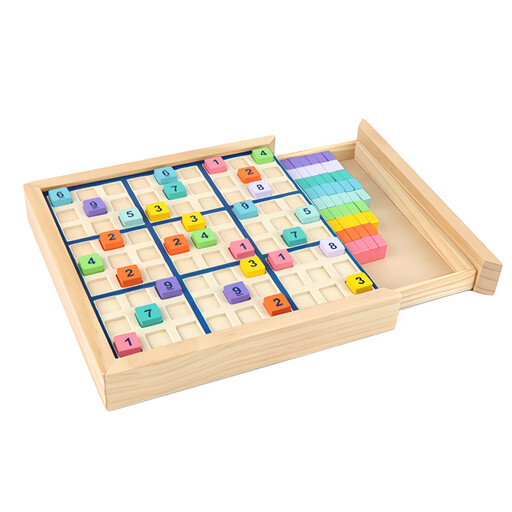
Why This Fits Their Persona: This is an excellent screen-free activity for the whole family. It elevates the classic pen-and-paper Sudoku into a tactile, reusable board game that can be enjoyed by both kids learning numbers and adults seeking a classic brain teaser.
It avoids the "durability illusion" by being a solid, self-contained wooden board game. The integrated drawer for storing the number tiles means it's built to last and won't suffer from lost pieces or warping.
The set includes multiple grid sizes (4x4, 6x6 and 9x9), allowing the difficulty to be scaled for different ages and skill levels.
We have compiled a complete, real-time list of products that fully satisfy these strict selection criteria and UK safety regulations.
Proper care is simple. For both 2D and 3D puzzles, avoid exposure to direct sunlight and high humidity, which can cause wood to warp or fade. To clean, gently wipe the pieces with a soft, dry cloth. Avoid using water or cleaning solvents, as they can damage the wood and any printed or painted finishes. Store puzzles in their original box or a dry, sealed container to prevent pieces from getting lost.
It depends on your priorities. Wooden puzzles offer superior durability and a more satisfying tactile feel. They can be assembled countless times without showing wear, making them a great long-term investment, especially for children. Cardboard puzzles, on the other hand, are typically less expensive and offer a wider variety of high-resolution images. For a one-time challenge or a specific art print, cardboard may be suitable. For longevity and a premium feel, wood is often the preferred choice.
Absolutely. Most 3D wooden puzzles and wooden model kits are designed with display in mind. Once assembled, they are sturdy, decorative objects. For permanent display, some hobbyists choose to apply a thin coat of wood glue to key joints during assembly, but this is often not necessary if the pieces fit snugly. Simply place your finished model on a shelf or desk away from direct sunlight and enjoy your handiwork.