
24/7 Customer Support

Free returns

Same-day & Next-day Delivery

Quality Guaranteed

Unlock Your Welcome Offers: FREE Delivery | Up to 80% OFF | Free 30-day JoyPlus trial
Download the APP
As a Joybuy Product Recommendation Officer, I see many parents and grandparents drawn to the timeless appeal of wooden toys. They evoke a sense of quality, durability and screen-free play. However, the market is filled with options that look good online but fail to deliver on their promise. Many well-intentioned buyers end up with toys that are either unsafe, fall apart quickly, or simply gather dust.
Before you invest, it's crucial to be aware of a few common pitfalls that can lead to disappointment and wasted money:
To ensure you're choosing a toy that is safe, durable and will be cherished for years, focus on these key parameters rather than marketing buzzwords.
The single most important factor is the material and its certified safety. In the UK, all toys must comply with specific safety regulations.
A well-designed toy considers both the child's enjoyment and the parent's practical needs.
Based on these practical criteria, here are a few wooden toys that match different family needs and play styles.
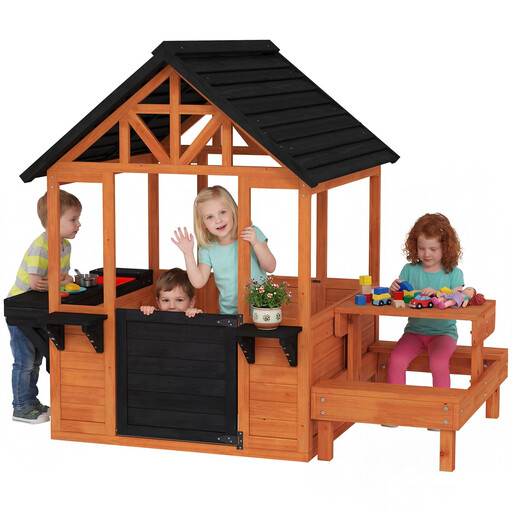
Why This Fits Their Persona: This playhouse turns a patch of the garden into a hub for imaginative play. It's ideal for families who want to encourage social, outdoor activities and have space for a permanent play structure that can host playdates for years.
It is constructed from solid fir wood with a water-based paint finish, directly addressing the pitfall of flimsy materials that can't handle UK weather. The open design also allows for easy supervision.
The multi-functional design, including a snack bar window, benches and a sink table, provides multiple avenues for role-playing, extending its play value far beyond a simple wendy house.
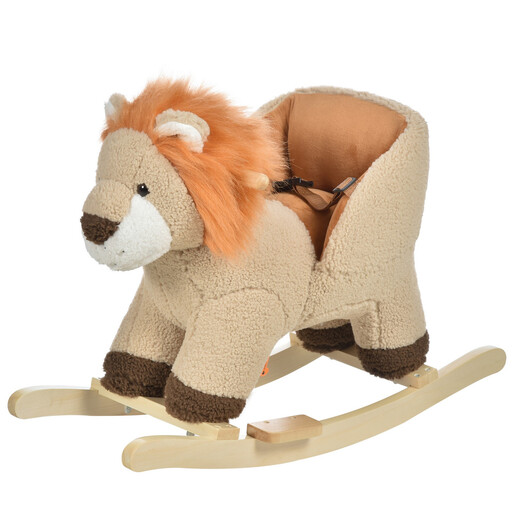
Why This Fits Their Persona: This is a classic first toy for a toddler, perfect for a special gift. It focuses on developing balance and motor skills in a safe, comforting way, making it ideal for children aged 18-36 months.
It directly solves the age-mismatch problem. The high-back plush seat and included seatbelt are specifically designed for the toddler age group, ensuring they feel secure and supported while playing.
It combines the sturdiness of a traditional wooden rocking base with the comfort and sensory appeal of a soft, plush toy. The addition of sound provides extra engagement.
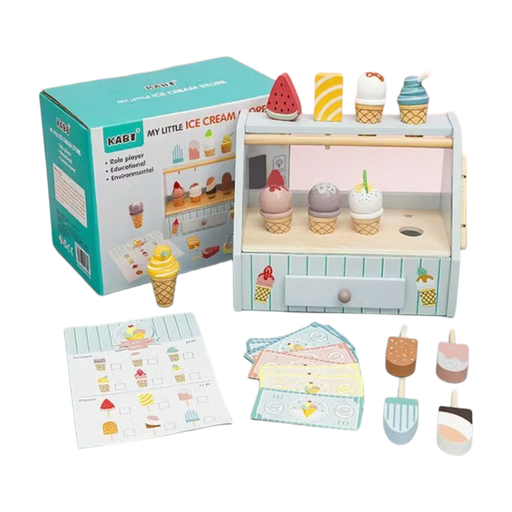
Why This Fits Their Persona: This is an excellent choice for encouraging imaginative role-play indoors, perfect for rainy days or smaller living spaces. It helps develop social skills, numeracy and creativity, thanks to its small footprint.
This toy is made from a mix of solid wood and MDF, finished with mild water-based paint and smooth, rounded edges. It complies with EN 71 standards, ensuring it is safe for hands-on play.
It comes ready to play straight out of the box with no assembly required. The inclusion of play money, a flip-top counter and an acrylic display board offers a rich, interactive experience from the start.
We have compiled a complete, real-time list of products that fully satisfy these strict selection criteria and UK safety regulations.
How do I maintain wooden garden toys in the UK weather? For items like sandpits and playhouses, ensure they are assembled on level, well-drained ground. At the start of each spring, check all fixings are tight and apply a child-safe wood sealant or protector, especially to any areas showing signs of wear. Using a waterproof cover during the wet winter months will significantly extend the life of the toy.
Are wooden toys actually safer than plastic ones? Not automatically. Safety depends on the quality of manufacturing, not just the material. A high-quality wooden toy that is EN 71 certified, made from solid wood with non-toxic paint and splinter-free edges, is an exceptionally safe choice. Conversely, a poorly made wooden toy can be more hazardous than a well-made plastic one. Always prioritise certified safety over material type.
At what age can a child start using educational wooden puzzles? Simple "lift-out" puzzles with large, chunky knobs can be introduced from around 18 months to 2 years. These help develop the pincer grasp and shape recognition. As the child's fine motor skills improve, you can move on to interlocking jigsaw puzzles, starting with 4-6 large pieces around age 3 and progressing from there. Always check the manufacturer's recommended age and be mindful of small parts.