
24/7 全天候客户支持

免费退货

当日/次日达

品质保障

开启新人专享福利: 全场免邮 | 低至 2 折 | 免费试用 30 天 JoyPlus 会员
下载 Joybuy
Whether you are fitting shelves, making furniture, repairing a fence or preparing timber for a larger building project, the right woodworking hand tools can make the work more controlled and less wasteful. The challenge is knowing which specifications matter and which marketing features add little practical value.
A cheap tool can become a false economy if its blade dulls quickly, its handle causes discomfort or its measurements are difficult to read. Before buying, look beyond colour, packaging and broad claims such as “professional quality”. Focus on the tool’s intended material, dimensions, adjustment system and maintenance requirements.
A general-purpose saw may handle softwood, but it is not automatically suitable for MDF, plywood, plastic or metal. Tooth spacing, blade length and blade construction all affect the cut. A fine handsaw is more appropriate when a clean edge is important, while a universal handsaw is useful for general timber work.
A product may include spare blades, staples or accessories, but these do not compensate for a tool that is unsuitable for the job. Check whether replacement consumables are available, whether the blade or fastening mechanism matches your material and whether the included parts are the correct size.
Woodworking measuring tools need clear graduations and a secure adjustment system. A loose square or sliding bevel can introduce errors across an entire project. Similarly, a folding pruning saw should lock securely in both open and closed positions, while a staple gun should load consistently without frequent jams.
For hand saws, blade length determines how much timber can be engaged in each stroke. A 550mm blade can be useful for longer cuts, while a shorter folding pruning saw is easier to carry outdoors.
Tooth count is usually expressed as TPI, or teeth per inch. Lower TPI saws tend to remove material quickly, whereas an 11/12 TPI fine-toothed blade is designed for smoother cuts in sheet materials such as MDF, plywood and chipboard. Always support the workpiece properly to reduce splintering.
A steel blade should be sufficiently rigid for the work without being difficult to control. The IRWIN Jack 880 Universal Hand Saw, for example, uses a C75 steel blade, a PTFE coating and a triple-ground tooth design. Its listed specifications make it suitable for users seeking a general-purpose saw with reduced blade friction.
Handle design also matters. A soft grip can improve control during repeated strokes, but fit and balance are personal considerations. For powered tools, check the blade-change system, speed control and safety lock-off features before purchase.
A combination square should have readable graduations and a head that locks firmly onto the ruler. Dual metric and imperial scales can be useful for projects involving plans, fittings or materials marked in different systems.
The WORKPRO 12-inch Combination Square has a 300mm ruler, metric and imperial markings, a bubble level and an integrated scriber. For more flexible angle work, a set containing a try square and sliding bevel can cover fixed and adjustable layouts. Do not use precision squares as striking tools or levers, as impact may affect their accuracy.
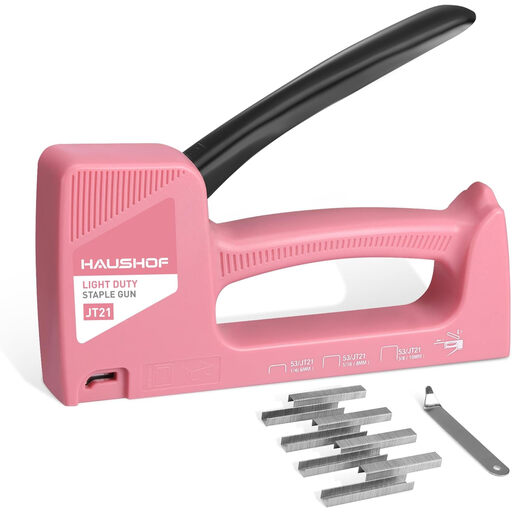
Why This Fits Their Persona: A practical starting option for light upholstery, fabric repairs, craft projects and home decoration without buying several separate accessories.
It states compatibility with Type 53 staples and identifies suitable light-duty materials, helping prevent unsuitable use on hard materials.
Easy-squeeze design, anti-jam mechanism, quick-release magazine, 800 included 8mm staples and a staple remover.
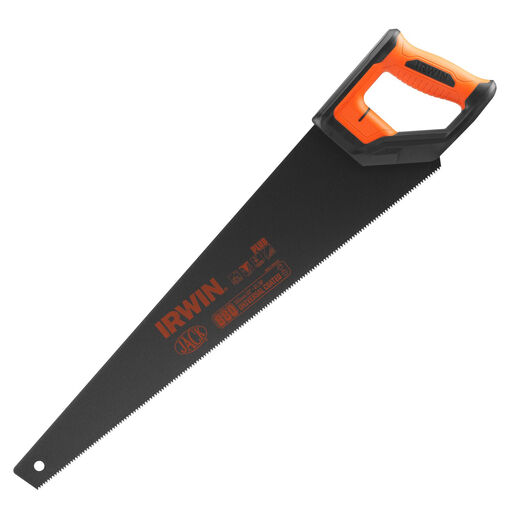
Why This Fits Their Persona: A suitable choice for DIY users, carpenters and joiners who want one 550mm hand saw for regular timber-cutting tasks.
The product information specifies its C75 steel blade, 8 TPI tooth pattern and intended universal cutting role rather than presenting it as a solution for every material.
PTFE-coated blade, triple-ground teeth and integrated 90° and 45° marking guides in the handle.
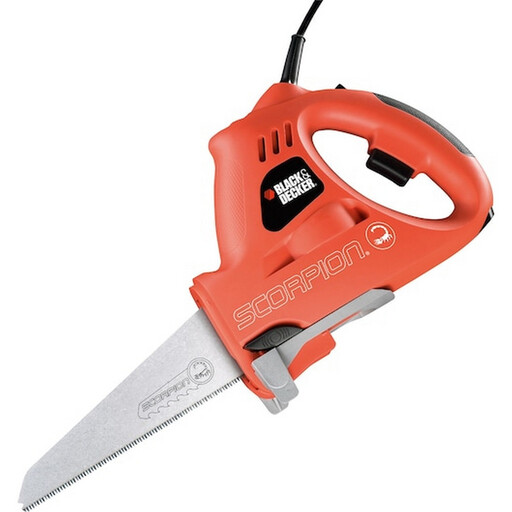
Why This Fits Their Persona: Useful for home improvement users and tradespeople who need powered cutting for wood, metal and plastic, subject to selecting the correct blade.
It lists three blade types, variable speed control and a tool-free blade-change system, making material selection clearer before operation.
400W motor, dual handsaw and jigsaw function, fingertip variable speed and safety lock-off switch.
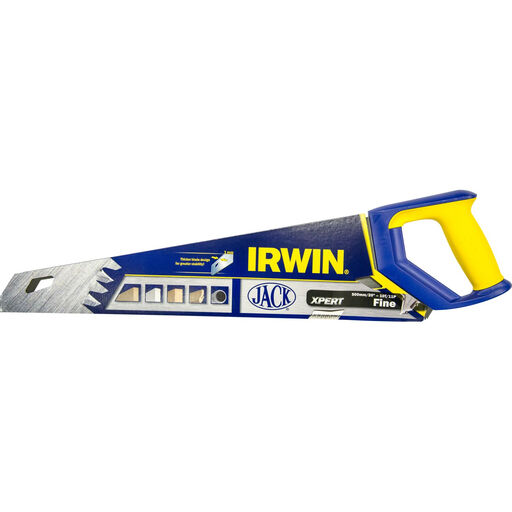
Why This Fits Their Persona: Designed around clean cutting in sheet materials, making it relevant to cabinet makers, furniture makers and users handling MDF or plywood.
Its 11/12 TPI specification clearly indicates a fine-cutting purpose, rather than leaving buyers to guess from a general-purpose label.
550mm blade, soft-grip handle and fine teeth intended for plywood, chipboard, MDF and similar sheet materials.
For gardeners, a folding pruning saw is more convenient to carry than a full-size carpentry saw. The FLORA GUARD ZDJ-1 has a 17.8cm blade, TPR handle and folding design. For soft wood, PVC, rubber seals and mouldings, the FLORA GUARD DIY-1 mitre shears offer 45° to 135° angle adjustment and two replacement SK5 blades. Neither tool should be used outside its specified material capacity.
We have compiled a complete, real-time list of products that fully satisfy these strict selection criteria and UK safety regulations.
Start with a general-purpose hand saw, a combination square, a tape measure, a marking pencil and a fastening tool suited to your project. Add a fine handsaw when working with MDF, plywood or furniture panels, rather than relying on a coarse saw for every cut.
An electric handsaw uses mains electricity and may reduce physical effort on repeated cuts, but its running cost depends on usage time and the tool’s rated power. A 400W model operating for one hour consumes 0.4kWh. Hand saws have no electricity cost but require suitable blades and manual effort.
Lifespan depends on material quality, frequency of use, storage and maintenance. Keep steel parts dry, avoid forcing blades through unsuitable materials and replace consumables when they become dull or damaged. A tool used within its stated capacity is more likely to remain useful than one selected only for its low purchase price.