Who is choosing the drinks?
The useful choice depends on whether this is an ordinary seated meeting or one connected to physical activity.
Organisers offering a flavoured option
For a seated meeting, you may want something alongside water without making a sugar-containing sports drink the default. The NHS suggests diet, sugar-free or no-added-sugar drinks as alternatives to sugary drinks.
Teams meeting after light activity
Attendees arriving after a walk or another low-intensity activity may appreciate a flavoured option. Retailers describe Lucozade Sport Zero as a zero-sugar drink positioned for low-intensity exercise, but that positioning does not mean everyone needs an electrolyte drink.
Organisers serving different preferences
Offering water alongside a flavoured drink gives attendees a choice. If the meeting follows exercise, a carbohydrate-containing sports drink can be a separate option for those who want one; keep the exact pack information available so people can check ingredients and sweeteners.
What matters when choosing?
Start with the meeting’s activity level, then compare the exact drinks and pack sizes you plan to serve.
| Priority |
What to check |
Your needs |
| Sugar and serving size |
Check sugar and energy on the exact drink’s nutrition panel. Compare values using the same basis, such as per 100 ml or per serving, and note the bottle size. |
I want a flavoured option without choosing a sugar-containing sports drink for everyone. A zero-sugar label matters here, but I still want to know what a whole bottle contains. |
| Activity and drink type |
For an ordinary seated meeting, consider water first, as the NHS recommends it for hydration. If choosing an isotonic drink for an activity-related occasion, check whether it contains carbohydrates; Coca-Cola GB describes standard Powerade in that exercise context. |
For a routine meeting, I need a straightforward drink choice. If attendees have been exercising and want carbohydrates, I may also offer a standard sports drink. |
| Ingredients and suitability |
Read the ingredient list, sweetener declaration and any dietary-suitability information on the exact pack. Check salt or sodium information if it matters to the choice. |
People should be able to see what is in the drink before taking one. Keeping the bottle or product information at the refreshment table makes that easier. |
| Quantity and availability |
Check bottle volume, multipack count and how many attendees the order needs to cover. Confirm stock for the intended delivery area and date. |
I need enough drinks for the meeting and an acceptable alternative if my chosen pack cannot be ordered. |
Brand and retailer references
A brand name or retailer category does not identify the sugar content of every drink in its range; compare individual packs.
Lucozade Sport
The range includes Sport Zero drinks as well as carbohydrate-containing sports drinks.
- Tesco and Asda list Sport Zero Orange & Peach as zero sugar; Tesco states 4 kcal per 250 ml and added sodium.
- Its low-intensity-exercise positioning does not make added electrolytes necessary for a seated meeting.
Powerade
Coca-Cola GB describes standard Powerade as an isotonic drink containing carbohydrates for exercise-related use; Tesco also lists a Powerade Zero variant.
- Tesco describes Powerade Zero Berry Tropical as zero sugar and calorie-free.
- Check the named variant and its current availability rather than assuming standard Powerade and Powerade Zero have the same formulation.
Gatorade
Gatorade UK describes its Hydration Booster as containing carbohydrates, electrolytes and B vitamins, and markets it as low in sugar.
- Its stated carbohydrate content gives buyers a reason to examine it separately from zero-sugar options.
- Do not substitute it for a zero-sugar drink without checking the exact pack’s nutrition label.
Tesco
Tesco product listings give pack-level information for Lucozade Sport Zero and Powerade Zero.
- The listed nutrition and ingredient details can help distinguish the two drinks.
- Check live stock for the intended delivery area before relying on either listing for a meeting order.
Sainsbury's
Sainsbury's lists sports drinks, including Lucozade Sport Zero Orange & Peach.
- Its product listing describes that Sport Zero variant as containing added sodium.
- Check the individual drink: placement in a sports-drinks category does not establish that it is zero sugar.
Asda
Asda lists Lucozade Sport Zero multipacks in Orange & Peach and Raspberry & Passion Fruit variants.
- Its listings identify the flavours as 4 × 500 ml packs and provide product-specific label details.
- Use the details for the chosen variant rather than applying them to every sports drink Asda lists.
Joybuy drink options
These options serve different purposes: a flavoured electrolyte water for the zero-sugar choice, and a carbohydrate-containing sports drink to consider when the meeting is connected to exercise. They are not interchangeable alternatives for a zero-sugar brief.
 No image available
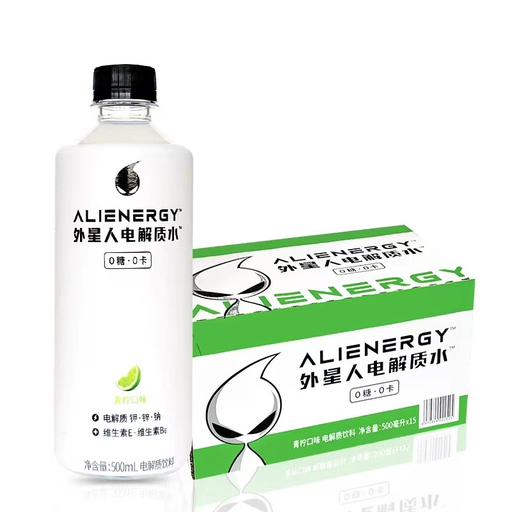
Chi Forest Alienergy Lime Electrolyte Water, 500 ml, 15-pack
Consider this lime-flavoured option if you want to offer something alongside water for attendees seeking a zero-sugar drink.
The pack contains 15 bottles of 500 ml. It is described as electrolyte water, not as a sports drink, so do not assume the same formulation.
Check the pack’s nutrition panel, electrolyte quantities and full ingredient list if those details affect your choice; confirm availability for the meeting date.
View on Joybuy
 No image available
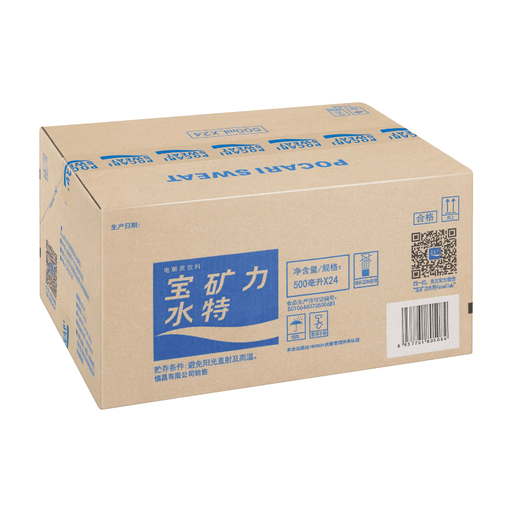
Pocari Sweat Sports Drink, 24 × 500 ml
Consider this separately if the meeting follows exercise and attendees want a carbohydrate-containing sports drink, rather than a zero-sugar option.
The pack contains 24 bottles of 500 ml. The product information states that the drink contains carbohydrates and sugar, so it does not meet a zero-sugar preference.
Check the bottle label for the exact nutrition and electrolyte information, and confirm availability before planning the order around this pack.
View on Joybuy
Questions about meeting drinks
Do people need zero-sugar sports drinks at a normal work meeting?
No sports drink is necessary for an ordinary seated meeting. The NHS recommends water for hydration and suggests diet, sugar-free or no-added-sugar drinks as alternatives to sugary drinks; a zero-sugar sports drink can simply be an optional flavoured choice.
When might a standard sports drink make sense instead?
It may be relevant when attendees have exercised and want a carbohydrate-containing drink. Coca-Cola GB describes standard Powerade in terms of replacing fluid and carbohydrates lost during exercise, not as a default refreshment for a seated meeting.
Does zero sugar mean zero calories?
No. Tesco describes Powerade Zero Berry Tropical as calorie-free but states 4 kcal per 250 ml for Lucozade Sport Zero Orange & Peach. Check the serving basis and bottle size when comparing the exact drinks.
What should I check before serving a zero-sugar drink to a group?
Check the exact pack’s nutrition panel, ingredients, sweetener declaration and any dietary-suitability information, then keep that information accessible to attendees. GOV.UK sets out sweetener-related labelling declarations, while the individual label identifies what is in the drink you are serving.
Is a retailer product page enough to plan the order?
Use it to identify the drink and pack size, but confirm stock for your delivery postcode and meeting date before ordering. Have another acceptable drink in mind if the selected pack is unavailable.


