Who is this choice for?
The useful distinction is whether you want a flavoured drink, food before training, or both.
Exercisers who want flavoured water
If you have already eaten, a diluted squash may be a drink to have before a routine session. Check the prepared-drink nutrition and follow the bottle’s mixing instructions rather than treating the concentrate as ready to drink.
People planning a pre-workout snack
For harder or longer training, or when you have not eaten for several hours, plan food separately from the squash. The British Dietetic Association identifies carbohydrate as a fuel for exercise, while University College London Hospitals NHS Foundation Trust describes carbohydrate-containing pre-training snacks for people who have missed a meal.
Ingredient-conscious squash buyers
Check the exact bottle if particular sweeteners, sulphites or a phenylalanine-source warning matter to you. These declarations differ between the products described here; the words “no added sugar” do not settle those ingredient questions.
What should you check before choosing?
Start with what the drink needs to do alongside your workout, then compare labels on the same prepared-drink basis.
| Priority |
What to check |
Your needs |
| Food and drink |
Check carbohydrate per diluted serving. If you need a pre-training snack because you have not eaten, plan the food separately; the amount and timing depend on your session and circumstances. |
I want a flavoured drink, but I also need to decide whether to eat before training. University College London Hospitals NHS Foundation Trust describes carbohydrate-containing snacks before training when a meal has been missed. |
| Prepared serving |
Compare energy and sugars for the drink as mixed, alongside each bottle’s dilution instructions. Waitrose & Partners lists Robinsons Orange at 3 kcal per 250 ml diluted at 1 part squash to 4 parts water; its Essential Summer Fruits is listed at 4 kcal and 0.5 g sugars per 250 ml at a suggested 1-to-9 dilution. |
For a flavoured drink, I want to know what is in the glass I will make, not just what appears on the front of the bottle. |
| Ingredients |
Read the current ingredients, allergen information and any phenylalanine-source warning. Also check the sugars line: “no added sugar” does not mean the prepared drink necessarily contains no sugars. |
Particular sweeteners or sulphites may affect my choice, so I need the declaration for the exact flavour and bottle. |
Brand and product-line references
These examples describe specific squash products and their labels, not every flavour made by each brand.
Robinsons
Robinsons Orange No Added Sugar Squash is a single-strength option with a stated diluted-serving basis.
- Waitrose & Partners lists 3 kcal per 250 ml when mixed at 1 part squash to 4 parts water.
- The Orange product lists acesulfame K, sucralose and sodium metabisulphite; check its current label if you avoid them.
Waitrose Essential
Its No Added Sugar Summer Fruits Squash is a double-strength option with a suggested 1-to-9 dilution.
- Waitrose & Partners lists 4 kcal and 0.5 g sugars per 250 ml prepared serving.
- Those serving figures depend on preparing the drink as directed; the product also lists sweeteners and sodium metabisulphite.
M&S Food
M&S lists no-added-sugar Orange Squash and a separate Pink Grapefruit High Juice product for shoppers comparing fruit content.
- Marks & Spencer describes its Orange Squash as containing 20% fruit and its Pink Grapefruit High Juice as containing 50% fruit juice.
- The Pink Grapefruit product lists sugars, sucralose and sulphites. Higher fruit content does not establish that it is sugar-free or suitable as workout fuel.
Vimto
Vimto No Added Sugar Squash is a mixed-fruit option with vitamins C and D declared on the product information.
- Waitrose & Partners lists 5 kcal and 0.8 g sugars per 250 ml diluted serving.
- It contains sucralose and acesulfame K. Declared vitamins do not make the drink a carbohydrate-containing snack.
Ribena
Ribena Blackcurrant Squash No Added Sugar is an option for shoppers who want a blackcurrant flavour.
- The product information lists blackcurrant juice from concentrate and instructs users to dilute the squash.
- Waitrose & Partners lists aspartame, acesulfame K, sodium bisulphite and a phenylalanine-source warning for this product.
No-added-sugar squash options on Joybuy
These are squash concentrates to consider as flavoured drinks alongside, rather than in place of, any pre-workout food you need. Check each bottle’s current label before comparing prepared servings or ingredients.
 No image available
Robinsons Orange No Added Sugar Squash 1L
An orange squash to dilute as a flavoured drink, rather than use as a carbohydrate-containing snack. Waitrose & Partners lists 3 kcal per 250 ml when mixed at 1 part squash to 4 parts water; check the current bottle if its sweeteners or sodium metabisulphite matter to you.
View on Joybuy
 No image available
Robinsons Summer Fruits No Added Sugar Squash 1L
A summer-fruits concentrate for flavoured water before exercise. Follow the bottle’s dilution directions and check its prepared-drink nutrition before comparing it with another flavour; check the ingredient declaration if sweeteners or sulphites matter to you.
View on Joybuy
 No image available
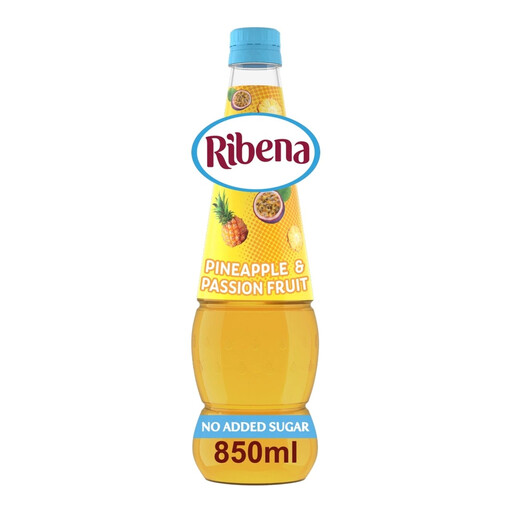
Ribena Pineapple and Passion Fruit No Added Sugar Squash 850ml
A pineapple-and-passion-fruit squash to dilute for a flavoured drink. Check the current bottle for mixing and prepared-serving details, and read its sweetener, sulphite and phenylalanine-source declarations if relevant to your choice.
View on Joybuy
 No image available
Ribena Blackcurrant No Added Sugar Concentrated Squash 1.5L
A larger blackcurrant concentrate to mix with water, not a substitute for pre-workout food. Check the current bottle’s dilution instructions and nutrition for the prepared drink before using an energy figure to compare it; read the ingredients and warnings if they affect your choice.
View on Joybuy
 No image available
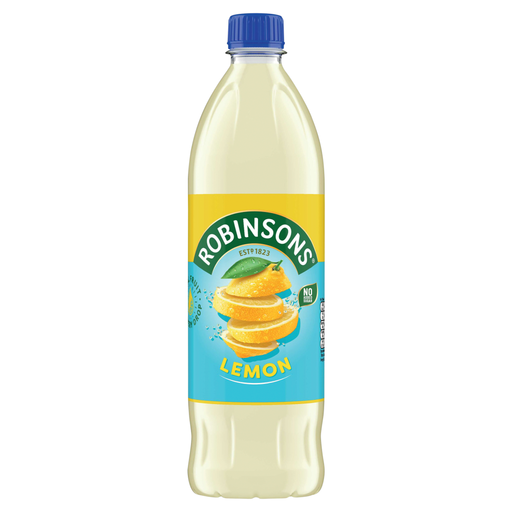
Robinsons Real Fruit Lemon No Added Sugar Squash 1L
A lemon squash concentrate for a citrus-flavoured drink before exercise. Use the current bottle to check dilution, prepared-serving nutrition and sweeteners before deciding whether it fits your drink and ingredient preferences.
View on Joybuy
Questions about squash before exercise
Can no-added-sugar squash be my pre-workout snack?
Treat it as a drink rather than assuming it provides the carbohydrate you need from food. The British Dietetic Association identifies carbohydrate as a fuel for exercising muscles, and University College London Hospitals NHS Foundation Trust describes carbohydrate-containing pre-training snacks when a meal has been missed; what and when to eat depends on the session and your circumstances.
Does “no added sugar” mean there are no sugars in the drink?
No. A no-added-sugar squash can still contain naturally occurring sugars. Check the nutrition information for the drink prepared as directed; Waitrose & Partners lists 0.5 g sugars per 250 ml prepared serving for Essential Summer Fruits.
How do I compare squashes with different mixing strengths?
Compare the nutrition for each drink after dilution, using its own mixing directions. Waitrose & Partners gives 1 part squash to 4 parts water for Robinsons Orange and suggests 1 part to 9 parts water for Essential Summer Fruits, so the concentrate alone is not the common serving basis.
What if I avoid certain sweeteners, sulphites or phenylalanine sources?
Read the ingredients and warnings on the exact bottle before choosing it. The products differ: Waitrose & Partners lists acesulfame K, sucralose and sodium metabisulphite for Robinsons Orange, while its Ribena Blackcurrant listing includes aspartame and a phenylalanine-source warning.
Which parts of a squash label help with this choice?
Check the mixing instructions, prepared-drink nutrition, ingredients and allergen information. Those details help you compare what will be in your glass and identify ingredients you need to avoid; UK government food-labelling guidance also identifies ingredients and allergens as information to look for on pre-packed food.


