High-volume workplace canteen buyers
Choose a dependable format for predictable lunch traffic, prioritising pack size, labour requirements, local availability and current allergen information over a premium single-pastry offer.


Choose ready-to-eat multipacks when lunch service needs quick setup and dependable volume. Frozen ready-to-bake croissants suit sites with freezer space, an oven and staff time for controlled batches, while premium individual pastries are more appropriate for smaller or occasional offers than a default bulk line.
Choose a dependable format for predictable lunch traffic, prioritising pack size, labour requirements, local availability and current allergen information over a premium single-pastry offer.
Frozen croissants can fit where there is freezer storage, an oven and staff able to follow cooking and storage instructions.
Individual croissants can work for smaller numbers or an occasional premium offer rather than the main volume line.
Choose when: Lunch setup needs to be quick and the canteen does not have dependable bake-off capacity.
Consider: Freshness depends on delivery timing, storage and the best-before date.
Choose when: The site has freezer capacity, an oven and staff time for controlled baking batches.
Consider: This route adds cooking, allergen-control and unsold-stock planning to lunch service.
Choose when: A smaller service needs an occasional individual pastry option.
Consider: Compare the current per-piece cost and demand before making this the standard line.
| Priority | What to check | Your needs |
|---|---|---|
| Service format | Check whether the product is ready to eat or requires frozen storage and baking. Confirm freezer space, oven capacity, preparation time and lunch-service volume. | I need a format that fits the equipment and staff time available before lunch service. |
| Allergen information | Check the current product label for wheat or gluten, milk and egg, plus any other declared allergens. Keep product-specific information available at service and manage cross-contact during handling. | I need clear, current allergen information for each croissant served. The Food Standards Agency requires allergen information for both prepacked and non-prepacked food and drink in retail and catering. |
| Servings and portion planning | Compare actual pack count and current per-piece cost rather than outer-pack price alone. Confirm that the product format matches the intended serving size. | I want to plan order quantities around usable servings, not just the number of packs. |
| Freshness and waste | For bake-off products, plan batch size, cooling and the handling of unsold stock. For ready-to-eat packs, check delivery timing and date life before ordering. | I need the service model to match likely demand so that opened or baked stock is not overproduced. |
Frozen croissants may need freezer storage and cooking before service. M&S identifies its ready-to-bake croissants as raw and requiring baking, while Joybuy-listed Pret butter croissants are marked as needing cooking.
Separate ready-to-eat and bake-from-frozen procurement. Confirm freezer capacity, oven time, cooking procedures and staff responsibility before ordering frozen products.
Ordering a frozen line without bake-off capacity can create avoidable staff workload and unsuitable service planning.
Croissants commonly contain wheat or gluten, milk and egg, and formulations can change. Current product labels are essential for service information and handling decisions.
Check the current physical or supplier label for every delivery, document the allergen information used in the canteen, and control cross-contact during handling and display.
Pack sizes and individual formats can lead to very different serving costs. Retail prices are useful reference points, but they are not catering quotations.
Calculate anticipated servings from the actual pack count and compare the current per-piece cost before using individual premium pastries as a routine line.
An individual premium pastry can carry a higher serving cost than a multipack product.
This phrase does not identify a standard croissant format for procurement.
Clarify the requirement before adding it to a specification. If it means wholemeal, reduced-fat, mixed-grain, chocolate-filled or another characteristic, state that requirement clearly and check each product against it.
A reference point for ready-to-eat own-label croissant multipacks, including standard all-butter packs and Tesco Finest formats.
A reference point for standard multipacks, individual all-butter croissants and a No.1 two-croissant option.
A reference point for in-store bakery croissants and frozen ready-to-bake all-butter croissants.
An in-store bakery reference option for an all-butter croissant, subject to selected-store availability.
These Joybuy options are frozen croissants for workplace canteens with freezer storage, oven capacity and a planned bake-off service.
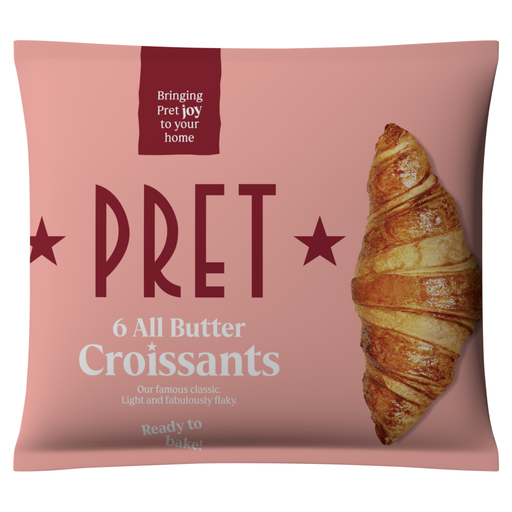 No image available
A frozen option for canteens with freezer and oven capacity that want a warm lunch-service offer.
Stated to bake from frozen in 20 minutes and to require storage at -18°C or cooler. Contains wheat, gluten, milk and egg; current label checks and allergen communication remain necessary.
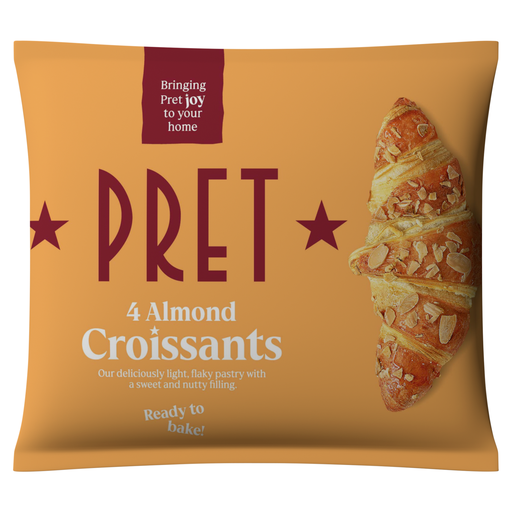 No image available
A frozen filled-pastry option for a bake-off canteen service seeking an almond croissant alongside a broader offer.
Requires frozen storage and baking before service. Contains wheat, gluten, milk, egg and almonds; it may contain other nuts, sesame and soya.
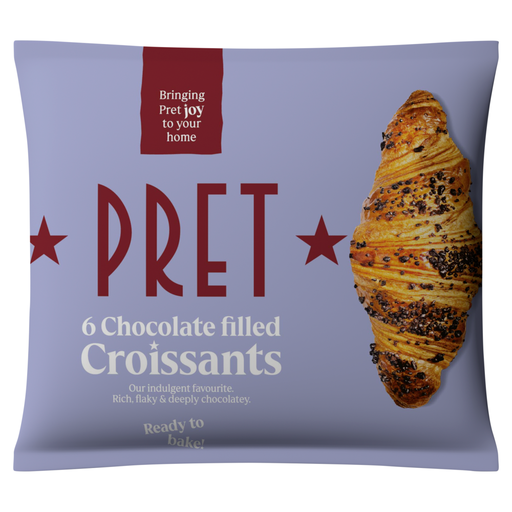 No image available
A six-croissant frozen pack for canteens that want a chocolate-filled pastry add-on and can manage controlled batch baking.
Stated oven preparation is 22 minutes from frozen at 190°C, with storage at -18°C or cooler. Contains wheat, gluten, milk, egg and soya, and is unsuitable for nut and sesame allergy sufferers.
Yes. The Food Standards Agency states that retail and catering food business operators must provide allergen information for both prepacked and non-prepacked food and drink. Check each current product label and keep a clear process for communicating allergen information before service.
Food prepacked for direct sale is subject to the Food Standards Agency’s PPDS allergen-labelling rules. Ensure the packaging carries the required allergen information when croissants are packed before selection or ordering at the place of sale.
Yes, where the site can maintain the stated frozen storage conditions and follow the manufacturer’s cooking instructions. M&S states that its ready-to-bake croissants are raw, must be kept frozen at -18°C, must be baked and should not be refrozen after thawing; Joybuy-listed Pret butter croissants are also marked as needing cooking and storage at -18°C or cooler.
For England, Wales and Northern Ireland, GOV.UK states that a food business must register with its local authority, normally at least 28 days before trading. Confirm the position with the relevant local authority if the workplace operation is newly established or changes operator.