Canteen managers planning a soft-drink lunch menu
Soda water and tonic water can be listed as drinks served on their own, without a spirit. Check whether the proposed menu and its presentation fit the employer’s alcohol policy.


For a straightforward workplace lunch offer, serve soda water or tonic water on its own rather than adding a spirit. Soda water provides a plain sparkling option; tonic adds bitterness, but light and diet versions differ in their sugar and sweetener content. If you want a ready-to-drink alcohol-free alternative, check the pack’s ABV and the employer’s alcohol policy before adding it to the canteen menu.
Soda water and tonic water can be listed as drinks served on their own, without a spirit. Check whether the proposed menu and its presentation fit the employer’s alcohol policy.
Tonic offers bitterness, while botanical tonics and labelled non-alcoholic ready-to-drink products offer different flavour profiles. The latter also calls for a pack ABV and workplace-policy check.
Plain soda water, low-calorie tonic and light tonic have different formulations. Compare the nutrition panel and ingredients of the exact product being served rather than treating those names as equivalent.
Choose the type of lunch drink first, then compare its label, ingredients and serving format.
Choose it when: The canteen wants a plain sparkling soft drink that needs no spirit.
Trade-off: It does not provide tonic’s bitter flavour; any cordial or other addition needs assessing separately.
Choose it when: People want tonic bitterness in a drink served without alcohol.
Trade-off: Check the sweeteners and sugar on the exact label; it is not the same drink as unsweetened soda water.
Choose it when: A botanical or citrus tonic flavour matters more than a plain sparkling base.
Trade-off: “Light” does not establish that a product has no sugar or calories; compare its own nutrition panel.
Choose it when: The canteen wants a complete adult-style drink rather than a mixer served on its own.
Trade-off: Confirm the pack ABV and whether its name and presentation fit workplace policy.
| Priority | What to check | Your needs |
|---|---|---|
| Alcohol and policy | Check what the complete serve contains, not just the mixer. For an alcohol-adjacent ready-to-drink product, check the pack ABV and employer policy. | I want a lunch drink that does not require adding a spirit and can be described clearly on the canteen menu. |
| Flavour | Decide whether a plain sparkling drink, bitter tonic or botanical ready-to-drink flavour suits the menu. Assess additions to soda water separately. | A plain fizzy drink may be enough, or I may prefer tonic bitterness without an alcoholic serve. |
| Nutrition | Compare energy and sugars per 100 ml on the exact product. Coca-Cola Great Britain lists Schweppes Soda Water at 0 kcal and 0 g sugars; Tesco lists its low-calorie lemon tonic at 2 kcal and under 0.1 g sugars per 100 ml. | I want to distinguish a plain soda water from a tonic that still contains sugar or uses sweeteners. |
| Ingredients | Read the sweetener and ingredient list. Tesco lists acesulfame K and sucralose in its low-calorie lemon tonic; Britvic lists aspartame, saccharin and a phenylalanine-source statement for its low-calorie Indian tonic. | Ingredient information needs to be clear so I can choose a drink that fits my preferences or requirements. |
| Serving format | Compare single-serve cans with larger bottles against expected lunch demand. Follow the chosen product’s instructions after opening. | Individual servings may be simpler for an occasional choice; a larger bottle needs an opening and stock-rotation plan. |
Tonic water served alone and tonic water served with a spirit are different lunch offers.
Specify the complete serve on the menu, such as tonic water on its own, and do not make a spirit part of the standard workplace-lunch drink.
Formulations differ. Fentimans lists 18 kcal and 3.4 g sugars per 100 ml for Naturally Light Tonic Water, while Tesco lists sweeteners in its low-calorie lemon tonic.
Compare the nutrition panel and ingredients of the exact product. If the requirement is a plain drink with no sugar listed, check an unsweetened soda water rather than relying on “light”.
A drink presented as an alternative to a gin and tonic can raise different workplace-policy questions from soda water or tonic served alone.
Read the current pack ABV and assess the product and its menu description against the employer’s policy before ordering.
A bottle that is not used during lunch service still needs to be handled according to its storage instructions.
Match bottle size to expected demand, mark when bottles are opened and follow the product label for storage and use after opening.
Drink left in an opened bottle may need to be discarded if it cannot be used within the label’s instructions.
These examples illustrate different mixer formulations and formats; a brand’s wider range should not be treated as having the same ingredients or nutrition values.
Its range includes light tonic and a product described by Fever-Tree as a non-alcoholic Mediterranean G&T.
Schweppes offers soda water as a plain sparkling route alongside tonic options.
Naturally Light Tonic Water is a flavoured tonic option.
Britvic lists a low-calorie Indian tonic among its mixer options.
Tesco lists a 1 L low-calorie lemon Indian tonic.
Sainsbury's lists a 1 L diet Indian tonic water.
These are tonic waters and ginger ale for a canteen lunch drink served without a spirit. They do not represent the soda-water or ready-to-drink alternatives discussed above.
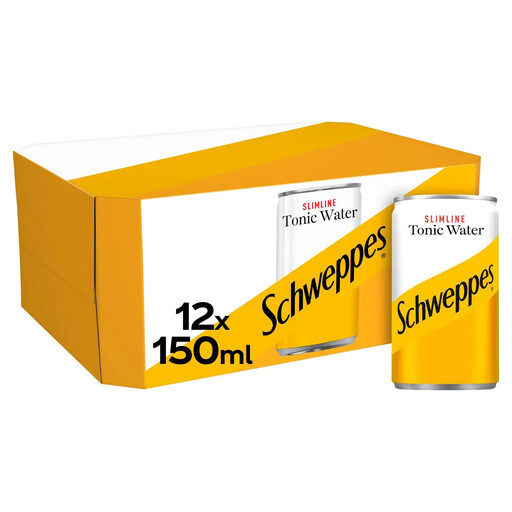 Image unavailable
A tonic option in individual servings for a lunch drink without a spirit. Check the ingredient label for aspartame and phenylalanine-source information, and confirm the pack ABV if workplace policy requires a documented value.
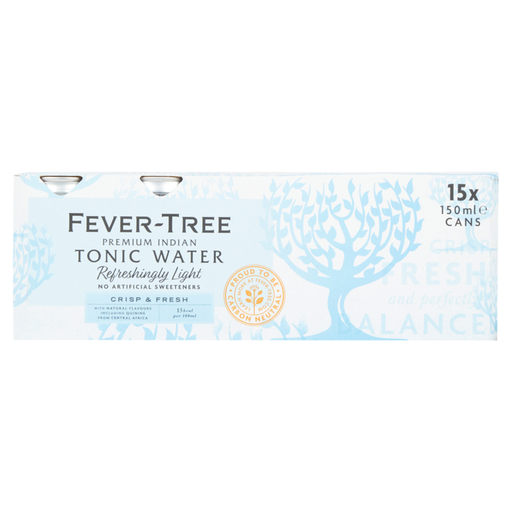 Image unavailable
A light Indian tonic for serving on its own when tonic bitterness is wanted. “Light” does not mean sugar-free: compare the current pack’s nutrition information, and check its ABV if the employer requires a documented value.
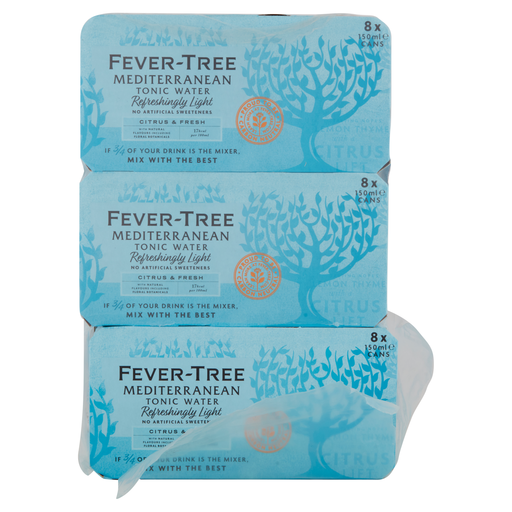 Image unavailable
A Mediterranean tonic in individual servings for a drink without added spirits. It is not a sugar-free choice; read the current nutrition label and confirm the pack ABV where workplace policy calls for it.
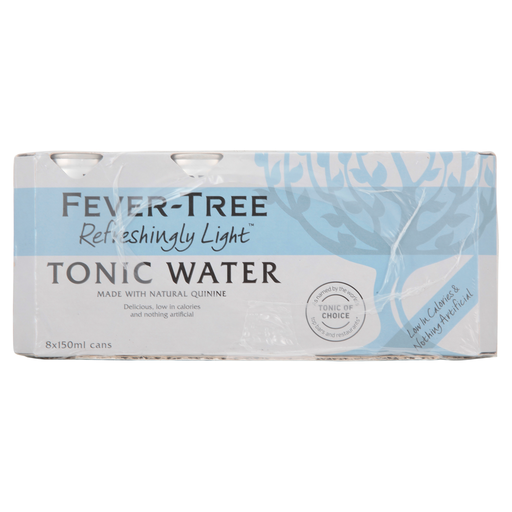 Image unavailable
A light tonic for a standalone lunch drink with tonic bitterness. It is not a sugar-free choice; compare the pack’s nutrition panel and check its ABV if the workplace requires a documented value.
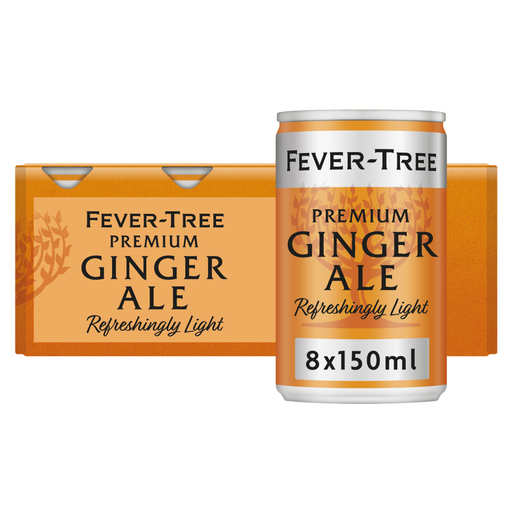 Image unavailable
A ginger ale option to serve without a spirit when tonic bitterness is not wanted. “Light” does not make it sugar-free; check the nutrition label and, if required by workplace policy, the pack ABV.
No: the finished drink matters. Serve soda water or tonic water on its own for a soft-drink option; adding a spirit makes the finished serve alcoholic. For a labelled non-alcoholic ready-to-drink product, check the pack ABV and employer policy.
The Department of Health and Social Care’s UK low-alcohol descriptor guidance, published in December 2018, covers drinks of 1.2% ABV or less. That descriptor is not permission to serve a product under an employer’s alcohol policy: check the product’s pack ABV and the policy separately.
That depends on the employer’s policy and the proposed serve. Soda water or tonic served without a spirit makes a straightforward soft-drink offer; assess a low-alcohol or alcohol-adjacent ready-to-drink product separately. The Health and Safety Executive says employers should manage alcohol-related workplace risks.
No. Soda water is a plain sparkling option, while tonic has a bitter flavour and low-calorie versions may contain sweeteners. Choose according to the flavour wanted, then compare the exact products’ nutrition panels and ingredients.
Follow the storage and use-after-opening instructions on the bottle being served. Match bottle size to expected lunch demand, mark the opening date and rotate stock rather than assuming every tonic has the same open-life.