High-wear workshop teams
Teams displaying instructions near benches, machinery or materials, where repeated handling, dust, splashes, gloves or frequent cleaning affect the device choice.


For a dusty, frequently handled or glove-operated station, consider a rugged managed tablet: Samsung specifies protection and glove-responsive touch for the Galaxy Tab Active5 Pro. In a cleaner indoor position, a standard iPad or Android tablet may suit shared instructions if its enclosure, mount, power arrangement and access controls fit the installation. If staff use the screen daily for continuous periods of an hour or more, assess the workstation under the UK Health and Safety Executive’s display screen equipment guidance.
Teams displaying instructions near benches, machinery or materials, where repeated handling, dust, splashes, gloves or frequent cleaning affect the device choice.
Workplaces that need staff to reach approved instructions without leaving a shared tablet open to unrelated apps or settings changes.
Teams placing instructions on a wall- or bench-mounted screen in a comparatively clean area, where viewing position and a secure mount are central to the setup.
Choose the device type around the station’s exposure and handling first; then check whether people can read the instructions where the screen will sit and whether the organisation can control what it displays.
Consider when: Dust, splashes, gloves or frequent handling are credible parts of daily use. Samsung specifies IP68 protection, MIL-STD-810H compliance, glove-responsive touch and No Battery Mode for the Galaxy Tab Active5 Pro.
Accept that: The tablet’s stated protection does not establish that a particular mount, power supply or cleaning method is suitable.
Consider when: The station is cleaner and indoors, and an organisation-managed instruction app is the priority. Apple describes Single App Mode for supervised iPads.
Accept that: The standard iPad specifications cited here do not establish workshop-grade protection; assess the enclosure and mount separately.
Consider when: A lower-intensity indoor station can use separately chosen protection and an access-control setup suited to the exact device.
Accept that: Check the chosen variant’s case, mount, charging method and kiosk controls rather than assuming they match a rugged business model.
| Concern | Buying checks | Who this matters to |
|---|---|---|
| Legibility and placement | Try the instruction layout at the intended viewing distance; check reflections and mount position. | If I need to read diagrams without repeatedly picking up the tablet, screen position matters as much as the display itself. Around 31% of consumers put legibility and placement first. |
| Durability and power | Check the exact model’s protection claims against likely exposure, and confirm the planned cleaning and powered-dock setup. | Gloves, cleaning or long periods on a fixed station make me focus on how the complete setup handles daily use. Roughly 25% of consumers make durability and power their primary concern. |
| Shared-device control | Confirm supported single-app or multi-app management and who can update or recover the device. | I need each shift to find the approved instructions rather than personal apps or changed settings. For around 25% of consumers, controlling shared access comes first. |
| Protected indoor setup | Check that the selected tablet, enclosure, lockable mount and power arrangement work together. | At a cleaner indoor station, I want a workable protected display without choosing hardware for exposure the station does not face. Around 19% of consumers prioritise that indoor setup. |
A large display can still be difficult to use at the planned viewing distance or under workshop lighting. The Health and Safety Executive’s guidance makes the workstation and pattern of use relevant to display screen equipment assessment.
Try the actual instruction layout at the mounting point, checking glare, height, reach and how long staff use it.
The installation may also need a lockable mount, enclosure and protected cable route.
Samsung’s stated protection, glove-touch and direct-power features apply to the Galaxy Tab Active5 Pro; they do not establish the capabilities of another tablet or its accessories.
Match the exact device, case, mount and cleaning procedure to the station’s likely exposure.
Staff may otherwise reach unrelated apps or change settings instead of seeing the intended instructions. Apple documents Single App Mode through Supervision, while Samsung describes kiosk modes in Knox Manage.
Set up organisation-owned management, define who administers updates and test how the device is recovered after a reset.
Allow administrator time to maintain access and keep instruction content current.
Its Galaxy Tab Active5 Pro is a rugged business-tablet option for exposed stations; Knox Manage is a separate route to managing shared-device access.
The iPad (A16) provides a defined display specification for a cleaner indoor station, while Apple’s deployment guidance covers management of supervised iPads.
Lenovo identifies the Tab K11 (Enhanced Edition) as a standard Android tablet family to investigate for a lower-intensity indoor station.
These tablets are choices to assess for a cleaner or separately protected instruction station. Check the complete installation before choosing one for workshop exposure or shared-device use.
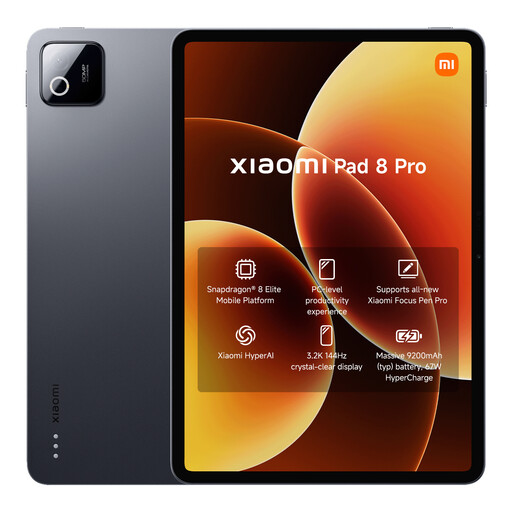 No image available
Consider this variant for a protected indoor instruction point after checking its mounting and shared-device controls.
The listing warns against moisture and dust exposure; assess those conditions at the intended station.
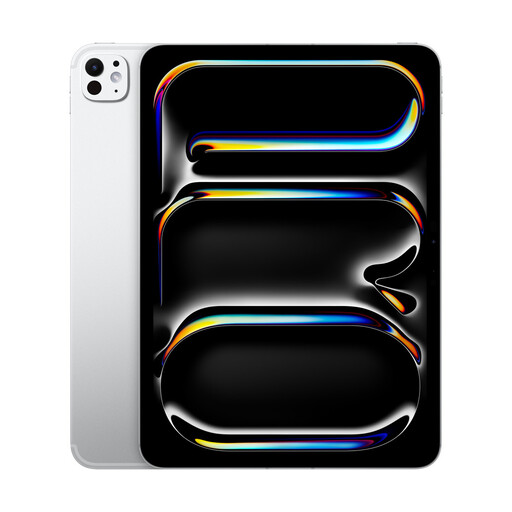 No image available
Consider this iPad Pro for a cleaner indoor station where the organisation can manage access to the instruction app. Apple describes Single App Mode for supervised iPads.
This is the Nano Glass variant; check the display in the intended lighting rather than assuming it removes every reflection. Verify enclosure, mount and powered-use suitability for the installation.
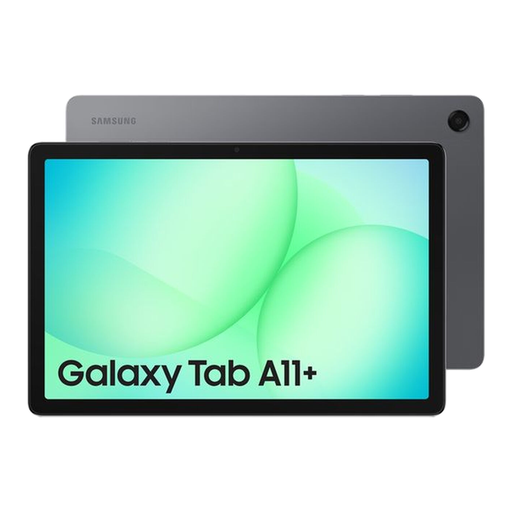 No image available
Assess this standard Android tablet for a lower-risk indoor instruction point, not as a substitute for the Galaxy Tab Active5 Pro’s model-specific rugged features.
Check the exact setup for kiosk management, cleaning, secure mounting and continuous power. The listing cautions against submerging this model.
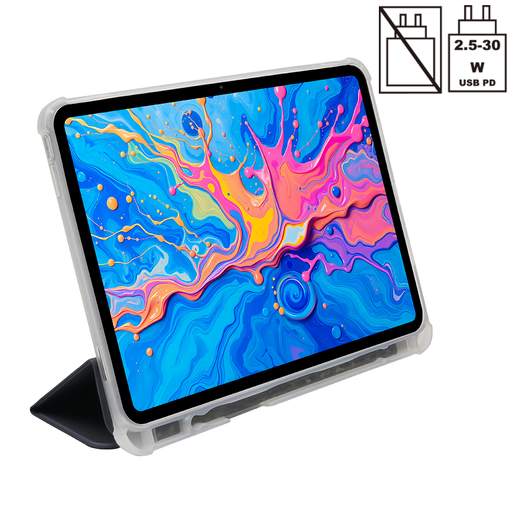 No image available
Consider its 12.7-inch display for instructions at a lower-risk indoor station, checking readability at the intended mounting point.
The named configuration includes a Helio G99, 8GB RAM plus 12GB virtual RAM, a 10000mAh battery and T-Pen compatibility. The included case does not establish workshop-grade protection; confirm mount fit, cleaning and shared-device controls.
A standard tablet can be considered for a cleaner, lower-risk indoor station if its enclosure, mount, charging arrangement and access controls suit the task. For substantial dust, splash, glove-use or repeated-handling demands, assess a purpose-built rugged model against those conditions instead.
Use a supported managed setup that limits access to approved instruction apps and controls who can change settings or deploy updates. Apple documents Single App Mode through Supervision; Samsung Knox Manage describes single- and multi-app kiosk modes for its managed deployments.
Check the exact tablet’s operating guidance and the power, dock and cable arrangement before installing it as an all-day station. Samsung describes No Battery Mode for the Galaxy Tab Active5 Pro, but that model-specific feature should not be assumed for other tablets.
They can, depending on how staff use it. The UK Health and Safety Executive says the display screen equipment regulations apply to workers who use such equipment daily for continuous periods of an hour or more; assess the actual work pattern and workstation rather than treating the tablet purchase as the whole solution.