
24/7 Customer Support

Free returns

Same-day & Next-day Delivery

Quality Guaranteed

Unlock Your Welcome Offers: FREE Delivery | Up to 80% OFF | Free 30-day JoyPlus trial
Download the APP
A well-chosen sauce can transform a simple meal into a culinary journey. Yet, the supermarket aisle and online stores are crowded with bottles all promising "authentic flavour." For UK home cooks wanting to explore world cooking sauces, this can lead to a pantry full of half-used bottles and disappointing meals. As a Product Recommendation Officer, my role is to help you navigate this landscape and find the right condiments for your kitchen.
Before you add another bottle to your basket, let's look at the common pitfalls that lead to wasted money and cluttered cupboards.
To avoid these traps, focus on a few core parameters. This isn't about becoming a food scientist; it's about learning to spot genuine quality.
The back of the bottle is more important than the front. For foundational sauces like soy sauce, look for the words "naturally brewed" or "traditionally brewed." This process, which can take months, uses simple ingredients like soybeans, wheat, salt and water to develop a deep, complex umami flavour. Chemically produced soy sauces are made in a few days using harsh acids and often have a flatter, harsher taste. The same principle applies to other global condiments—the shorter and more recognisable the ingredient list, the better.
Consider your household. If you live alone, with a partner, or are a student, small cooking sauces in 150ml bottles are your friend. They allow you to explore a wide variety of dipping sauces, marinades and seasonings without the commitment or waste of a large bottle. This size is perfect for trying a new cuisine, saving pantry space and ensuring you always use the sauce at its freshest.
Always check the nutritional information and allergen list. For soy sauce varieties, wheat is a common ingredient, so if you need a gluten-free option, look for sauces made with rice or specifically labelled as gluten-free sauces. Many brands now offer reduced-salt versions, which are clearly marked. For oyster sauces, check for "molluscs" and for chilli oils, look for potential cross-contamination with nuts or sesame if you have allergies.
Here are a few recommendations matched to different types of home cooks, based on the principles of quality, practicality and transparency.
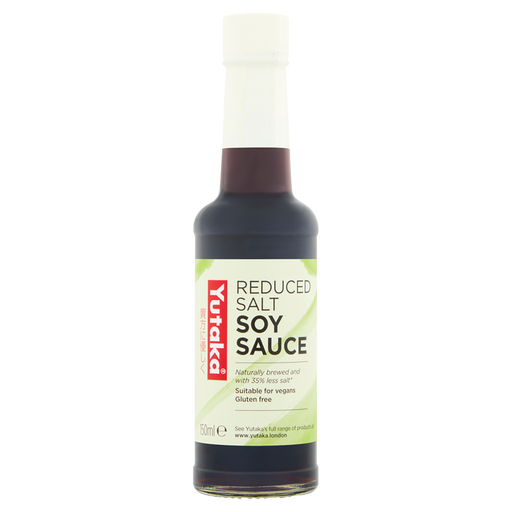
Why This Fits Their Persona: This sauce is ideal for UK cooks managing dietary needs without wanting to compromise on the authentic umami flavour required for Japanese and other Asian dishes. It directly addresses the need for both a lower-sodium and coeliac-safe option.
It sidesteps the hidden dietary hurdles trap with clear, upfront labelling as "Certified Gluten-Free" and "Reduced Salt." The 150ml bottle also prevents waste.
Contains 38% less salt than standard soy sauce and is brewed using rice instead of wheat, making it a reliable choice for specific dietary plans.
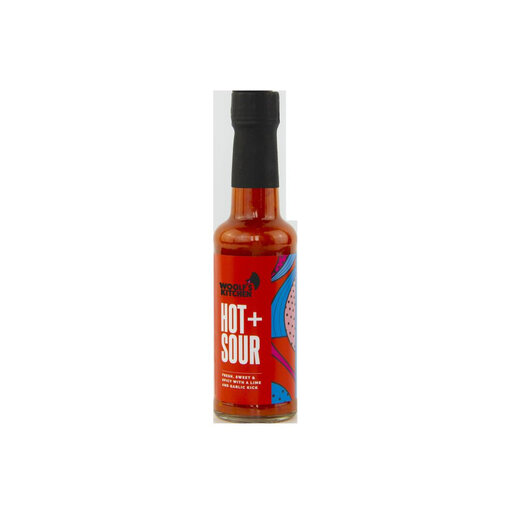
Why This Fits Their Persona: For the home cook who gets excited by unique flavour combinations, this sauce offers a vibrant blend of chilli heat and lime tang. It's a versatile condiment that can liven up anything from noodles to grilled chicken, perfect for experimentation.
The 150ml bottle is the perfect solution to the "giant bottle dilemma," allowing for trial without waste. Its simple, recognisable ingredient list (49% chilli peppers) avoids the "authentic flavour" trap by delivering genuine taste.
A fantastic balance of heat and acidity from high-quality, straightforward ingredients. It is also free from all major allergens.
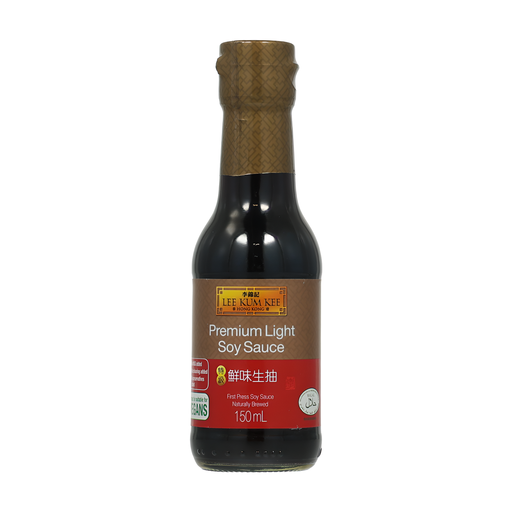
Why This Fits Their Persona: This is for the cook who wants to replicate the genuine taste of Chinese dishes. As a traditionally brewed light soy sauce from a heritage brand, it provides the essential savoury (xian) flavour that is the foundation of countless stir-fries, marinades and dipping sauces.
It counters the "fake authentic" trap by being a product of a globally recognised brand with a long history of traditional brewing. The practical 150ml size is ideal for ensuring freshness in a home kitchen.
Delivers a balanced, savoury flavour and clear colour from a proper brewing process. It's a versatile workhorse for any kitchen exploring Asian cuisine.
We have compiled a complete, real-time list of products that fully satisfy these strict selection criteria and UK safety regulations.
Light soy sauce (or 'regular' soy sauce) is thinner, lighter in colour and saltier. It's used for seasoning and bringing out the 'umami' or savoury flavour in dishes like stir-fries, marinades and dips. Dark soy sauce is aged longer, often with molasses or caramel, making it thicker, darker and less salty but with a richer, slightly sweet flavour. It's used primarily for adding deep colour to dishes like braised meats and stews.
This varies, but it's a key reason to favour smaller bottles. Most soy sauces, once opened, should be refrigerated and used within a few months for the best flavour. Creamier sauces or those with fresh ingredients may only last a few weeks. Always check the label for specific storage instructions, but a good rule of thumb is that if the colour, smell or texture changes, it's time to discard it.
Often, yes. Many dipping sauces like sweet chilli, yuzu dressing or even some hot sauce UK varieties can work well as quick marinades. They already contain a balance of salt, acid and sugar needed to flavour and tenderise meat or vegetables. For a thicker marinade that clings better, you can mix the dipping sauce with a little oil or yoghurt.