
24/7 Customer Support

Free returns

Same-day & Next-day Delivery

Quality Guaranteed

Unlock Your Welcome Offers: FREE Delivery | Up to 80% OFF | Free 30-day JoyPlus trial
Download the APP
Buying world food online can make weekly shopping more varied, convenient and cost-effective. Instead of visiting several specialist shops, UK households can order Asian food online, frozen seafood, frozen meat, vegetarian food, vegan products and protein snacks in one basket.
However, attractive packaging and broad product claims do not always tell you what you need to know. The useful questions are more practical: How much edible food will you receive? Does it fit your storage space? Is it suitable for your diet? Can it be cooked safely without creating extra work?
Frozen seafood may include shells, heads or cooking liquid. A 1kg pack may therefore provide less edible meat than its headline weight suggests. Prawns, lobster and clams are particularly important to compare by net quantity, preparation style and whether the product is whole, shell-on or ready to use.
The same principle applies to ready meals and protein products. Check whether the stated nutrition applies per 100g, per serving or per entire tub. A product described as high-protein may still contain several portions.
Protein content is useful, but it does not describe the whole product. Compare protein per serving, calories, salt, sugar, allergens and preparation requirements. For example, protein pasta may be convenient and vegan, yet still contain substantial carbohydrate and salt. A protein shake can save time, but it should complement rather than replace a varied diet.
Frozen products require freezer space and should normally be kept at -18°C or below. If frozen food arrives partially thawed, follow the packaging instructions and avoid refreezing where prohibited. Chilled items have different requirements, while canned tuna, breakfast cereal and dried ingredients can usually be stored in a cool, dry cupboard before opening.
For online grocery delivery UK shoppers should also check delivery timing, minimum order conditions, pack sizes and whether several frozen items can be stored immediately on arrival.
Use these details to assess value rather than relying only on the listed price:
For instance, Wild White Meretrix Clams are supplied in a 1kg pack and are already cooked before freezing. They contain molluscs and should be defrosted in the refrigerator, then reheated gently for around one to two minutes. This format suits pasta, paella, chowder, soup and Asian-inspired dishes, but not shoppers looking for a completely shell-free ingredient.
UK food labelling highlights major allergens in the ingredients list. Common examples across international groceries include:
“Vegetarian” does not automatically mean vegan, and a product made without meat may still contain soya, wheat or traces of other allergens. Always compare the online listing with the physical packaging, particularly if ingredients or recipes may change.
Frozen ready meals and pre-prepared foods can reduce preparation time, but cooking instructions still matter. Chicken goujons, for example, generally need to be cooked from frozen until steaming hot throughout. Already cooked seafood should be reheated briefly to avoid a tough texture.
For high-protein food, decide whether you need a cupboard staple, chilled drink, frozen dessert or fast meal. Protein shakes, cereal bars and instant pasta work for different occasions, while canned tuna and dried chirimen fish can add flavour to rice, noodles, soups and salads.

Why This Fits Their Persona: A familiar cupboard breakfast for households wanting a straightforward way to compare portions and protein content without buying specialist supplements.
The listing provides nutrition per 100g and identifies wheat as an allergen, making comparison more transparent than relying on front-of-pack wording alone.
24-pack format; 19g protein per 100g; suitable for vegetarians and vegans.

Why This Fits Their Persona: A whole cooked lobster gives hosts and adventurous home cooks an occasion-focused seafood option that can be served hot or cold.
The product is clearly listed as cooked and frozen, with defrosting guidance and a reminder to use it within 24 hours after thawing.
400g whole lobster; 20g protein per 100g; ready to serve once defrosted.
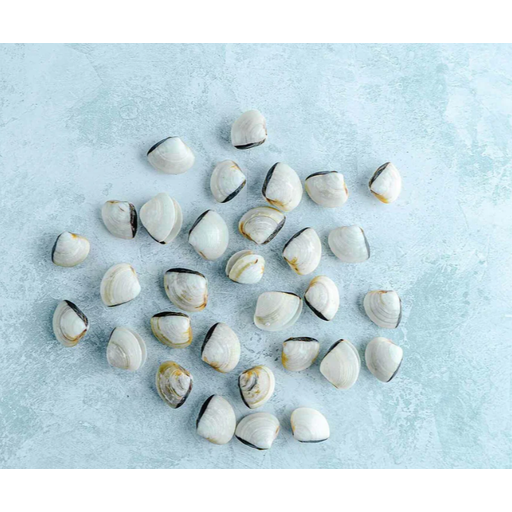
Why This Fits Their Persona: The larger pack works for regular seafood cooks preparing pasta, paella, soups, chowders or Asian recipes for several diners.
The listing states that the clams are pre-cooked, identifies the mollusc allergen and explains that brief reheating helps protect texture.
1kg pack; pre-cooked format; 10.1g protein per 100g.
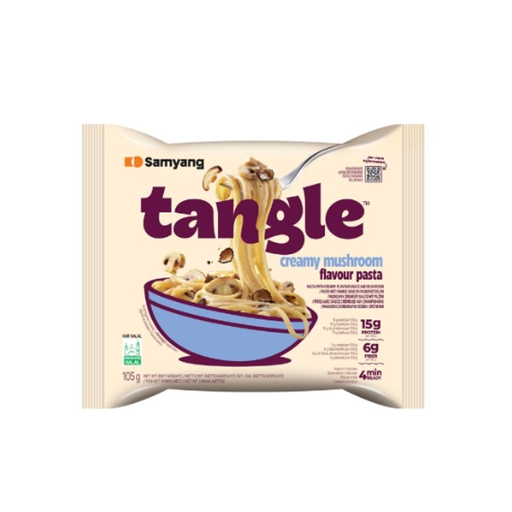
Why This Fits Their Persona: A shelf-stable instant protein pasta for vegan shoppers, students and busy workers who need a fast meal without relying on meat or dairy.
The listing specifies the vegan format, wheat allergen and nutrition per 100g, helping shoppers assess dietary suitability and salt content.
Vegan recipe; pea protein in the pasta; cupboard-friendly storage.
We have compiled a complete, real-time list of products that fully satisfy these strict selection criteria and UK safety regulations.
For a broader basket, consider combining different formats:
Read the full ingredient list rather than judging a product by its cuisine or front label. Compare price per 100g where possible, and consider whether a larger pack will genuinely be used before its storage or best-before limit.
Yes, provided the seller explains its frozen delivery process and you can move products into a freezer promptly. Keep frozen items at -18°C or below, follow the individual label and do not refreeze products where the instructions prohibit it.
Compare the total basket cost rather than the item price alone. Check delivery charges, minimum spend, pack size, multi-buy offers and whether cupboard, chilled and frozen products can be combined efficiently. Buying long-life staples such as canned tuna, cereal or instant pasta alongside frozen products may make an order more practical.
Look at protein per serving, total calories, salt, sugar, allergens and portion count. A protein shake, bar, cereal, ice cream or instant protein pasta may suit different routines. Choose the format that fits your meals and storage habits, and keep it as part of a balanced diet rather than treating protein content as the only measure of value.