
24/7 Customer Support

Free returns

Same-day & Next-day Delivery

Quality Guaranteed

Unlock Your Welcome Offers: FREE Delivery | Up to 80% OFF | Free 30-day JoyPlus trial
Download the APP
Exploring global cuisines from your own kitchen is one of the great joys of modern cooking. However, the journey from discovering a recipe online to recreating it successfully can be fraught with pitfalls. The supermarket aisles and online stores are filled with jars and bottles promising authentic flavour, but not all deliver. Many UK home cooks find themselves disappointed by products that don't quite capture the taste they were hoping for, wasting both time and money.
As a Joybuy Product Recommendation Officer, my role is to help you navigate this crowded market. We'll look past the clever marketing and focus on what truly matters. Here are a few common traps to be aware of when buying world food pantry staples.
To avoid these pitfalls, it pays to become a more discerning shopper. Focusing on a few key details on the product label can make all the difference between a culinary success and a bland disappointment.
The heart of any authentic product is its ingredient list. This is where you can verify if a product truly represents its culinary origins. For Japanese mayonnaise, a key indicator is the use of egg yolks only, rather than whole eggs, which creates a richer, more custard-like texture. The type of vinegar is also crucial; many authentic Japanese brands use rice vinegar for a milder, more nuanced tang. Similarly, when looking for cooking pastes and sauces like a Szechuan stir-fry paste, the presence of Szechuan peppercorns is non-negotiable for achieving that signature numbing heat (málà).
A quality product lets its core ingredients do the talking. Be wary of long lists of unpronounceable additives, thickeners or flavour enhancers, which can signal a lower-quality formulation. For those seeking vegan condiments or managing allergies, clear and comprehensive allergen labelling is essential. Brands that are transparent about being produced in nut-free or gluten-free facilities provide an extra layer of confidence. This is especially important for speciality spreads and condiments that may be replacing traditional pantry items.
Texture is just as important as taste. A good tahini paste, for instance, should be smooth, creamy and pourable after a good stir, not a solid, gritty block at the bottom of the jar. This is often achieved by using hulled sesame seeds and a double-grinding process. The difference in texture between a rich, thick Japanese mayo and a lighter, looser salad cream will dramatically alter the final dish. Understanding the intended texture helps you choose the right product for the job, whether it's for dipping, spreading or dressing.
Based on these principles, we've matched a few standout products to different types of home cooks. These selections are chosen for their ingredient quality, formulation and suitability for specific culinary goals.

Why This Fits Their Persona: This user wants to create authentic Japanese dishes like okonomiyaki, takoyaki or katsu sandos at home. They need the specific umami-rich, tangy and creamy flavour that standard mayonnaise cannot provide.
It directly counters the "one-size-fits-all" condiment myth. Its formulation, using only egg yolks and a specific vinegar blend, delivers a distinct flavour profile essential for Japanese cuisine.
The use of 14% pasteurised egg yolk results in an exceptionally rich texture and deep flavour. The soft, squeezable bottle allows for precise application, perfect for decorative drizzles.
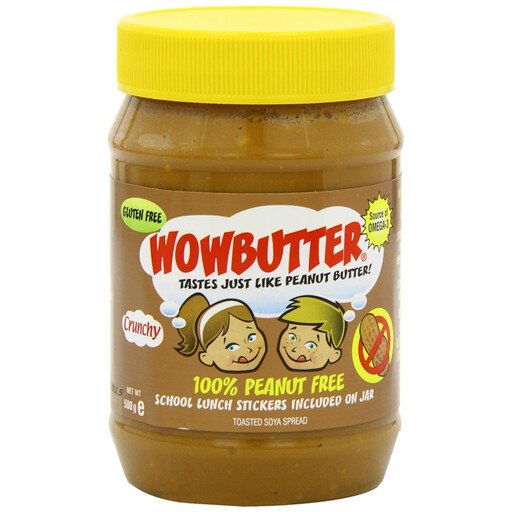
Why This Fits Their Persona: This user needs a safe and tasty alternative to peanut butter for their family, due to nut allergies. They prioritise products made in dedicated allergen-free facilities to prevent cross-contamination.
It avoids the hidden ingredient trap by being explicitly transparent. It is made in a 100% peanut-free, nut-free, gluten-free, dairy-free and egg-free facility, offering clear, reliable information.
This spread is made from toasted soya, providing a source of complete protein and Omega-3s. The crunchy texture closely mimics traditional peanut butter, making it a satisfying substitute.
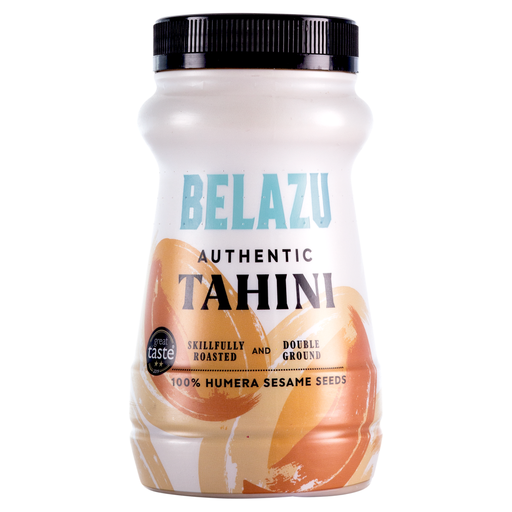
Why This Fits Their Persona: This cook is serious about making high-quality hummus, baba ghanoush or tahini dressing from scratch. They understand that the quality of the tahini is paramount and look for a product with a deep, nutty flavour and silky texture.
It avoids the "authentic style" fa?ade by using verifiable traditional methods. The sesame seeds are roasted by hand and double ground, a process that ensures a genuinely rich flavour and creamy finish, unlike mass-produced, blander versions.
The product contains only one ingredient: sesame seeds. This purity, combined with the traditional processing, results in a superior product for making dressings and dips. It is also suitable for vegans.
We have compiled a complete, real-time list of products that fully satisfy these strict selection criteria and UK safety regulations.
The primary differences lie in the ingredients and texture. Authentic Japanese mayonnaise is typically made with only egg yolks, giving it a richer, more custard-like consistency and a deeper yellow colour. Regular mayonnaise often uses whole eggs. Furthermore, Japanese mayo often uses rice vinegar or apple cider vinegar, which imparts a distinct, slightly sweeter and fruitier tang compared to the distilled vinegar common in Western-style mayonnaise. This combination creates the signature umami flavour that is a hallmark of many Japanese dishes.
Beyond marketing claims, the best indicator is the ingredient list. Look for key components specific to that cuisine's region. For example, a genuine Thai curry paste will list ingredients like galangal and lemongrass high on the list. Check the country of origin, as products made in their native country are more likely to follow a traditional recipe. Finally, look for simple formulations; authentic recipes often rely on a few high-quality ingredients rather than a long list of artificial fillers.
Yes, the market for high-quality vegan condiments has expanded significantly. For mayonnaise, vegan versions replace eggs with emulsifiers like soy protein, aquafaba (chickpea water) or modified starches to create a creamy texture. The Kewpie Green Plant-Based Mayonnaise, for example, uses powdered vegetable protein and thickeners to replicate the classic texture. When choosing a vegan alternative, check the ingredient list to ensure it meets your dietary preferences and avoids unwanted additives.