
24/7 Customer Support

Free returns

Same-day & Next-day Delivery

Quality Guaranteed

Unlock Your Welcome Offers: FREE Delivery | Up to 80% OFF | Free 30-day JoyPlus trial
Download the APP
Shopping for world food and plant-based grocery products can make everyday meals more varied, but crowded shelves and product claims can make comparison difficult. A carton labelled “plant-based” may still contain milk, while a “healthy snack” can contain considerable sugar, fat or salt. Imported pantry staples may also have different serving sizes and storage instructions from products you regularly buy.
This guide explains the practical checks that help UK shoppers choose coconut milk, oat drink, almond milk, porridge oats, healthy snacks, Asian cooking ingredients, Caribbean cooking ingredients and other everyday foods with fewer surprises.
“Plant-based” describes the main ingredient, not necessarily the complete recipe. Some drinks and snacks can contain milk, whey, yoghurt coating or other animal-derived ingredients.
For example, Vamino Soymilk Regular includes whole milk powder, despite being soy-based. Always check the ingredients list and allergen statement, especially when shopping for vegan food, vegetarian food or dairy-free alternatives.
A sugar-free product may use sweeteners, and “natural” ingredients can still contribute energy, saturated fat or sugars. Hartley’s Strawberry Jelly Sugar Free lists aspartame and acesulfame K, and contains a source of phenylalanine. It should therefore be assessed against the needs of the household rather than selected from the front-of-pack wording alone.
Likewise, oat bars and nut snacks can be convenient, but portion sizes matter. A 50g Deliciously Ella Hazelnut, Pecan & Maple Oat Bar contains 244 kcal, while its ingredient profile includes nuts, oats and several syrups.
A large can or carton may appear economical but can create waste if you only use a small amount. Once opened, coconut milk usually needs refrigeration and quick consumption. A 250ml carton may suit a single curry, whereas a 1-litre carton is more practical for family cooking or repeated use.
Check opening instructions, refrigeration requirements, best-before dates and pack quantity before comparing prices.
Look beyond the product title. Check for:
A product can be suitable for vegetarians but not vegans. KTC Coconut Milk 400g is marked suitable for vegetarians, while tahini made from 100% sesame seeds is generally a straightforward vegan pantry staple, subject to the packaging statement and cross-contamination information.
Use the nutrition panel to compare like with like. For drinks, look at values per 100ml; for snacks, check both per 100g and per bar or packet.
Useful points include:
Flahavan’s Organic Porridge Oats contain 100% organic whole grain oat flakes, with 8.3g fibre and 11g protein per 100g. This is different from an instant cereal blend containing added sugar, creamer or glucose sachets.
Match the product to your routine:

Why This Fits Their Persona: A large, single-ingredient pack suits shoppers building an affordable breakfast routine for one person or a family.
The ingredient list is 100% organic whole grain oat flakes, avoiding hidden sweeteners and creamer found in some instant cereal mixes.
1kg pack; 100% organic whole grain oat flakes; suitable for porridge, overnight oats and baking.
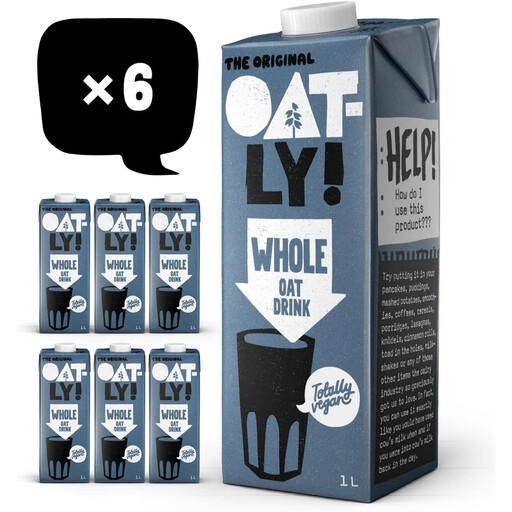
Why This Fits Their Persona: Suitable for households wanting a creamy oat drink for coffee, cereal, sauces and baking.
The pack clearly identifies oats, nutrition values and storage guidance, making it easier to compare with almond milk or other dairy-free alternatives.
6 x 1L format; fortified with calcium, vitamin D2, riboflavin, B12 and iodine; refrigerate after opening.
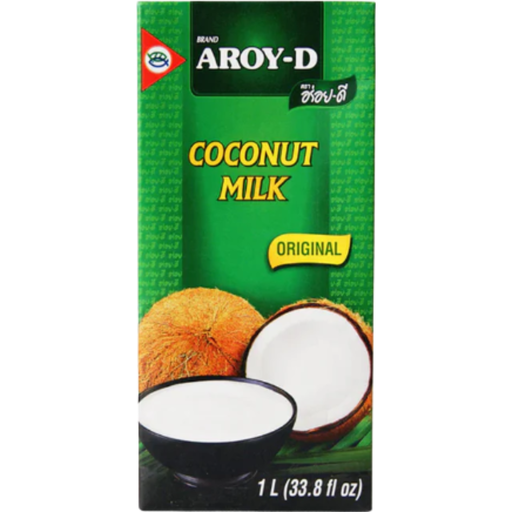
Why This Fits Their Persona: A 1-litre carton is practical for frequent curry, soup, dessert and smoothie preparation.
The carton format avoids opening several cans for larger recipes, while the label states that unused product should be refrigerated and consumed within 3 days.
1L cupboard-stable carton; coconut extract and water base; suitable for sweet and savoury recipes.
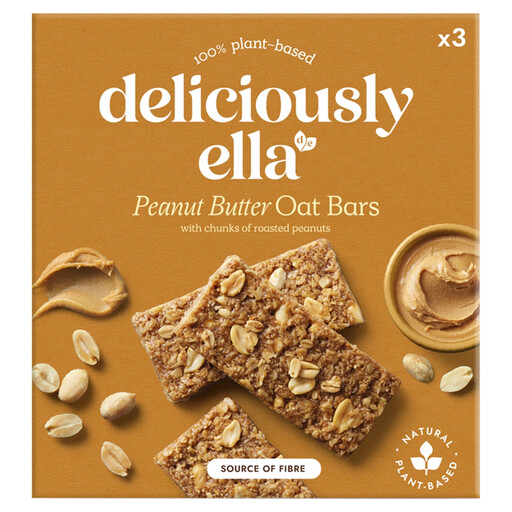
Why This Fits Their Persona: A three-pack suits work bags, lunchboxes and travel when a ready-to-eat snack is more convenient than preparation.
The pack states the 50g bar size and lists peanuts, oats and possible milk, nuts and soya traces, helping shoppers assess portion and allergen information.
Three individually sized 50g bars; baked gluten-free oats; ready to eat without preparation.
We have compiled a complete, real-time list of products that fully satisfy these strict selection criteria and UK safety regulations.
For international recipes, Meridian Natural Light Tahini contains 100% roasted hulled sesame seeds and works in hummus, sauces and dressings. AROY-D Coconut Milk 17% Fat 400 ML is portion-sized for Thai curries, laksa and desserts. For snacks, mixed nuts, seeds and berries can add texture to porridge or yoghurt, but always check nut and sesame warnings.
Sugar-free jelly can provide a small, convenient dessert option, while oat bars and seasoned nuts are easier to carry than prepared food. For Asian cooking ingredients and Caribbean cooking ingredients, compare country of origin, coconut percentage, spice composition, pack size and storage instructions rather than relying on cuisine imagery alone.
No. Ingredients and nutrition vary between oat drink, almond milk, soy drink and other alternatives. Check allergens, fortification, sugar content and whether the product is intended as a beverage or cooking ingredient. Plant-based drinks are not automatically suitable as complete substitutes for infant food.
Follow the specific packaging instruction. The products listed here advise refrigerating opened coconut milk and consuming it within 2 to 3 days. Transfer unused contents from a can to a suitable covered container and discard any product with an unusual smell, appearance or damaged packaging.
Compare the per-serving nutrition, not only the front label. Check sugar, saturates, salt, fibre and allergen information, then consider whether the stated portion matches how you normally eat. A nut snack, oat bar or seeds-and-berries mix can fit different routines, so pack size and storage are also important.