
24/7 Customer Support

Free returns

Same-day & Next-day Delivery

Quality Guaranteed

Unlock Your Welcome Offers: FREE Delivery | Up to 80% OFF | Free 30-day JoyPlus trial
Download the APP
Finding appealing world food products online can open up new cooking ideas, but attractive packaging and phrases such as “authentic”, “premium” or “traditional” do not tell you everything you need to know. UK shoppers also need to consider allergens, preparation, portion size, storage and value for money.
Whether you are looking for Asian food products, African spices, Filipino seasoning mixes, baking mixes or instant drinks, a few checks can prevent disappointing purchases.
Seasoning mixes and drink powders can look substantial in product photos, but the net quantity may be only 25g, 50g or 100g. Check how many servings the pack makes and what additional ingredients are required.
For example, a 25g fried rice seasoning mix is intended for approximately 500g of cooked rice, while a 50g Filipino tamarind soup mix needs meat, seafood or vegetables to create a complete dish. These products can be convenient, but they are not necessarily ready-to-eat meals.
International food and drink products may contain ingredients that are easy to miss when shopping by cuisine or flavour. Wheat, gluten, milk, soya, peanuts, sesame, sulphites and barley appear across many categories.
Always read the current packaging before purchase, particularly if you are buying for a multicultural household or serving guests. A product described as suitable for vegetarians may still contain allergens, and a seasoning mix may be intended for cooking rather than direct consumption.
Flavour depends on the recipe, cooking method and ingredients added at home. A tempura batter mix, for instance, can simplify preparation, but the result still depends on batter consistency, oil temperature and the ingredients being fried.
Treat marketing language as an indication of style rather than a guarantee of a particular taste. Ingredient lists, preparation instructions and country-of-origin information provide more useful buying evidence.
For UK shoppers, the most important first step is identifying highlighted allergens. NIPPN Tempura Batter Mix contains wheat and soya, while AF Suya Pepper Mix contains peanuts and may be produced where other allergens are handled. Mama Sita’s Sinigang seasoning contains soya, and Zheng Feng Ching Bong Leung lists barley and sulphites.
If you are managing an allergy or intolerance, check the product label at the point of purchase because recipes and manufacturing information can change.
A larger pack is not always better value if you only use a small amount at a time or if the product has a short once-opened lifespan. Look for:
For everyday breakfasts, Family Whole Red Bean Oatmeal Multigrain Cereals provides 20 sachets of 35g cereal mix, with hot water preparation. The pack also includes two sachets of pure glucose, which should be considered separately when assessing sugar content and intended use.
Raw powders must not automatically be treated as ready-to-eat products. Japanese tempura batter mixes require mixing with water and cooking, while seasoning blends such as tandoori masala and fry mix are designed to be used as part of a recipe.
Also check storage requirements. Most dry products should be kept in a cool, dry place and sealed after opening to reduce moisture absorption and clumping. Nutrition panels can reveal meaningful differences: some mixes contain notable amounts of sugar or salt, so compare the per-100g and per-serving figures rather than relying on front-of-pack descriptions.
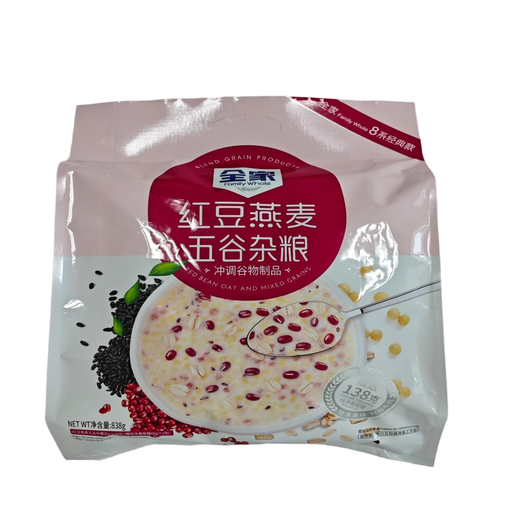
Why This Fits Their Persona: Suitable for shoppers wanting portioned instant breakfasts or snacks with minimal preparation on busy UK mornings.
The pack states its sachet sizes, preparation ratio and separate glucose sachets, making the contents easier to assess before buying.
20 individual cereal sachets; combines oats, red beans and several grains. Contains wheat, oats, soya, rye, barley and sesame.
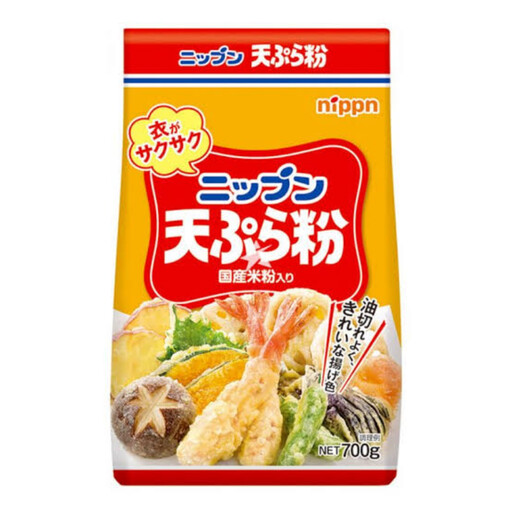
Why This Fits Their Persona: A practical choice for home cooks who want to prepare Japanese-style tempura with a measured dry mix rather than blending several flours.
The ingredients and cooking warning make clear that this is a raw frying powder, not a ready-to-eat coating.
Contains wheat flour, wheat starch and rice flour; suitable for seafood, vegetables and other ingredients when fully cooked.

Why This Fits Their Persona: Designed for party tables, sweet jars, office treats and households that need a larger quantity for sharing.
The 1kg net quantity and mixed selection are clearly stated, while the label also flags wheat and possible traces of milk, soya and mustard.
Large sharing bag; includes several fizzy and sour varieties. Contains gelatine and specified colours, including E104 and E129.
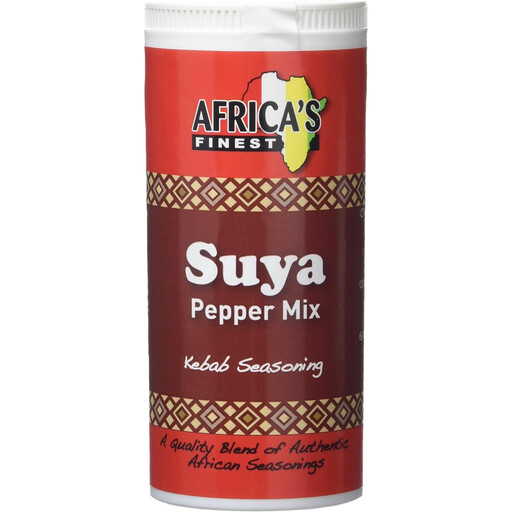
Why This Fits Their Persona: Suited to cooks exploring African spices and wanting a straightforward blend for grilled meat, roasted vegetables or marinades.
The listed ingredients identify ground peanuts, cayenne, paprika, onion and garlic, rather than leaving the flavour profile vague.
A dry 100g seasoning blend; suitable for vegetarian recipes according to the supplied product information. Contains peanuts.
We have compiled a complete, real-time list of products that fully satisfy these strict selection criteria and UK safety regulations.
Check the full ingredient list, highlighted allergens, net quantity, country of origin, preparation method and storage instructions. Also confirm whether the product is ready to eat or must be cooked. Product images can help you recognise the pack, but the written label is more useful for dietary and practical decisions.
They can be, particularly when one sachet seasons several portions or replaces multiple pantry spices. However, compare the price per 100g and account for ingredients you must add, such as rice, meat, vegetables, oil or milk. Salt and sugar levels may also vary considerably between products, so check the nutrition panel.
Shelf life depends on the product and its packaging. Use the printed best-before information as a guide, then follow the storage instructions after opening. Keep powders sealed in a cool, dry place, and refrigerate products where the label requires it. For prepared foods and opened preserved fruit mixes, follow the stated consumption period rather than relying on appearance alone.