
24/7 Customer Support

Free returns

Same-day & Next-day Delivery

Quality Guaranteed

Unlock Your Welcome Offers: FREE Delivery | Up to 80% OFF | Free 30-day JoyPlus trial
Download the APP
World food sauces can transform a simple bowl of rice, noodles, grilled chicken or chips, but choosing the right bottle is not always straightforward. Descriptions such as “authentic”, “extra hot” and “restaurant-style” may not tell you how a sauce will work in your kitchen.
The main risks are buying a sauce that is too salty for everyday use, choosing heat over flavour, or overlooking storage and allergen information. This guide explains what to check before buying Asian sauces, hot pepper sauce, chilli sauce and other authentic international condiments.
An “extra hot” label describes intensity, not necessarily complexity. A sauce may deliver strong chilli heat but offer little acidity, sweetness, umami or aroma. Conversely, a milder Thai sauce or Mexican-style hot sauce may be more useful for everyday meals because it can be added gradually.
Check the pepper type and intended use. Scotch bonnet and habanero sauces can be intense, while vinegar-based pepper sauces are often used drop by drop. Korean chilli paste and Sichuan sauce typically contribute seasoning and texture as well as heat.
Many cooking sauces and dipping sauces are concentrated. Fish sauce, fermented bean sauces and soy-based condiments can contain substantial salt, while sweet chilli, barbecue sauce and tamarind sauce may contain considerable sugar.
Use the nutrition table per 100g or 100ml to compare products rather than relying only on serving suggestions. A sauce intended as a seasoning may only require a teaspoon, but frequent generous use can quickly increase the salt or sugar in a meal.
International sauces can contain ingredients that are easy to miss when shopping quickly. Common examples include fish, crustaceans, peanuts, sesame, soya, wheat and mustard. Fish sauce contains anchovy, satay sauce commonly contains peanuts, and Korean chilli paste may contain soya or cereals containing gluten.
Storage instructions also vary. Some vinegar-based hot sauces can remain in a cool cupboard before opening, while several products require refrigeration after opening. Always follow the current bottle or jar label, particularly where online descriptions and packaging may differ.
Start with the job you want the sauce to do:
A bottle designed for dipping may be too sweet for a stir-fry, while a concentrated cooking paste may need frying or dilution before serving.
The ingredient order shows which components make up the largest proportion of the product. For example, a sauce listing chilli near the beginning may have a more prominent pepper profile, while one led by sugar or syrup is likely to taste sweeter.
Look for details such as chilli percentage, pepper varieties, fermented ingredients and acidity. The Ji Xiang Ju sauce contains 39% chilli peppers and 2% Sichuan peppercorns, giving shoppers useful context about its composition. Mae Pranom Thai Chilli Paste lists 45% chilli and includes garlic, shallot, galangal, lemongrass and shrimp paste.
A large bottle can offer convenience for regular users, but it is poor value if the sauce is only used occasionally and loses quality before it is finished. Smaller bottles, such as 57ml or 85ml hot sauces, are practical for trying a new flavour or keeping at work.
For regular cooks, larger formats such as 500g chilli paste, 730ml sweet chilli sauce or 830g tamarind sauce may be more suitable. Check whether the product needs refrigeration and how quickly it should be consumed after opening.
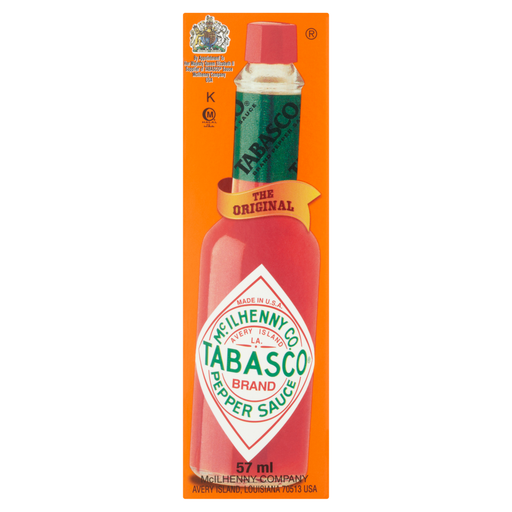
Why This Fits Their Persona: A compact option for UK shoppers who want one versatile hot pepper sauce for eggs, pizza, soups, meat and drinks without committing to a large bottle.
The 57ml size limits waste when you are still discovering your preferred heat and acidity. Its short ingredient list is easy to review.
Distilled vinegar, red pepper and salt; no refrigeration required according to the supplied product details.
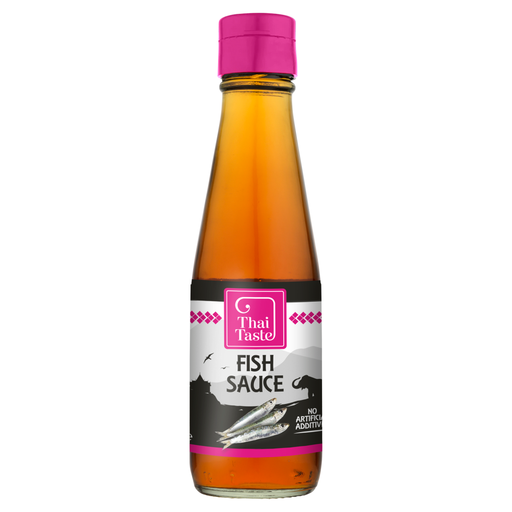
Why This Fits Their Persona: Suitable for cooks seeking a concentrated Thai seasoning to build depth in stir-fries, curries, soups and nam pla prik-style dipping sauces.
The ingredients identify anchovies, water, salt and sugar, making the fish-based profile clear before purchase.
Ready to use in a 200ml bottle; contains fish, so the allergen information is straightforward to check.
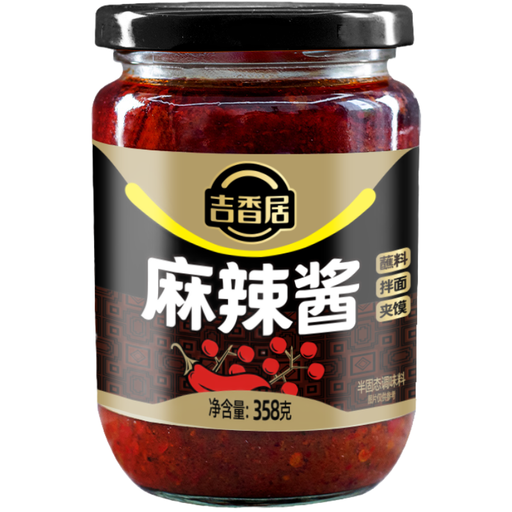
Why This Fits Their Persona: A practical match for Sichuan-style cooking, hot pot, noodles, stir-fries and diners who specifically want peppercorn aroma alongside chilli heat.
The listed 39% chilli and 2% Sichuan peppercorn content gives more useful buying information than a vague heat description.
358g format; ready to use in noodles, dips, stir-fries and hot pot. Contains soya and wheat.
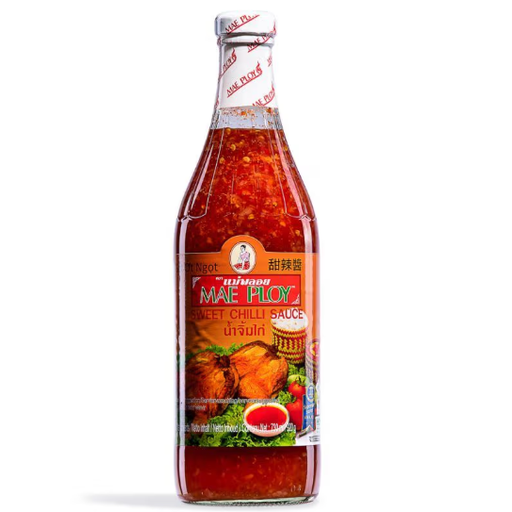
Why This Fits Their Persona: A larger bottle for households that regularly serve spring rolls, grilled foods, snacks or marinated dishes with a gentle sweet-and-spicy profile.
The 16% chilli content and ingredient list help set expectations; it is a sweet chilli condiment rather than an extreme hot sauce.
730ml format; suitable for dipping, glazing and marinades. Refrigerate after opening according to the supplied details.
We have compiled a complete, real-time list of products that fully satisfy these strict selection criteria and UK safety regulations.
Use concentrated products gradually. Add fish sauce, Sichuan sauce or Korean chilli paste in small quantities, then balance the dish with water, stock, citrus, sugar or oil where appropriate. Sweet chilli and tamarind sauce can work as dips, but also bring sweetness to marinades and dressings.
For products containing oil or solids, shake or stir before use so the flavour is distributed evenly. Avoid cross-contamination by using a clean spoon, especially with jars of chilli paste or satay sauce. Keep opened products sealed and refrigerated whenever the label instructs you to do so.
Vinegar-based hot pepper sauce, sweet chilli sauce, barbecue sauce and tamarind sauce are versatile starting points. They can be used with eggs, chips, grilled meat, wraps, rice, noodles and sandwiches. Choose a smaller bottle if you use sauces occasionally.
A chilli sauce is usually ready to pour or dip, while a chilli paste is more concentrated and often intended for cooking. Mae Pranom Thai Chilli Paste, for example, is described for frying in oil before adding other ingredients. Check the usage instructions rather than assuming every product can be served straight from the jar.
Some do and some do not. Several vinegar-based sauces can be stored in a cool, dry place before opening, whereas satay sauce, sweet chilli sauce and chilli pastes commonly require refrigeration after opening. Always prioritise the storage instructions printed on the packaging.