
24/7 Customer Support

Free returns

Same-day & Next-day Delivery

Quality Guaranteed

Unlock Your Welcome Offers: FREE Delivery | Up to 80% OFF | Free 30-day JoyPlus trial
Download the APP
Cooking international dishes at home can be rewarding, but choosing between unfamiliar bottles, pastes and spice blends is not always straightforward. A sauce may look substantial yet contain mostly sugar or oil; a seasoning labelled “hot” may offer heat without much depth; and a large jar can become wasteful if it needs using within weeks of opening.
This guide helps UK home cooks compare world food sauces and seasonings by ingredients, allergens, flavour purpose, storage and likely usage. The aim is simple: choose products that suit the dishes you actually prepare rather than paying for packaging or vague marketing language.
“Hot” does not necessarily mean complex. Chilli sauce can provide sharp heat, sweetness or acidity, while fermented products such as gochujang, chilli bean sauce and fish sauce contribute savoury depth as well. Check the ingredient list and intended use. A chilli-forward sauce may work as a finishing condiment, whereas a fermented paste is generally more suitable as a cooking base.
Many Asian sauces, BBQ sauces and ready-made cooking sauces are concentrated. For example, fish sauce, hotpot soup base and savoury seasoning powders can contain substantial salt, while sweet chilli, char siu and Korean BBQ sauces often contain notable sugar. Compare the per 100g or per 100ml nutrition panel, and use strongly flavoured products in small quantities where appropriate.
World food products may contain or handle soy, wheat, fish, crustaceans, peanuts, sesame, mustard, celery or milk. Always check the latest packaging, particularly when buying satay sauce, fish sauce, shrimp paste or soy-based Chinese sauces.
Storage instructions also vary. Some products need refrigeration after opening, while dry spice blends usually require a cool, dry cupboard. A large bottle is not automatically better value if its flavour declines before you use it.
Ingredients are listed by weight, so the first few items reveal the product’s main character. Sugar near the beginning suggests a sweeter sauce, while anchovies, fermented beans, shrimp or chilli near the top indicate a more concentrated savoury or spicy profile.
Consider whether you want:
Choose smaller packs when trying a strong flavour for the first time. A 35g dumpling seasoning suits occasional batches, while a 730ml sweet chilli sauce may be practical for households that regularly prepare stir-fries, spring rolls or marinades.
Before purchasing, confirm:
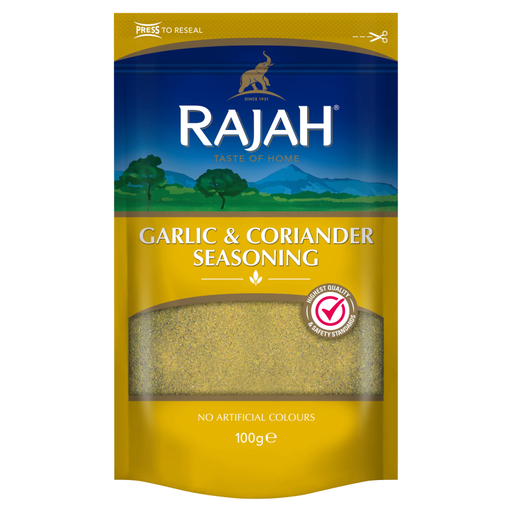
Why This Fits Their Persona: A resealable 100g blend gives new cooks an accessible way to add garlic and coriander flavour to rice, vegetables, meat and stews without buying multiple individual spices.
The ingredient list makes the blend’s main components clear, while the resealable format helps protect freshness between uses.
Contains dried garlic and dried coriander; suitable for vegetarian and vegan diets according to the supplied product information.
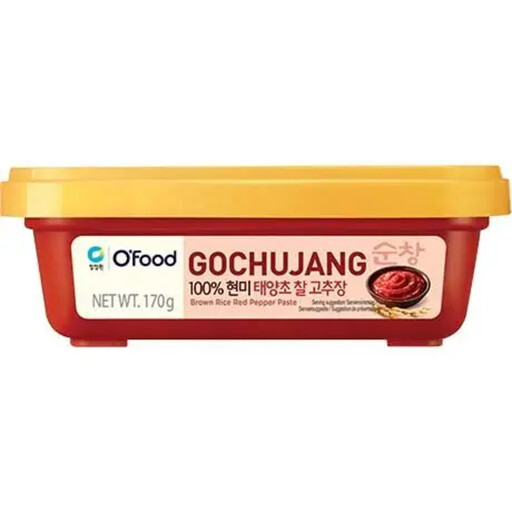
Why This Fits Their Persona: Cooks seeking a Korean-style pantry staple can use this fermented chilli paste in bibimbap, tteokbokki, stews, stir-fries and marinades.
It is a paste with clearly listed chilli, soybean and wheat ingredients, rather than an unspecified “spicy” sauce with no obvious cooking role.
Ready to use; contains fermented soybean paste and red chilli powder; refrigerate after opening.
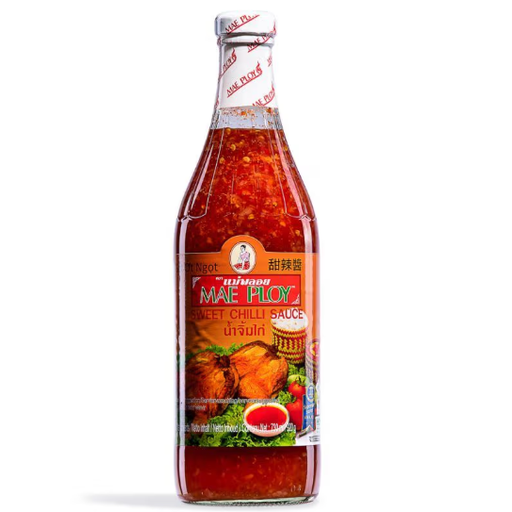
Why This Fits Their Persona: Frequent cooks, family households and hosts can use a larger bottle for dipping, glazing, stir-fries and marinades.
Its stated uses cover dipping, glazing and marinading, so the larger format is less likely to be limited to one recipe.
Contains 16% chilli and garlic; supplied product information recommends refrigeration after opening and use within 4–6 weeks for optimal freshness.

Why This Fits Their Persona: BBQ users can apply one sauce as a marinade, glaze or dip for beef, other meats and vegetables.
The product has defined applications and a 500g jar, making its capacity easier to assess than a sauce marketed only through flavour adjectives.
Contains soy and wheat; suitable for marinating, glazing and dipping; refrigerate after opening and use within the stated period.
We have compiled a complete, real-time list of products that fully satisfy these strict selection criteria and UK safety regulations.
A versatile starting point could be a sweet chilli sauce, fish sauce, soy-based cooking sauce or garlic and coriander seasoning. Choose according to the dishes you make most often, and check allergen and storage information before adding several products to your basket.
There is no single lifespan. Dry spice blends generally need to be kept sealed in a cool, dry cupboard, while sauces and pastes may require refrigeration. Follow the product label rather than relying on appearance alone. Discard products showing mould, unusual odour, damaged seals or significant changes in texture.
The cost per meal depends on concentration and portion size. A fish sauce, shrimp paste or chilli bean sauce is usually used sparingly, while a ready-to-use BBQ or satay sauce may be applied more generously. Compare pack size, recommended usage and storage life—not just the shelf price—when judging value.