
24/7 Customer Support

Free returns

Same-day & Next-day Delivery

Quality Guaranteed

Unlock Your Welcome Offers: FREE Delivery | Up to 80% OFF | Free 30-day JoyPlus trial
Download the APP
Buying world food sauces and condiments can turn a simple midweek meal into something more interesting, but the wrong bottle may end up forgotten at the back of the cupboard. UK shoppers often compare products by attractive packaging, heat descriptions or claims of “authentic” flavour, without checking how the sauce will actually be used.
This guide explains the practical details worth checking before buying Asian sauces, Thai sauces, Japanese sauces, Korean chilli paste, sriracha sauce, peri-peri sauce, jerk sauce and other international ingredients.
A high chilli rating can attract spice lovers, but heat alone does not guarantee a sauce will suit everyday cooking. A ghost chilli sauce may be useful in tiny quantities, while a milder peri-peri sauce or sambal oelek may be easier to use across chips, noodles, marinades and sandwiches.
Look for the flavour base as well as the chilli: garlic, vinegar, citrus, fermented ingredients, herbs, sesame or soy can make a greater difference to a finished dish than heat level alone.
Some cooking sauces and chilli pastes are concentrated products intended to be diluted, fried or cooked thoroughly. Mae Pranom Sukiyaki Sauce Cantonese, for example, is described as a concentrated sauce requiring dilution with water or dashi stock. Mae Pranom Thai Chilli Paste also includes cooking instructions to fry one to two tablespoons in oil until fragrant.
Check the usage instructions before using a product as a dipping sauce or dressing. This avoids an overly salty, sweet or intense result.
International condiments can contain soy, wheat, sesame, mustard, crustaceans, molluscs, peanuts or other nuts. Recipes and formulations may vary, so always check the current packaging rather than relying solely on a product image or previous purchase.
Storage also affects value. Many opened sauces require refrigeration and should be used within a stated period. For example, Perinaise should be refrigerated below 4°C and used within three weeks once opened, while several bottled sauces advise refrigeration after opening.
Identify the main job you want the product to perform:
A product labelled as a marinade may be sweeter or saltier than a table condiment, so it may need balancing with water, stock, citrus or other ingredients.
For vegetarian or vegan shoppers, do not assume a product is suitable because it is plant-based in appearance. Mae Pranom Thai Chilli Paste contains shrimp paste, and PORKWAN Seasoning Sauce contains prawn and peanut. By contrast, Malay Taste Sambal Oelek is listed as suitable for vegetarians and vegans, while Flying Goose Sriracha Ghost Chilli Sauce is also described as suitable for vegetarians and vegans.
Check for:
Sauces are usually used in small quantities, but nutrition labels still help you compare products. Healthy Boy Oyster Sauce lists 10.4g salt per 100g, while Kikkoman Teriyaki Marinade lists 10g salt per 100ml. These products can provide substantial flavour with a small spoonful, so use them as seasonings rather than pouring freely.
Sweet sauces also vary considerably. Stokes Original BBQ Sauce contains 26g sugars per 100g, and Mae Pranom Sukiyaki Sauce Cantonese lists 55g sugars per 100g. Consider whether you need a glaze, a dipping sauce or a savoury base before choosing a larger bottle.
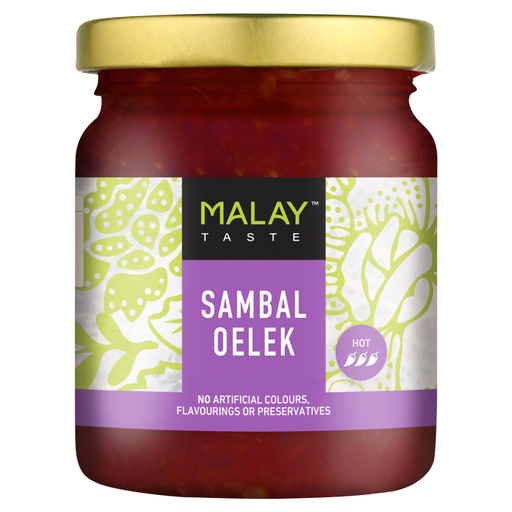
Why This Fits Their Persona: A compact jar gives new shoppers a straightforward way to add chilli and acidity to stir-fries, marinades or dips without committing to a large bottle.
It is listed as suitable for vegetarians and vegans, with clear guidance to refrigerate after opening and use within 30 days.
185g jar; suitable for spreading, mixing with mayonnaise or adding heat and acidity to dishes.
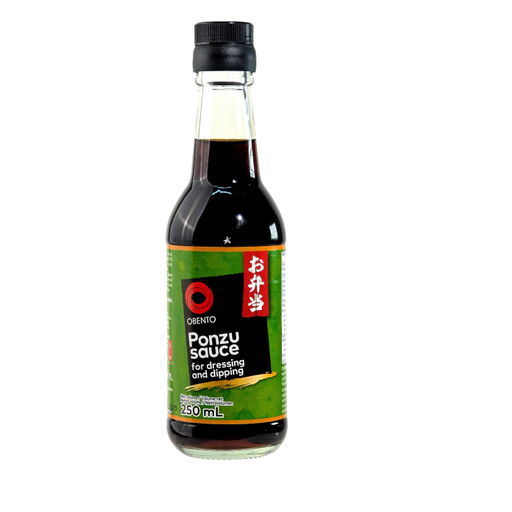
Why This Fits Their Persona: Suitable for cooks who want a Japanese-style citrus and soy condiment for tofu, seafood, noodles, salads and grilled food.
Its intended uses are clearly defined, and it can be diluted with water or mirin when a gentler flavour is preferred.
250ml bottle; combines soy seasoning with lemon and grapefruit juice; useful as a dip, dressing or marinade.
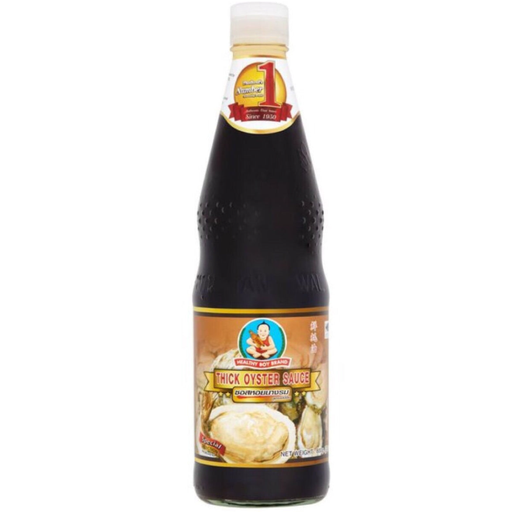
Why This Fits Their Persona: The larger format suits regular stir-fry, soup, marinade and braising users who cook Asian-inspired meals frequently.
The bottle size matches frequent use, while the ingredient and allergen information makes the presence of oyster extract clear.
850g quantity; thick consistency; listed as halal, gluten-free and suitable for vegetarians, subject to label checks.

Why This Fits Their Persona: Designed for shoppers who specifically want a concentrated, extremely hot chilli sauce for curries, stir-fries, soups and marinades.
The 100ml size encourages controlled use, and the product information explicitly warns that it is extremely hot.
45% chilli listed in the ingredients; suitable for vegetarians and vegans; a little can add substantial heat.
We have compiled a complete, real-time list of products that fully satisfy these strict selection criteria and UK safety regulations.
Keep a few complementary flavours rather than buying several similar bottles. For example, combine teriyaki marinade with vegetables or tofu, use ponzu sauce with cold noodles or dumplings, and add oyster sauce to a quick vegetable stir-fry. Korean chilli paste can enrich bibimbap or stews, while jerk sauce works as a marinade for chicken, fish or roasted vegetables.
For a milder table condiment, Nando’s Perinaise Peri-Peri Mayo Mild combines creamy mayonnaise with peri-peri seasoning. It can be used in sandwiches, salads and as a dip, but it contains egg and mustard, so check the allergen information first.
Start with one versatile product suited to your usual meals, such as sambal oelek for adjustable heat, ponzu for dipping and dressing or teriyaki marinade for grilled and stir-fried ingredients. Buying one small or medium bottle first can reduce waste while you learn your preferred flavour profile.
There is no single lifespan for all cooking sauces and condiments. Follow the bottle or jar instructions, refrigerate products where required and use clean utensils. Opened examples in this range advise periods such as three weeks, 30 days, six weeks or two months, depending on the product.
Some are, but recipes differ. Check the ingredients and allergen statement every time. Products containing oyster, shrimp, prawn, fish, egg or other animal-derived ingredients are not suitable for vegan shoppers, even when the product is marketed as a general chilli or seasoning sauce.