
24/7 Customer Support

Free returns

Same-day & Next-day Delivery

Quality Guaranteed

Unlock Your Welcome Offers: FREE Delivery | Up to 80% OFF | Free 30-day JoyPlus trial
Download the APP
Cooking international dishes at home can be convenient, but choosing between sauces, pastes and seasoning mixes is not always straightforward. A colourful label may promise restaurant-style results, while the actual product is too salty, unsuitable for your recipe or difficult to store after opening.
For UK shoppers, the most common buying pitfalls are:
A practical buying decision starts with the label, intended use and portion size rather than packaging claims.
Choose a product based on how you plan to cook. Ready-to-use sauces are suitable for dipping, glazing, stir-fries or adding towards the end of cooking. Curry pastes are concentrated flavour bases that usually need coconut milk, stock or oil. Dry seasoning mixes are useful for rubs, marinades and quick meals, but often require additional liquid.
For example, a Thai curry paste may need gentle frying before coconut milk is added, while a teriyaki marinade can be brushed onto food during grilling. A Chinese seasoning may work across noodles, fried rice, soup and stir-fries, but the amount should be adjusted carefully.
UK food labels should clearly identify relevant allergens, but recipes can vary between products in the same category. Check the ingredients every time, particularly when buying:
If you are cooking for guests, retain the packaging until the meal has been served. This makes it easier to answer questions about ingredients and preparation.
Concentrated products are intended to be used in small quantities. For example, the supplied nutrition information lists Nan De Seasoning for Cold Dishes at 48.80g of salt per 100g, while Bear Coming New Orleans Style Wings Marinade lists 16,800mg of sodium per 100g. These products can add flavour efficiently, but you should use them sparingly and avoid adding extra salt automatically.
Also check whether the product needs refrigeration after opening. Teriyaki marinades and bottled sauces commonly require chilling and prompt consumption once opened. Dry seasoning mixes generally need a cool, dry place and a tightly sealed pack to protect their aroma and texture.
For fast weekday meals: Ready-to-use teriyaki marinade, Korean BBQ sauce or Chinese seasoning can reduce preparation time for noodles, rice, vegetables, tofu, fish or meat.
For slow-cooked dishes: Thai curry pastes and braising sauces provide a concentrated base. Massaman curry paste, Panang curry paste and Chinese braised pork seasoning are designed to be combined with liquid and cooked.
For grilling and barbecues: Look for a product that works as either a marinade, glaze or dipping sauce. Korean BBQ sauce, chipotle sauce and Caribbean jerk seasoning suit different flavour profiles, so check the recommended protein and heat level.
For dipping and sharing: Satay sauce is suitable for skewers, grilled foods and snacks, while Japanese-style yakiniku sauce can be served with grilled meat, rice bowls or noodles.
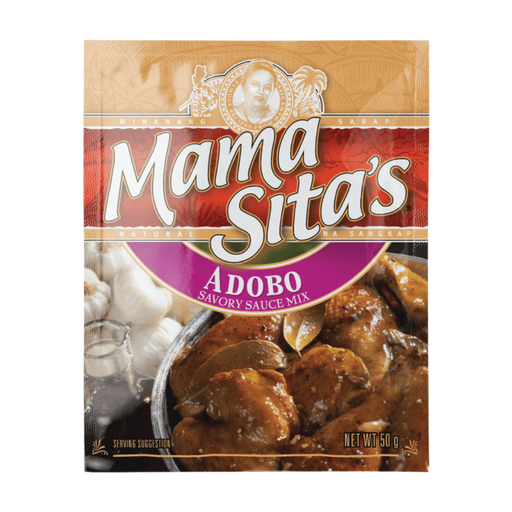
Why This Fits Their Persona: A compact dry mix for shoppers trying Filipino-style cooking without buying several separate spices. It can be dissolved in water and used with meat for a marinated, simmered dish.
The cooking instructions make clear that the mix is used as part of a cooked dish rather than treated as a finished dipping sauce.
50g pack; garlic, sugar, salt and spices in one blend; suitable for a marinade and thickened sauce.
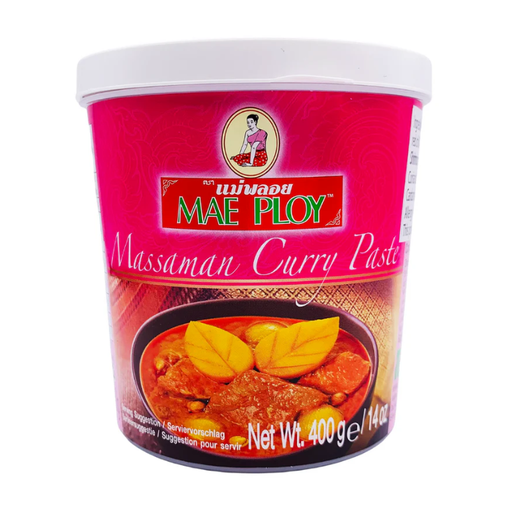
Why This Fits Their Persona: A larger format for cooks who regularly prepare fragrant Thai curries with beef, lamb, chicken or vegetables.
The instructions specify that it is a concentrated base requiring cooking with oil and coconut milk, helping prevent incorrect ready-to-eat use.
400g jar; includes lemongrass, galangal, coriander, cumin and cardamom; made in Thailand.
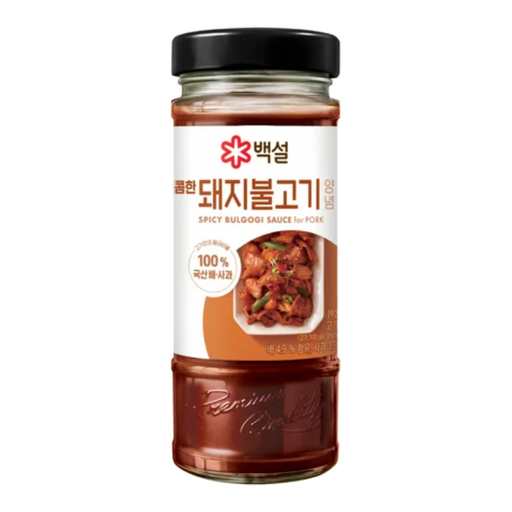
Why This Fits Their Persona: Designed for frequent BBQ cooks preparing pork belly, ribs, chops or stir-fries for family meals and gatherings.
Its stated use is specific to pork BBQ and glazing, making it less likely to be bought for a dish with a mismatched flavour profile.
500g bottle; contains soy, wheat and sesame; suitable as a marinade, glaze or stir-fry sauce.
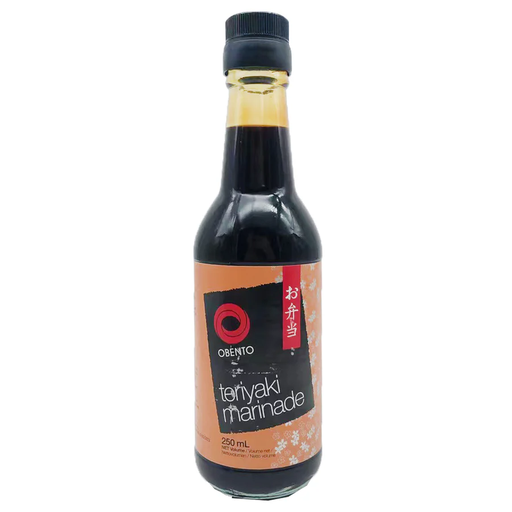
Why This Fits Their Persona: A straightforward option for chicken, salmon, tofu, vegetables and stir-fries when preparation time is limited.
The label gives a minimum marinade time and explains that the sauce can also be brushed on during cooking.
Ready to use; suitable for meat, fish and tofu; refrigeration is required after opening.
We have compiled a complete, real-time list of products that fully satisfy these strict selection criteria and UK safety regulations.
A marinade is usually a liquid sauce used to coat food before cooking, while a seasoning mix is a dry blend that may be rubbed directly onto food or dissolved in water, oil or another liquid. Always follow the product instructions, particularly where raw meat or seafood is involved.
There is no single lifespan for all world food sauces and seasonings. Check the label and storage instructions. Bottled products may need refrigeration and use within a stated period, while dry mixes should remain sealed in a cool, dry cupboard. Discard any product with an unusual smell, mould, damaged packaging or significant texture change.
Use a smaller quantity of concentrated sauce or seasoning, then build flavour with unsalted vegetables, rice, noodles, herbs, citrus or aromatics. Avoid adding extra soy sauce or table salt until the dish has been tasted. This is particularly important with seasoning mixes and savoury Caribbean, Chinese or Asian sauces.