
24/7 Customer Support

Free returns

Same-day & Next-day Delivery

Quality Guaranteed

Unlock Your Welcome Offers: FREE Delivery | Up to 80% OFF | Free 30-day JoyPlus trial
Download the APP
As a Joybuy Product Recommendation Officer, my role is to help you navigate the crowded shelves of world food sauces and condiments. Bringing the authentic tastes of Chinese, Asian and other global cuisines into your UK kitchen should be an exciting journey, not a frustrating one. Yet, many home cooks find themselves with a cupboard full of bottles that don't deliver the promised flavour.
This guide cuts through the clutter, highlighting common purchasing mistakes and explaining what to look for, so your next stir-fry, hot pot or marinade tastes just right.
Before stocking your pantry, be aware of these frequent traps that can lead to disappointing meals and wasted money.
plant-based condiments a careful exercise in label-reading.To avoid the pitfalls above, focus on these two core parameters. Getting these right is the foundation of authentic home cooking.
Understanding the difference between these two staples is crucial when you buy soy sauce online or in-store. They serve entirely different purposes in Chinese cooking sauces.
The ingredients list is your most reliable guide. For authentic seasonings, look for primary ingredients that reflect the sauce's name. A quality Sichuan chilli sauce should have chillies and Sichuan peppercorns as main components, not just sugar and vinegar.
For those seeking vegetarian oyster sauce or other plant-based condiments, this step is non-negotiable. Look for clear "suitable for vegans" labelling. Mushroom-based sauces are a popular alternative to oyster sauce, but always check the full ingredient list for hidden items like oyster extract (molluscs). Similarly, a vegan sriracha mayo should be free from eggs.
Here are a few recommendations matched to different types of home cooks, helping you choose with confidence.
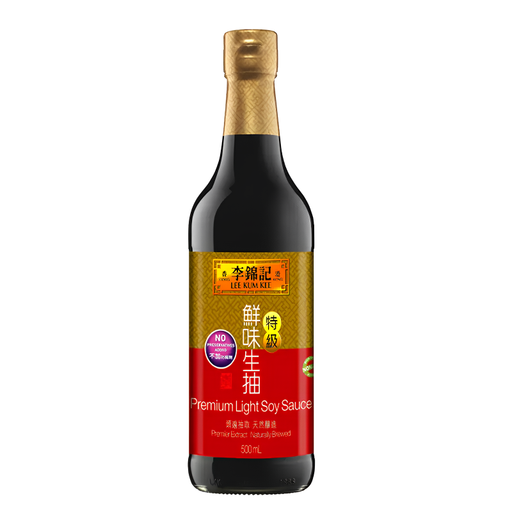
Why This Fits Their Persona: For anyone starting their journey into authentic Chinese cooking, a reliable light soy sauce is the most essential building block. This one provides the savoury (umami) base for countless stir-fries, marinades and dipping sauces.
This is a classic light soy sauce, designed specifically for seasoning. It prevents the common mistake of using a dark soy sauce and ending up with a dish that is too dark and oddly sweet.
Brewed from non-GMO defatted soybeans for a pronounced umami flavour. It's a versatile kitchen staple from a trusted brand, ideal for everyday cooking.
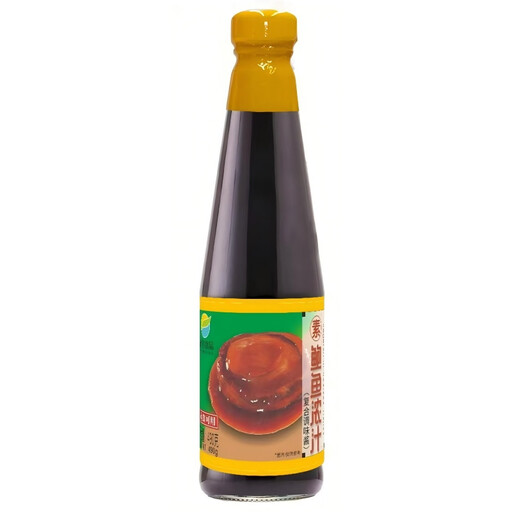
Why This Fits Their Persona: Perfect for vegans, vegetarians or anyone looking to reduce animal products without sacrificing flavour. This sauce mimics the rich, savoury and slightly sweet profile of traditional abalone or oyster sauce, making it a brilliant all-purpose seasoning.
It directly solves the "hidden ingredients" problem. The formula is 100% plant-based, deriving its umami from seaweed, kelp and mushrooms, ensuring no animal by-products are present.
Highly versatile: use it as a direct replacement for oyster sauce in stir-fries, as a glaze for vegetables, or to create rich broths and marinades.
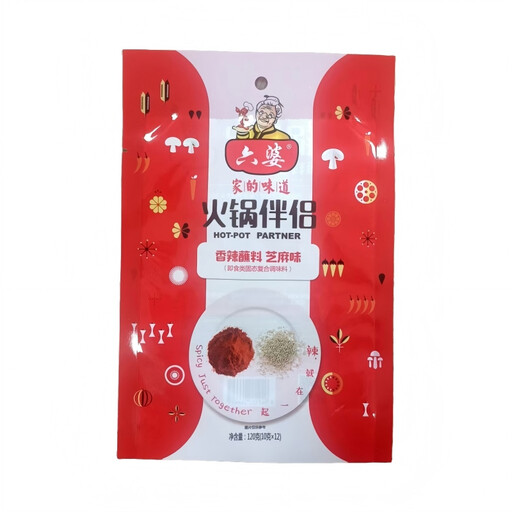
Why This Fits Their Persona: For those who love hosting hot pot nights or enjoy the fiery flavours of Sichuan, a dedicated dipping sauce is a must. This dry mix provides the authentic spicy and nutty base for a perfect hot pot experience.
This avoids the "authenticity illusion" by using a high percentage of chilli (50%) and sesame (20%), delivering a genuine Sichuan flavour profile rather than a generic, sugary "hot" sauce.
It's a dual-purpose product. Use it as a dry dip for barbecue and hot pot or mix it with hot oil, vinegar or soy sauce to create a custom wet dipping sauce.
We have compiled a complete, real-time list of products that fully satisfy these strict selection criteria and UK safety regulations.
1. What is the real difference between light and dark soy sauce? Light soy sauce is for flavour. It's saltier and thinner, used to add a savoury (umami) taste to dishes like stir-fries and marinades. Dark soy sauce is for colour. It's thicker, less salty and slightly sweet, used to give dishes like braised meats a rich, dark, caramelised appearance. They are not interchangeable.
2. How should I store my Asian condiments after opening? Most sauces, especially those containing soy, vinegar or high amounts of salt, are quite stable. However, for the longest life and freshest flavour, it is generally recommended to store them in the refrigerator after opening. Always check the storage instructions on the bottle, as some, like sesame oil, are better kept in a cool, dark cupboard.
3. Are there good vegan alternatives to popular Asian sauces? Yes, absolutely. The market for plant-based condiments has grown significantly. You can find excellent vegetarian oyster sauce made from mushrooms, which provides a similar umami depth. There are also many brands offering vegan sriracha mayo, and most pure chilli oils, fermented bean pastes and quality soy sauces are naturally vegan—but always check the label for hidden additives like fish or shrimp paste.