
24/7 Customer Support

Free returns

Same-day & Next-day Delivery

Quality Guaranteed

Unlock Your Welcome Offers: FREE Delivery | Up to 80% OFF | Free 30-day JoyPlus trial
Download the APP
Choosing world food sauces should make everyday cooking more varied, not leave you with half-used bottles that do not suit your meals. UK shoppers can now find hot sauce, chilli sauce, Asian sauces, Thai sauces, Korean sauces, oyster sauce and peri peri sauce in many different formats. The challenge is separating useful pantry staples from products that are poorly matched to your taste, cooking style or storage space.
A prominent “extra hot” description does not tell you whether a sauce will work with your food. Some sauces are designed to add a few drops of heat, while others include garlic, vinegar, citrus, sugar or fermented ingredients that contribute a fuller flavour.
For example, a Caribbean-style pepper sauce may suit stews and grilled meat, whereas a delicate seafood dipping sauce can be overwhelmed by intense chilli. Consider whether you want a finishing sauce, a cooking sauce or a marinade before choosing the bottle.
A 50–150ml bottle can be practical if you are trying a new flavour or use sauce sparingly. Larger 500–850g bottles may offer better value for families, restaurants, cafés and caterers, but only if the sauce will be used regularly. Sweet chilli sauce and oyster sauce are often used by the tablespoon, while concentrated hot sauces may only require a few drops.
The word “authentic” does not explain the ingredients, allergens, origin, flavour balance or storage requirements. Check the ingredient list, nutrition panel and country of origin where provided. A sauce produced in Thailand, Korea, Malaysia, Mexico or South Africa may offer a useful regional profile, but the most suitable product still depends on how you plan to use it.
Look for the main pepper or chilli ingredient and its position in the ingredient list. Scotch bonnet and habanero sauces are generally intended for substantial heat, while vinegar-based pepper sauces may be used in small amounts. Mild sauces, such as an original Mexican-style hot sauce, can be more flexible for eggs, pizza, soups and tacos.
Do not judge heat from colour alone. A bright red sweet chilli sauce may be relatively gentle but high in sugar, while a darker fermented Korean sauce can combine chilli with savoury and sweet notes.
Match the consistency to the task:
Texture also affects coverage. A thick sauce clings to rice cakes, meat or vegetables, while a thin sauce spreads quickly through soups and dressings.
Always read the packaging supplied with the product, particularly if you have allergies or are buying for a shared kitchen. Common ingredients requiring attention include soybeans, wheat, sesame, peanuts, crustaceans, molluscs and mustard.
Several sauces in this category are relatively high in salt or sugar because they are concentrated condiments. Use the nutrition panel to compare products on the same basis, usually per 100g or 100ml.
Storage instructions matter too. Many unopened bottles can be stored in a cool, dry cupboard, but opened sauces commonly require refrigeration. Follow the label’s guidance and use clean utensils to reduce contamination. Oil separation in some sauces is normal, so shaking or stirring may be required before use.
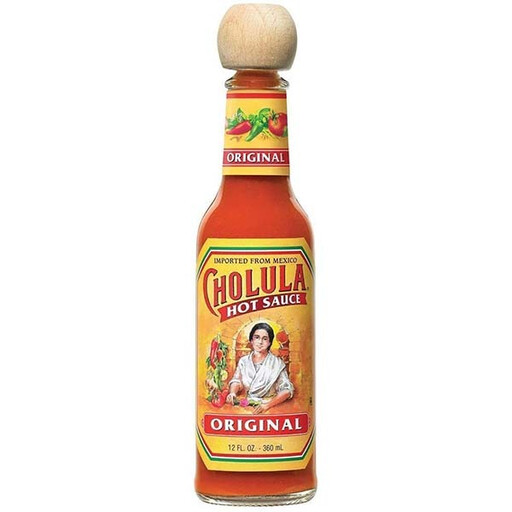
Why This Fits Their Persona: A compact option for UK households exploring Mexican-inspired flavours without committing to a large bottle. Its pourable format suits eggs, tacos, pizza, soups and burgers.
The 150ml size limits waste when you are testing a new hot sauce, while the listed arbol and piquin peppers indicate a pepper-led flavour rather than heat alone.
150ml bottle; suitable for drizzling or mixing into marinades, soups and dressings.

Why This Fits Their Persona: Suitable for cooks who want a Thai-style seasoning with a defined savoury profile for stir-fries, marinades and braised dishes.
The product lists 25% oyster extract, making its primary flavour direction clear. The 300ml format is more manageable than a catering bottle for occasional home cooking.
Oyster extract listed at 25%; works as a seasoning, sauce base or dipping sauce.
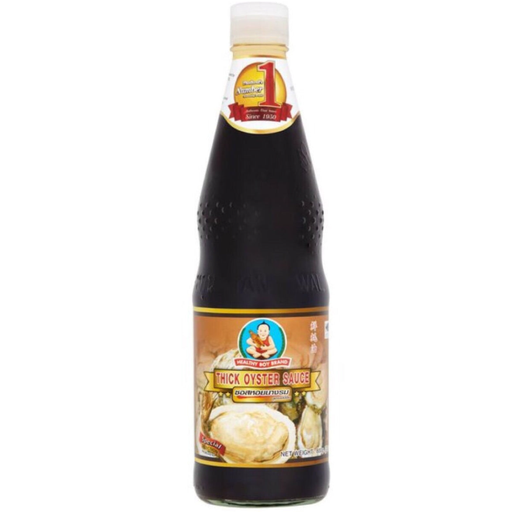
Why This Fits Their Persona: The larger format suits busy family kitchens, restaurants, cafés and caterers that regularly prepare stir-fries, soups, meat, seafood and vegetable dishes.
The 850g quantity is clearly suited to frequent use rather than occasional experimentation. The label identifies oyster extract and gives refrigeration guidance after opening.
850g bottle; listed as halal and gluten free; suitable for cooking and dipping.
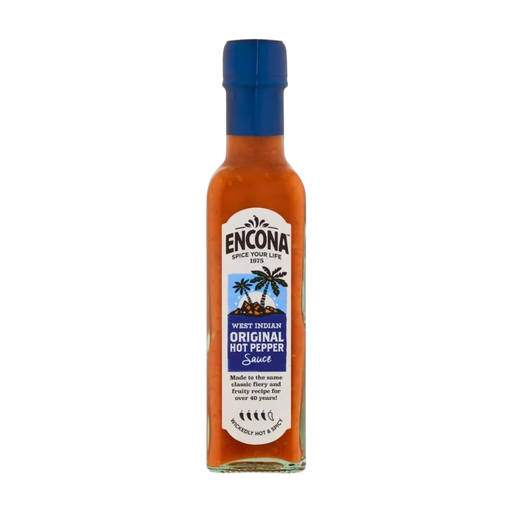
Why This Fits Their Persona: A practical choice for chilli lovers who want a Caribbean-inspired sauce for grilled meats, stews, soups, dips and marinades.
The ingredient list specifies Scotch Bonnet peppers at 35%, and the product information identifies it as very hot, helping buyers set realistic expectations.
Scotch Bonnet-based recipe; compact 142ml bottle; suitable for controlled portions.
We have compiled a complete, real-time list of products that fully satisfy these strict selection criteria and UK safety regulations.
A small selection covering different functions is more practical than several similar hot sauces. Consider one mild hot sauce, one sweet chilli or dipping sauce, and one cooking sauce such as oyster sauce or gochujang. This gives you options for snacks, marinades, stir-fries and everyday meals.
Follow the individual label. Many products recommend refrigeration after opening, including oyster sauces, sweet chilli sauces and several pepper sauces. Keep bottles tightly closed, avoid direct sunlight and use the stated period for consumption where one is provided.
Not automatically. Ingredients and manufacturing conditions vary. Check the current packaging for highlighted allergens, including soy, wheat, sesame, peanuts, mustard, fish and molluscs. If the information is unclear, do not rely on the product name alone.